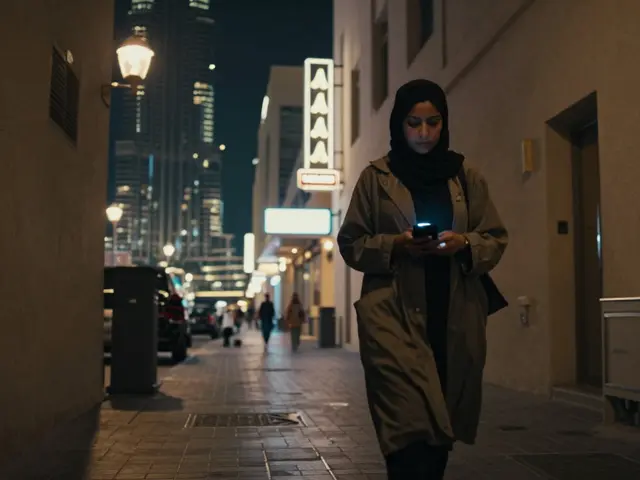
In Dubai, the underground sex industry operates in the shadows of strict laws and cultural norms. While prostitution is illegal, demand persists-especially among expats, tourists, and business travelers. One of the most overlooked factors shaping this hidden economy is language. Many women working in this space don’t speak Arabic fluently, and many clients don’t speak English well. This mismatch creates tension, misunderstandings, and even danger.
Who are the women working in Dubai’s escort scene?
Most women in Dubai’s informal sex industry come from countries like Ukraine, Russia, Nigeria, the Philippines, and Thailand. Many arrived on tourist or domestic worker visas and ended up in this line of work after financial hardship, deception, or exploitation. Their English skills vary. Some are fluent, others know just enough to get by. Few speak Arabic beyond basic phrases like "thank you" or "where is the bathroom."
This language gap affects everything-from how they advertise to how they negotiate prices. A Ukrainian woman might use Instagram to post photos with captions in broken English. A Nigerian woman might rely on a friend to message clients on WhatsApp. A Thai woman might not understand when a client says "I want something quiet," and ends up in a situation that feels unsafe because she didn’t catch the nuance.
How clients use language to manipulate
Some clients exploit language barriers intentionally. They use vague terms like "company," "tea," or "massage" to avoid direct references to sex. They might say, "I’ll pay extra for your time," without clarifying what "time" means. Women who don’t fully grasp these euphemisms risk agreeing to services they didn’t intend to offer-or worse, being trapped in situations they can’t escape.
One woman from the Philippines told a local NGO she once agreed to "just dinner" because the client said, "I only want to talk." When he tried to force her into bed, she didn’t know how to say "no" firmly in English. By the time she realized what was happening, he had already locked the door. She didn’t know how to call the police, didn’t trust anyone, and didn’t know who to turn to.
Communication breakdowns lead to violence
Language isn’t just about words-it’s about trust. When a client and a worker can’t clearly communicate boundaries, expectations, or warnings, things go wrong fast. A Russian woman once refused a client’s request for anal sex because she didn’t understand the term. He thought she was being difficult, not scared. He became angry, shoved her against the wall, and left without paying. She didn’t report it because she feared deportation.
Another case involved a Nigerian woman who didn’t know the word "condom." A client told her he "doesn’t use plastic." She thought he meant he didn’t like plastic bags. She agreed to sex without protection. She later found out she had contracted an STI. By then, she was too scared to go to a clinic.
How intermediaries fill the gap-sometimes dangerously
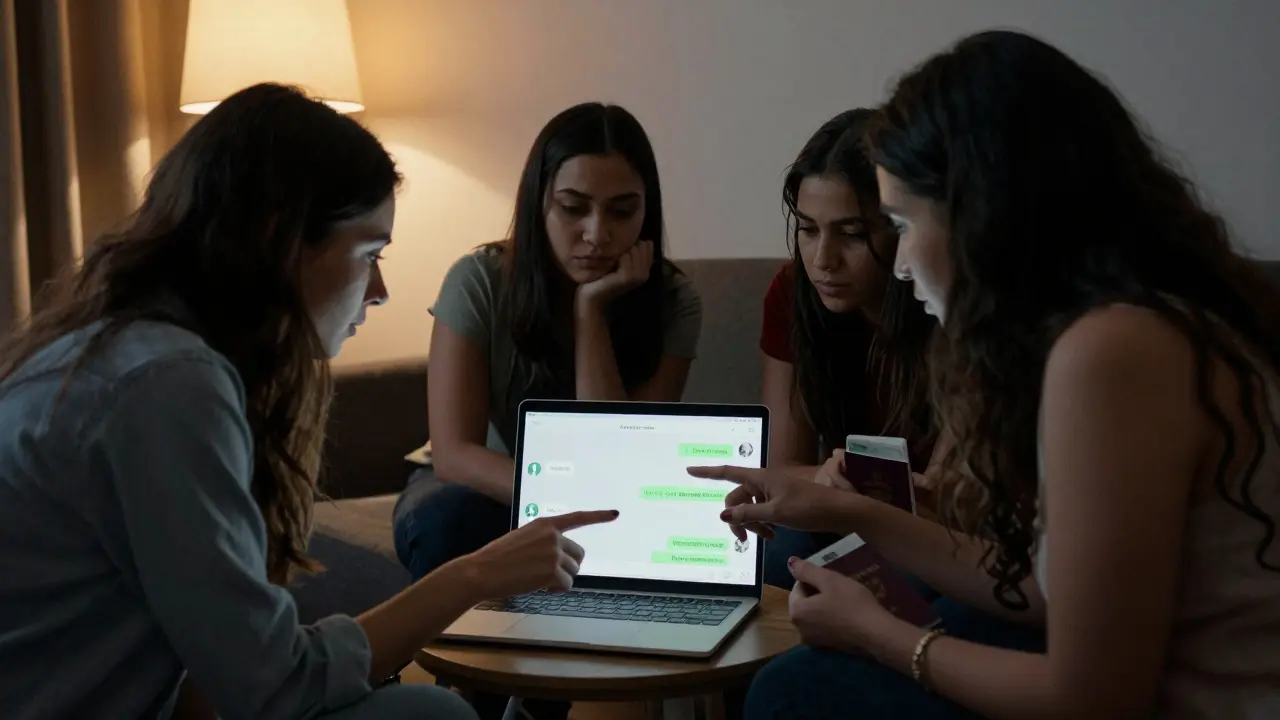
Many women rely on middlemen to handle communication. These are often other expats or locals who speak both English and Arabic. But they’re not translators-they’re profit-driven. Some take 50% of earnings. Others demand sex in exchange for "help." Some even record conversations to blackmail women later.
A woman from Moldova said her "manager" told her clients she was "100% clean" and "always on time." She didn’t know what "clean" meant in that context. She found out when a client accused her of lying and threatened to send her photos to her family. The manager disappeared after that.
Technology doesn’t fix the problem
Apps like Telegram and WhatsApp are used to arrange meetings. Translation tools like Google Translate are common. But they’re unreliable. A woman once used Google Translate to say, "I need a break." The app translated it as, "I want to sleep with you." The client showed up an hour early. She had to run out the back door.
Even voice calls are risky. Accents, background noise, and poor connections make it hard to hear. A client might say, "I’ll be there at 10," but the woman hears "I’ll be there at 1." She’s waiting when he arrives at 10 p.m.-and he’s already angry.
Why no one steps in to help
Dubai’s government doesn’t recognize this as a social issue. The police don’t investigate unless there’s a crime report-and most women won’t report anything. They fear arrest, deportation, or being labeled as criminals. NGOs that try to help are often shut down or labeled as "moral threats."
Even international organizations avoid the topic. The UN and ILO don’t publish data on sex workers in Dubai because the government won’t allow it. So no one knows how many women are affected. No one tracks how many misunderstandings lead to violence. No one tracks how many women leave the country after being scammed or abused.
What happens when women try to leave
Leaving isn’t easy. Many women are stuck in debt. Their "manager" took their passport. They owe money for rent, fake visas, or "training." Some are told they’ll be arrested if they leave. Others are scared their families will find out.
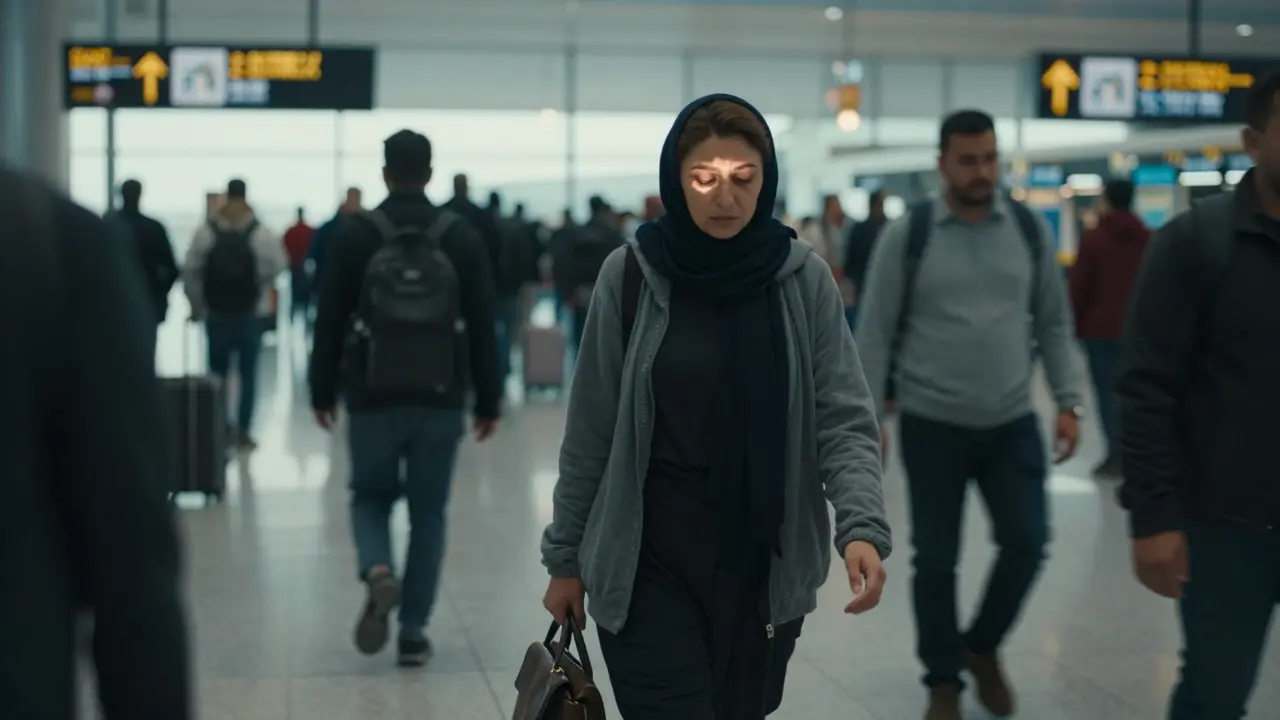
One woman from Kyrgyzstan managed to escape after six months. She saved $300 by refusing tips. She used a public library computer to find a flight back home. She didn’t tell anyone. She didn’t say goodbye. She just walked out one morning and took a taxi to the airport. She didn’t know how to say "I need help" in English. She didn’t need to. She just whispered, "I’m leaving," and boarded the plane.
Language isn’t just a barrier-it’s a weapon
In Dubai’s hidden sex economy, language isn’t just a problem to solve. It’s a tool used to control, confuse, and exploit. Women who don’t speak the dominant languages are made vulnerable by design. Clients rely on their confusion. Middlemen profit from their silence. Systems ignore their suffering because they can’t understand their stories.
There are no official numbers. No public records. No support systems. But the silence isn’t empty. It’s filled with fear, misunderstanding, and broken promises.
Are call girls in Dubai legal?
No, prostitution and sex work are illegal in Dubai under UAE federal law. Even private, consensual arrangements can lead to arrest, deportation, or jail time. Authorities rarely target clients, but workers-especially foreign women-are often detained during raids. The legal system doesn’t distinguish between voluntary work and trafficking, so most women face the same penalties.
Why don’t women report abuse in Dubai’s sex industry?
Most women fear deportation more than violence. They entered on tourist or domestic worker visas, which are often revoked if they’re linked to illegal activity. Even if they’re victims, police may treat them as offenders. Many also fear social shame, family backlash, or being blackmailed with photos or recordings. Without legal status or access to shelters, reporting feels like a death sentence.
Do translation apps help women stay safe?
Not reliably. Apps like Google Translate often misinterpret slang, context, or tone. Words like "company," "massage," or "time" can mean different things depending on the user. A woman might think she’s agreeing to a dinner date when the client expects sex. Voice translation is worse-accents, background noise, and delays make it useless in high-pressure moments. These tools create a false sense of security.
How do middlemen control women in this industry?
Middlemen often take passports, control communication, and demand high commissions-sometimes 50% or more of earnings. They use language as leverage: they’re the only ones who can talk to clients, book rooms, or handle payments. Some threaten to expose women to authorities or their families. Others demand sexual favors in exchange for "protection." Women who try to leave are often threatened with legal action or physical harm.
Is there any support for women trying to escape?
Very little. Local NGOs that once offered help have been shut down or pressured to stop. International groups like the ILO and UN Women avoid direct involvement because the UAE government blocks their access. Some embassies provide emergency flights, but only if the woman can prove she’s a victim of trafficking-which requires documentation most don’t have. Without legal status or money, escape is nearly impossible.