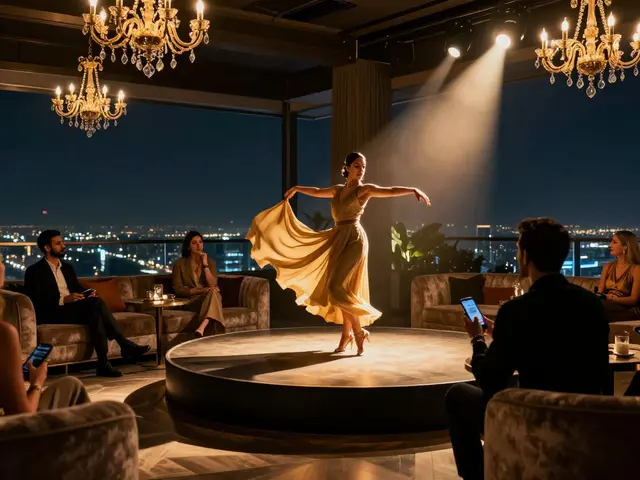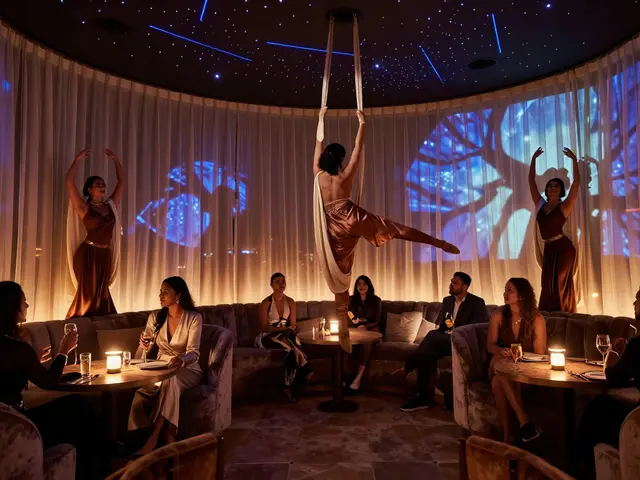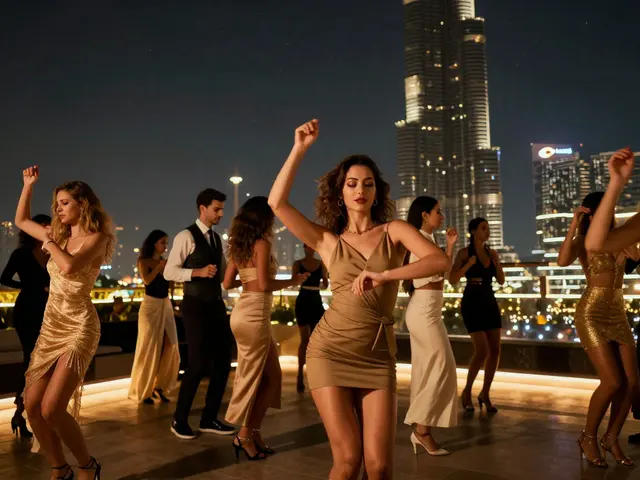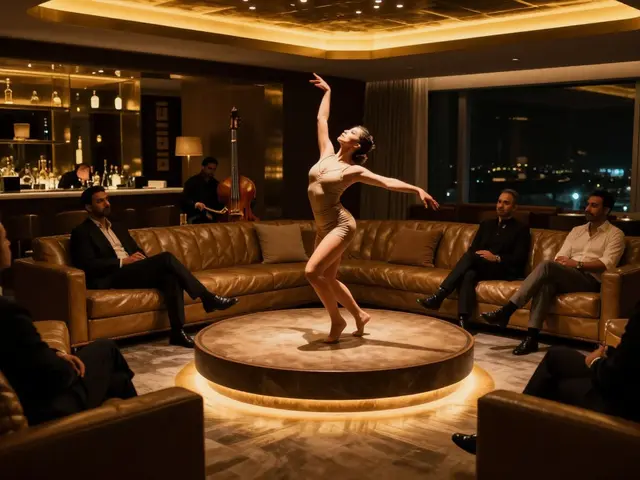
In Dubai, where public displays of sexuality are strictly regulated, strip clubs don’t exist in the traditional sense. There are no neon signs, no velvet ropes, no dancers on stages in front of paying crowds. But that doesn’t mean the demand isn’t there. Instead, the adult entertainment scene has adapted - quietly, cleverly, and mostly online. Social media is the invisible engine behind this underground network, turning private events into exclusive experiences and turning vague whispers into targeted invitations.
What You Won’t See on the Street
Dubai’s laws are clear: public nudity, sexual performance, and commercialized stripping are illegal under Federal Law No. 3 of 1987. The government enforces this strictly. Police raids on private venues happen. Fines can reach tens of thousands of dirhams. Visa cancellations are common for foreign workers caught involved. So how do clubs operate? They don’t operate as clubs. They operate as private members-only lounges, luxury penthouse parties, or VIP events disguised as "art exhibitions," "live music nights," or "exclusive cocktail experiences."
These aren’t random gatherings. They’re carefully curated. And social media is how they find their audience.
The Hidden Algorithm of Exclusivity
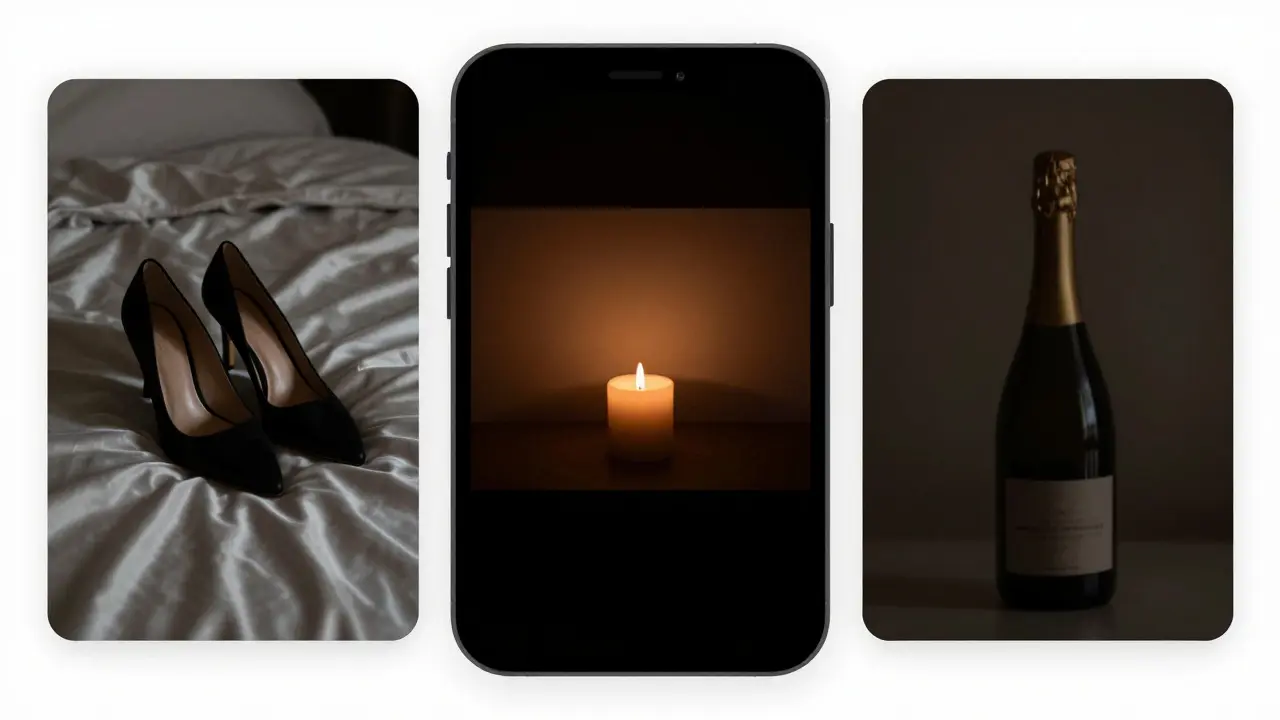
Instagram, WhatsApp, and Telegram aren’t just tools for sharing photos - they’re the primary marketing channels for Dubai’s adult nightlife. A typical post might show a dimly lit room with silk drapes, a single glass of champagne on a marble table, and a blurred figure in a backless dress. No text. No location. Just a caption: "DM for details."
These posts aren’t meant for the public. They’re meant for people who already know what to look for. The algorithm doesn’t push them to random users. Instead, they spread through networks: someone tags a friend, a friend shares it with a colleague, and a colleague passes it to someone who’s been asking about "private events."
It’s not advertising. It’s networking. And it works because it feels exclusive.
How the System Works
The process is simple:
- A host - often a model, dancer, or former performer - creates a private Instagram account with no public profile picture and minimal bio.
- They post 2-3 times a week: a photo of a champagne bottle, a pair of heels on a bed, a candlelit room with no faces.
- Each post includes a hidden hashtag like #DubaiNights2026 or #PrivateByRequest - tags that aren’t searchable, but known within closed circles.
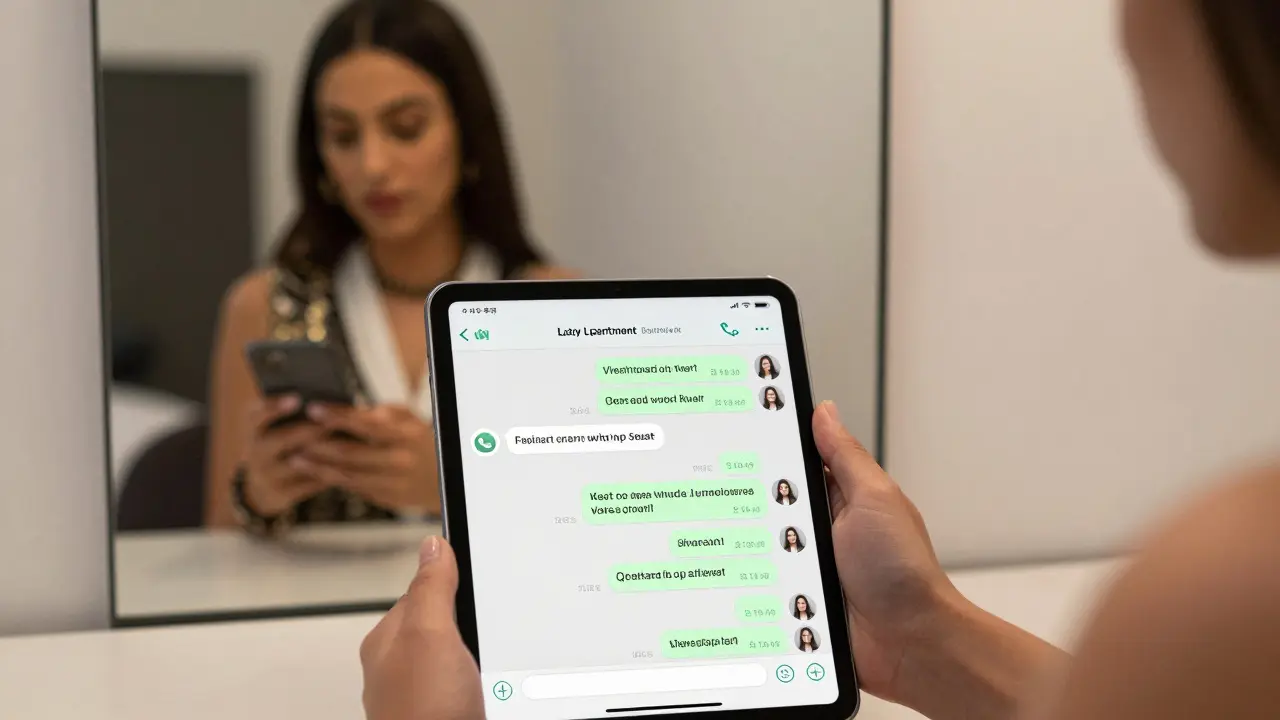
- Interested users DM the account. No public replies. No confirmation. Just a private chat.
- If the user passes a basic vetting check (age, location, references), they’re added to a WhatsApp group.
- The group sends event details: date, time, address (often a luxury apartment in Jumeirah or Dubai Marina), dress code, and price - usually between 1,000 and 3,000 AED per person.
There’s no website. No booking portal. No reviews. Just word-of-mouth, amplified by social media.
Who’s Behind the Scenes
These events aren’t run by organized crime. They’re managed by former dancers, expat event planners, and local entrepreneurs who understand the boundaries of the law. Many are women - often Eastern European, Latin American, or Southeast Asian - who left traditional modeling or entertainment jobs and built their own networks.
They don’t call themselves "club owners." They’re "curators," "hosts," or "experience designers." Their Instagram bios say things like: "Creating unforgettable evenings for discerning guests."
They use tools like Canva to design minimalist invites. They hire photographers to capture the ambiance - not the people. They pay for boosted posts on Instagram to reach users who follow luxury travel accounts, high-end fashion pages, or expat lifestyle influencers.
The Role of Social Media: More Than Just Ads
Social media doesn’t just advertise these events - it builds trust.
When you’re invited to a private penthouse in Dubai, you’re not just paying for a show. You’re paying for safety, discretion, and social proof. That’s why every event has a "past guest" photo - blurred, out of focus, never named - posted on Instagram with a caption like: "Last week’s unforgettable night."
These photos aren’t proof of the event. They’re proof that others have been there. And that’s enough.
Platforms like TikTok and YouTube are avoided entirely. Too public. Too traceable. But Instagram? It’s perfect. It’s visual. It’s private. It’s built for curated storytelling.
Why It’s Growing
Dubai’s population is over 3.5 million, and nearly 80% are expats. Many are young, single professionals with disposable income and curiosity. They’re not looking for public strip clubs. They’re looking for something different - something that feels personal, risky, and just out of reach.
Social media gives them that. It turns desire into a game. You don’t find the event. You earn access.
There’s also a growing number of wealthy locals - men and women - who use these events to entertain guests or explore personal boundaries without public exposure. For them, discretion isn’t a feature - it’s the entire point.
The Risks
This system is fragile. One DM leak. One screenshot. One angry spouse. That’s all it takes for police to trace an event back to a host.
There have been arrests. In 2024, a Dubai-based host was detained after a guest posted a photo with location tags. The police traced the IP address of the WhatsApp group. The host lost her visa. Her accounts were shut down. Her network collapsed.
But within weeks, another host started up. Same name. Same aesthetic. Same strategy.
It’s a cat-and-mouse game. And social media gives the players the upper hand.
What This Says About Dubai
Dubai doesn’t ban desire. It bans public expression of it. Social media fills that gap. It allows people to explore what’s forbidden - without breaking the law. The system works because it’s invisible to outsiders. To the authorities, it looks like harmless lifestyle content. To those in the know, it’s a map.
This isn’t unique to Dubai. Cities like Singapore, Riyadh, and even parts of Tokyo have similar underground scenes. But Dubai’s version is uniquely digital. It’s built on the assumption that if you can’t see it, it doesn’t exist.
And for now, it works.
Are strip clubs legal in Dubai?
No, strip clubs are not legal in Dubai. Under UAE federal law, public nudity, sexual performances, and commercialized stripping are strictly prohibited. Any venue that openly offers such services risks immediate closure, fines, and criminal charges. What exists instead are private, invitation-only events that operate in legal gray areas - often disguised as luxury gatherings, art shows, or exclusive parties.
How do people find these private events?
They’re found through private social media channels - mostly Instagram and WhatsApp. Hosts post vague, aesthetic images with no location or names, using hidden hashtags known only to insiders. Interested users must direct message (DM) the account. If vetted, they’re added to a private WhatsApp group where details like date, address, and price are shared. No public listings, no websites, no reviews.
Is it safe to attend these events?
There’s no guarantee of safety. While many hosts prioritize discretion and vetting, the legal risk is real. Police have raided events based on leaked photos, location tags, or complaints. Attendees risk visa cancellation, fines, or even arrest. Even if you’re not caught, the event’s legality is questionable, and there’s no recourse if something goes wrong.
Why use Instagram instead of other platforms?
Instagram is visual, private, and allows for curated storytelling. Unlike TikTok or YouTube, it doesn’t require public comments or searchable content. Posts can be set to private, hashtags can be hidden, and DMs stay confidential. It’s the perfect platform for a system built on secrecy and exclusivity. Other platforms are too public, too traceable.
Who runs these events?
Most are run by former performers, expat event planners, or local entrepreneurs - often women from Eastern Europe, Latin America, or Southeast Asia. They don’t identify as club owners. Instead, they call themselves "curators," "hosts," or "experience designers." They use social media to build trust, not advertise. Their success depends on reputation, not reach.