Why Dubai at Night Is a Photographer’s Dream
Dubai doesn’t sleep-it glows. By 8 p.m., the city transforms from a desert metropolis into a neon-lit spectacle of towering lights, mirrored skyscrapers, and glowing fountains. The Burj Khalifa doesn’t just stand tall; it pulses with color. The Dubai Mall’s façade turns into a canvas. Even the desert sand outside the city reflects the glow of distant lights. If you’ve ever wondered how to capture that magic without ending up with overexposed blobs or blurry motion, you’re in the right place.
When to Shoot: The Golden Hour After Dark
Forget golden hour. In Dubai, the best window is the blue hour-the 20 to 40 minutes after sunset when the sky turns deep indigo but the city lights are still bright. This is when the contrast between natural darkness and artificial glow is perfect. Shoot too early, and the sky is too bright. Shoot too late, and the city looks flat under streetlights. Aim for 7:30 to 8:15 p.m. in November. The air is still clear, the humidity low, and the crowds thinner before the nightlife crowds roll in.
Top 5 Spots for Night Photography in Dubai
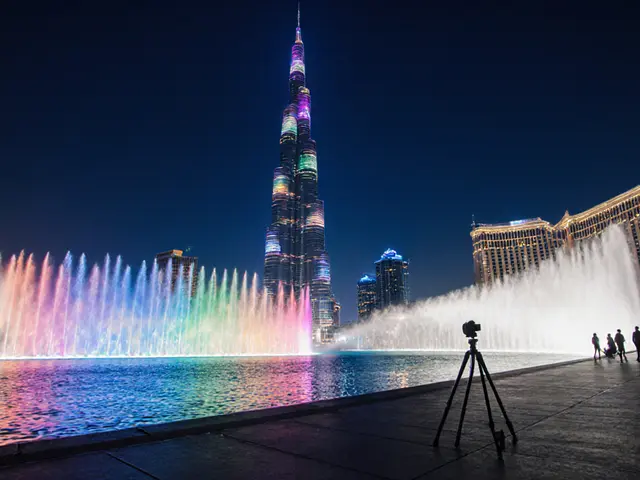
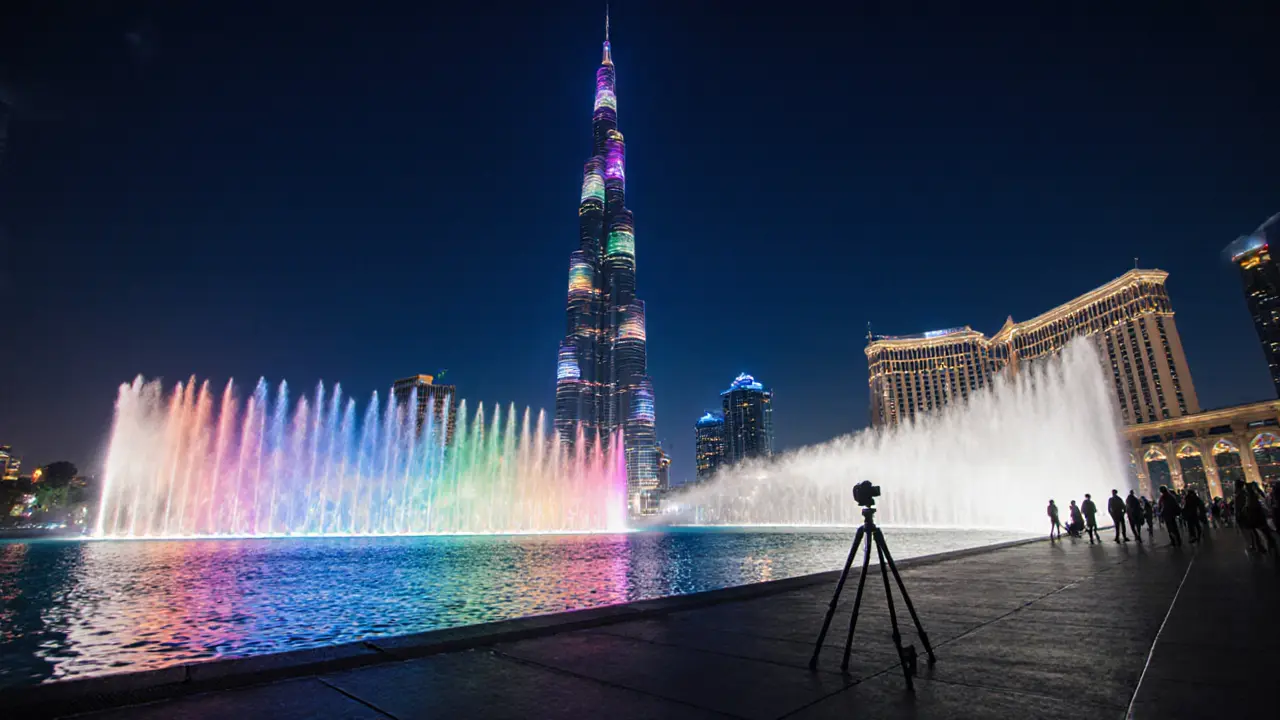
- Burj Khalifa Lake (Dubai Fountain): The fountain show runs every 30 minutes from 6 p.m. to 11 p.m. Use a tripod and a 2-second exposure to turn the water into silk. Position yourself on the walkway near the Dubai Mall entrance for the full reflection.
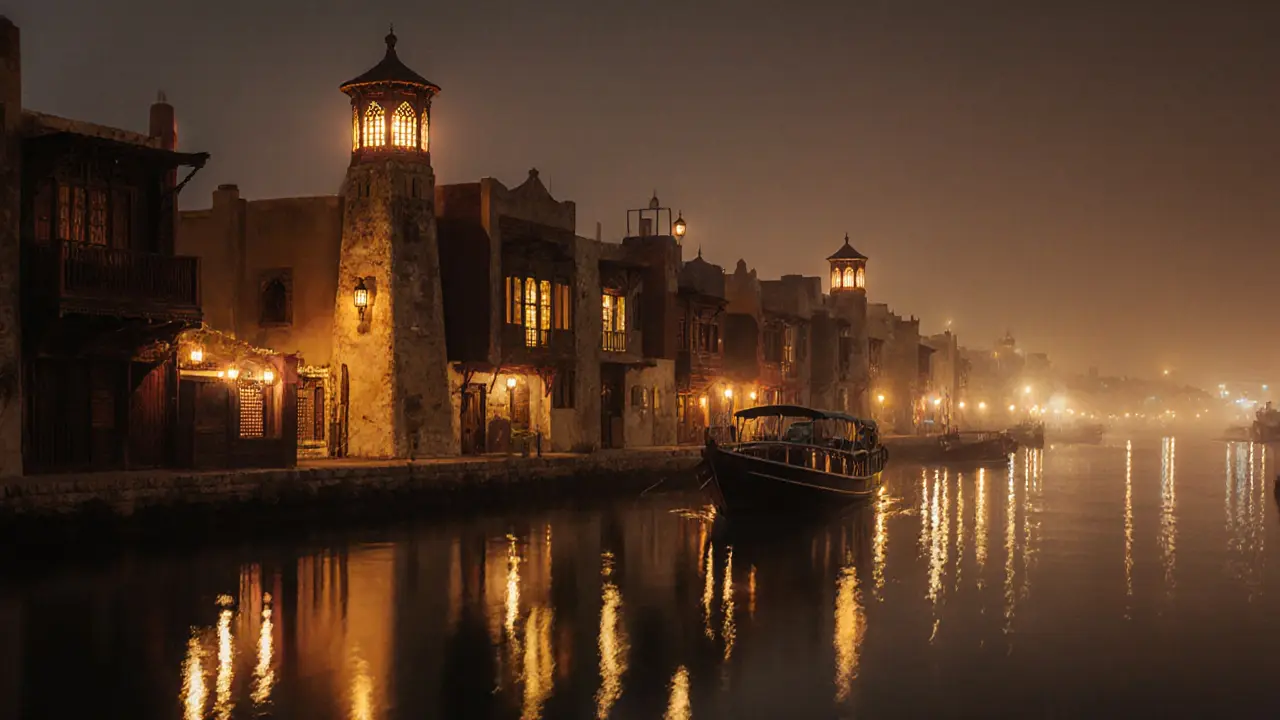
- Al Seef District: This restored waterfront area blends traditional Arabic architecture with modern lighting. The warm lantern glow against dark wooden buildings creates rich textures. Shoot wide to capture the canal reflections.
- Bluewaters Island and Ain Dubai: The world’s tallest observation wheel lights up in synchronized patterns. Get a spot on the JBR beachfront to frame it against the Dubai Marina skyline. Use a 10-stop ND filter to blur the motion of passing boats.
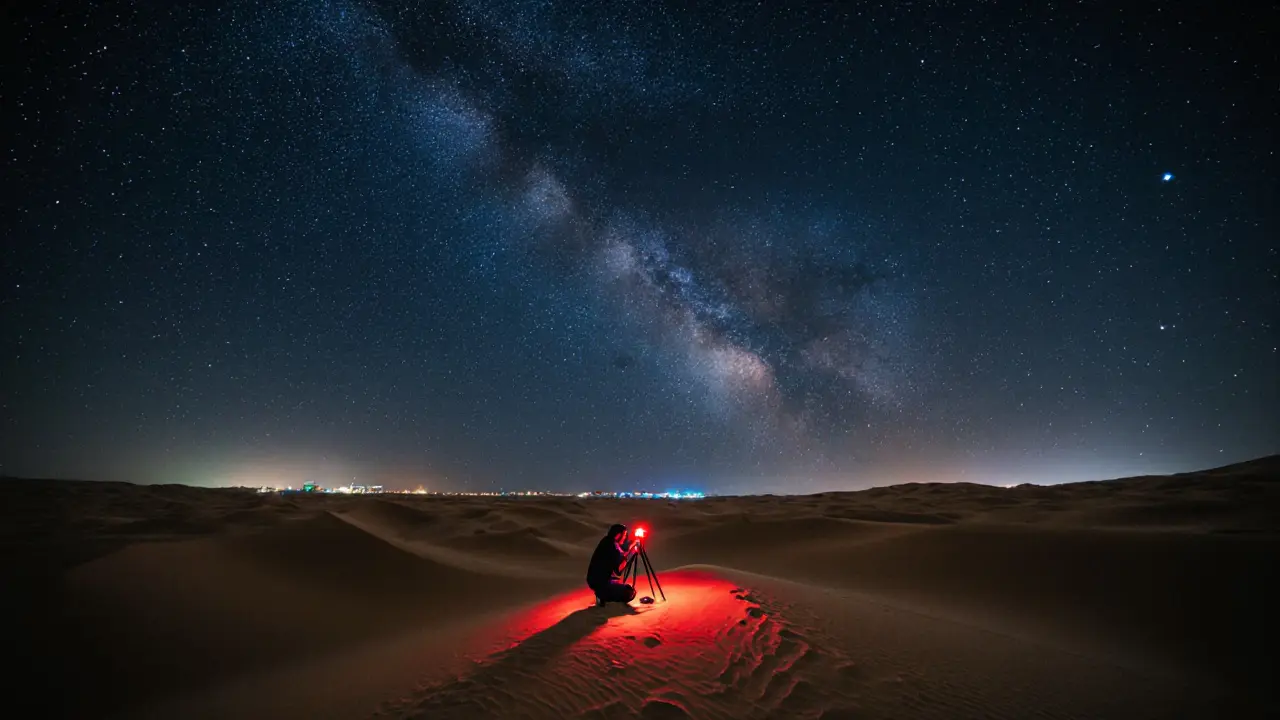
- Desert Safari Turnaround Point (near Al Marmoom): After a dune bashing tour, the desert becomes a starry void. Use a wide aperture (f/2.8 or lower) and a 20-second exposure to capture the Milky Way above the dunes. Bring a headlamp with a red filter to avoid ruining your night vision.
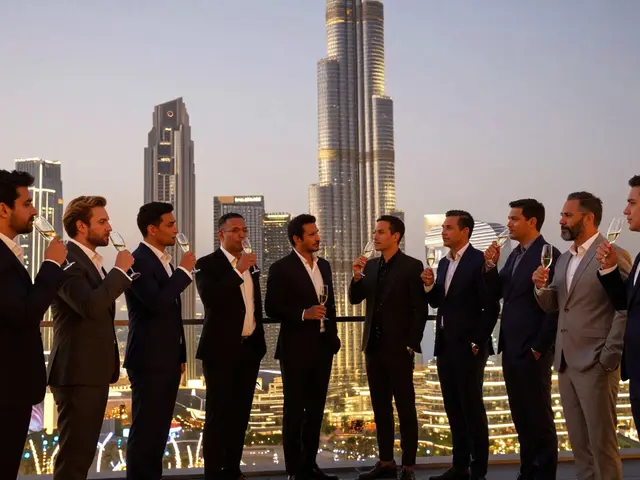
- Level 43 at Address Downtown: This rooftop bar offers an unobstructed view of the Burj Khalifa. No tripod? No problem. Shoot handheld at ISO 3200, 1/15s, f/2.8. The city lights will blur just enough to add energy.
Camera Gear That Actually Matters
You don’t need the most expensive gear, but you do need the right tools. A tripod is non-negotiable-wind in Dubai can be strong, even at night. Use a carbon fiber model with a ball head for quick adjustments. A wide-angle lens (16-35mm f/2.8) is your best friend for capturing the scale of the skyline. A 70-200mm helps isolate lights from afar, like the Ain Dubai wheel or the lights of Palm Jumeirah.
Don’t forget extra batteries. Cold nights drain power faster than you think. And always carry a microfiber cloth. Dubai’s air carries fine dust that settles on lenses faster than you can say “exposure compensation.”
Settings That Work-No Guesswork
Manual mode is your only friend here. Auto modes will fail. Start with these base settings and tweak from there:
- Aperture: f/2.8 to f/5.6. Wider apertures let in more light and create soft bokeh on distant lights.
- Shutter Speed: 2 to 10 seconds. Longer exposures smooth water and blur traffic trails. Use a remote shutter or timer to avoid camera shake.
- ISO: 400 to 1600. Push higher only if you’re shooting handheld or need to freeze motion.
- Focus: Manual focus on a bright light. Autofocus hunts in low light. Use live view, zoom in, and nail the focus on the Burj Khalifa’s tip or a streetlamp.
- White Balance: Set to 4000K. Auto white balance will make the city look too blue or too orange. This setting keeps the neon hues true.
How to Avoid Common Mistakes
Here’s what kills most night shots in Dubai:
- Overexposing the Burj Khalifa: It’s bright. Your camera will try to make it white. Use exposure compensation (−1 to −2 EV) or bracket exposures and blend later.
- Ignoring reflections: Water, glass, and wet pavement are your secret weapons. Look for puddles after the fountain shows or rain. They double the impact.
- Shooting from the wrong angle: Don’t stand too close to the Burj Khalifa. You’ll lose the scale. Step back. Use the Dubai Mall’s atrium windows or the bridge near the Dubai Opera for better framing.
- Forgetting the sky: The Milky Way is visible in Dubai’s outskirts. If you’re shooting in the desert, don’t just focus on the dunes. Look up.
- Using flash: Never. It ruins the ambiance and looks amateurish. The city is your light source.
Post-Processing: Less Is More
Don’t overdo it. Dubai’s night scenes are already dramatic. In Lightroom or Capture One:
- Boost shadows slightly (+15 to +25) to reveal details in dark buildings.
- Reduce highlights (−20 to −30) to keep the Burj Khalifa from blowing out.
- Use the dehaze slider sparingly. Dubai’s air is clear-adding dehaze makes it look artificial.
- Adjust color temperature to keep the blue tones cool and the neon signs punchy.
- Shoot in RAW. Always. You’ll need the data to recover blown-out lights or recover shadow detail.
Legal and Safety Tips
Photography is legal in most public areas, but avoid filming government buildings, military zones, or private property without permission. Stick to tourist zones. Always be aware of your surroundings. Dubai’s night streets are safe, but crowded spots like the Dubai Mall or JBR can attract pickpockets. Keep your gear close. And never leave your tripod unattended-even for a minute.
What to Bring (Beyond Your Camera)
- Power bank (for your camera and phone)
- Red-filtered headlamp (for adjusting settings without blinding others)
- Small towel or cloth (to wipe condensation)
- Water and snacks (you’ll be out for hours)
- Lightweight jacket (nights drop to 18°C in November)
- Portable LED panel (for light painting on textures like sand or stone)
Final Tip: Be Patient, Be Present
The best shots aren’t taken-they’re waited for. Wait for the fountain to hit its peak. Wait for a dhow to glide past the Marina. Wait for a group of locals to walk under a lantern-lit arch. The magic isn’t in the gear. It’s in the timing. And in Dubai, the night gives you endless chances to get it right.
What’s the best time of year to photograph Dubai at night?
November to February offers the clearest skies and coolest temperatures, making it ideal for long exposures and desert photography. Humidity drops, the air stays sharp, and the stars are visible even on the city’s edge. Avoid summer months-high heat and haze ruin contrast and make long exposures noisy.
Can I use my smartphone to photograph Dubai’s nightlife?
Yes, but with limits. Modern phones like the iPhone 15 Pro or Samsung Galaxy S24 Ultra have excellent night modes. Use Pro or Manual mode if available. Lock focus on a bright building, and avoid using digital zoom. For best results, pair your phone with a small tripod and shoot in RAW mode using apps like ProCam or Halide. You won’t match a full-frame camera’s dynamic range, but you can still capture stunning shots.
Do I need a permit to photograph in Dubai?
For personal, non-commercial photography in public areas like the Dubai Fountain, JBR, or Al Seef, no permit is required. If you’re shooting for media, advertising, or professional use, you must apply through the Dubai Media Council. Commercial drone use is strictly regulated-only licensed operators can fly in Dubai. Always check signs at locations; some private developments restrict photography.
How do I capture traffic light trails in Dubai?
Find a bridge or overpass with heavy traffic-like the Sheikh Zayed Road overpass near the Dubai Mall. Use a tripod, set your shutter speed to 10-15 seconds, and keep your aperture around f/8 to f/11. Use a low ISO (400) to avoid noise. The result will be streaks of red and white light weaving through the city. Avoid shooting during the Friday night rush if you want cleaner trails.
Is it safe to shoot alone in Dubai at night?
Yes, Dubai is one of the safest cities in the world for solo photographers. The streets are well-lit, police patrols are frequent, and locals are generally helpful. But always stay aware. Don’t wander into isolated areas near construction zones or desert edges without telling someone your plans. Carry your ID and a copy of your visa. And never assume a location is public-some luxury developments have private security.
What’s the one thing most photographers miss in Dubai at night?
The quiet moments. Everyone chases the Burj Khalifa and the fountain. But the real soul of Dubai’s night is in the alleyways of Al Seef, the glow of a single lantern on a dhow, or the reflection of a streetlamp on a wet sidewalk in Karama. Slow down. Walk. Look for the small lights. Those are the images people remember.