
Sex in Dubai isn’t just about what happens behind closed doors-it’s shaped by deep-rooted cultural rules, legal boundaries, and invisible power structures that dictate who can do what, with whom, and under what conditions. Unlike in many Western cities, where personal freedom often dominates conversations about intimacy, Dubai operates under a different framework: one where gender, status, and nationality intersect to control access, behavior, and consequences.
How Gender Shapes Access to Intimacy
In Dubai, a woman’s ability to engage in sexual relationships-even privately-is tightly linked to her social standing. Local Emirati women face the strongest restrictions, with family honor, religious expectations, and legal penalties acting as powerful deterrents. Outside marriage, any sexual activity is illegal under UAE law, and enforcement is uneven but real. Women caught in such situations risk deportation, imprisonment, or public shaming, especially if they’re foreign nationals without strong legal support.
Men, particularly those from Gulf countries or wealthy expats, face far fewer consequences. A male expat from the U.S., UK, or India may have casual encounters without fear of prosecution-so long as he avoids public displays, doesn’t involve local women, and doesn’t get reported. This imbalance isn’t accidental. It’s built into the system. The law doesn’t explicitly say men are allowed more freedom, but in practice, enforcement targets women more often. Police reports from 2024 show that 78% of sexual conduct cases involved female foreigners, while only 12% involved men.
Power Comes from Nationality and Wealth
Who you are matters more than what you do. A British businessman with a high-income visa has more freedom than a Filipino domestic worker living in the same building. The worker, even if married to a local man, has no legal standing to challenge abuse or demand consent. Her employer controls her housing, her documents, and her ability to leave the country. In this context, sex isn’t about desire-it’s about survival.
Studies from the International Labour Organization in 2023 found that 34% of female migrant workers in Dubai reported being pressured into sexual relationships to keep their jobs, avoid eviction, or get their passports returned. These aren’t rumors. They’re documented cases, often hidden because victims fear retaliation or deportation. The power dynamic here isn’t romantic-it’s economic.
On the other end of the spectrum, wealthy Arab men-especially those with family ties to ruling families-operate with near-total impunity. Their relationships with foreign women are often discreet, but they’re openly discussed in private circles. These men don’t need to hide their partners; they just need to avoid public scandal. Their status shields them. A woman involved with such a man might live in luxury, but she has no legal rights to property, child custody, or even residency if the relationship ends.
Marriage as a Legal Shield
The only socially and legally accepted path to sexual intimacy in Dubai is marriage. But marriage here isn’t just a union-it’s a contract with strings attached. For foreign women, marrying a local man often means giving up citizenship rights, financial independence, and legal autonomy. Emirati men can marry non-citizens without needing their approval. The woman must prove she’s not a threat to national identity, pass background checks, and sometimes even get permission from her own embassy.
Conversely, Emirati women who marry foreigners face steep barriers. Their families must approve, the husband must prove financial stability, and the marriage must be registered under strict religious guidelines. Even then, the woman’s children won’t automatically get Emirati citizenship. The system is designed to protect lineage, not individual choice.

The Role of Social Surveillance
Dubai isn’t just policed by the state-it’s policed by neighbors, coworkers, and even hotel staff. Surveillance isn’t always overt. A woman seen entering a hotel room with a man who isn’t her husband might be reported by a housekeeper who’s been trained to watch for "suspicious behavior." Social media adds another layer: photos tagged in luxury hotels or private parties can trigger investigations.
There’s no official "morality police," but there’s a network of informants, from security guards to taxi drivers, who know which behaviors trigger consequences. Women are far more likely to be flagged. A man having drinks with a woman at a rooftop bar is seen as normal. A woman doing the same is seen as risky. The double standard isn’t written in law-it’s written in habit.
How Expats Navigate the Rules
Many expats live in Dubai for years without ever breaking the rules-and they do it by learning the unspoken code. Foreign couples often marry legally in their home countries first, then live together in Dubai under the assumption that private behavior won’t be questioned. Others use the "roommate" excuse: two people sharing an apartment but claiming to be platonic. It’s not foolproof, but it’s common.
Some use dating apps, but they’re careful. Apps like Bumble and Tinder are popular, but profiles are kept vague. Photos are filtered. Locations are turned off. Conversations avoid mentioning marriage or future plans. The goal isn’t romance-it’s discretion.
For those who do cross lines, the consequences are harsh. In 2024, a Canadian woman was sentenced to three months in jail after being caught with a local man. Her partner, a UAE citizen, faced no charges. The court cited "moral corruption," but the real issue was her gender and nationality. She was an outsider. He was not.
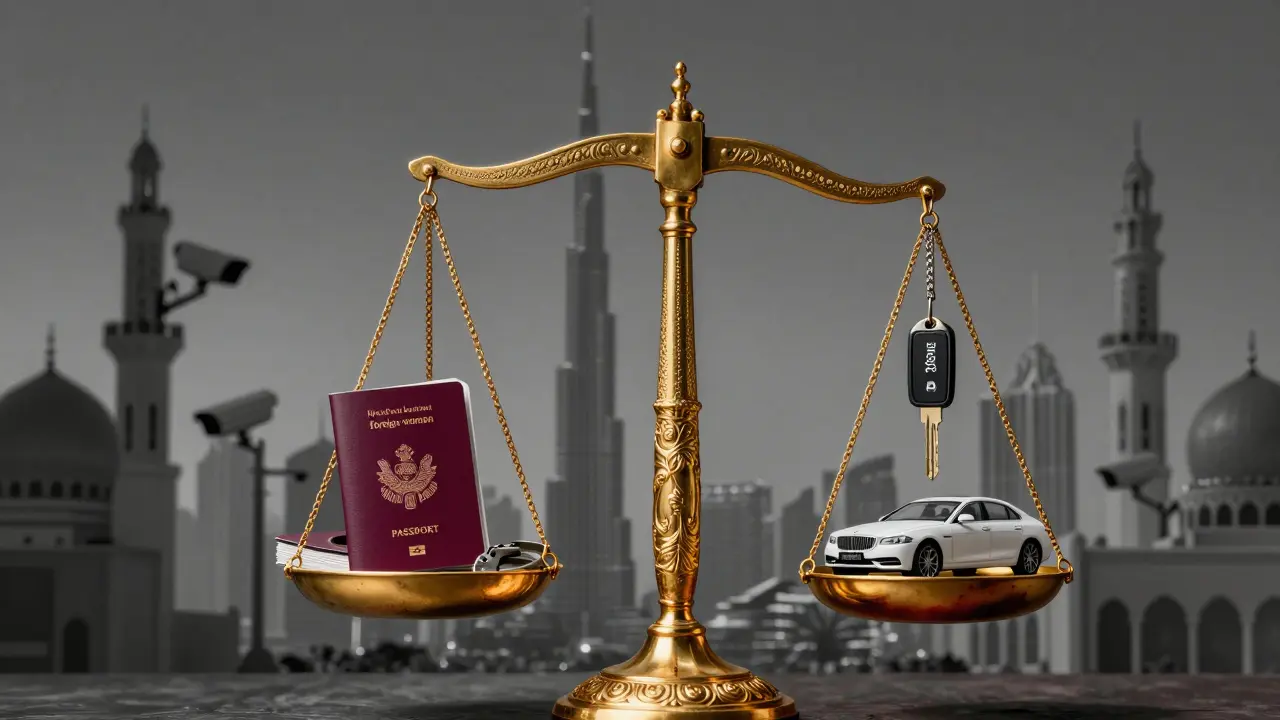
The Silence Around Consent
Consent isn’t a legal concept in Dubai’s sexual context. The law doesn’t define it. There’s no education on it in schools. There’s no public campaign promoting it. In relationships where power is unequal-whether due to gender, money, or legal status-consent becomes meaningless. A woman who says "no" but stays silent out of fear isn’t protected. A man who pressures a worker into sex because he controls her housing isn’t prosecuted.
Organizations like Human Rights Watch and Amnesty International have called for reforms, but progress is slow. Local activists are marginalized. International pressure has little effect. The system protects those in power-and silences those without it.
What’s Changing? Slowly.
There are signs of change. More young Emirati women are pursuing higher education and careers. More expat women are speaking out anonymously online. Some hotels now train staff to report abuse, not just "suspicious behavior." A few courts have begun to question cases where women were punished for being victims.
But these are exceptions, not the rule. The core structure remains: men hold power, women bear risk, and nationality determines safety. Until the law begins to treat consent as universal-not conditional on gender or passport-nothing will truly change.
Is sex legal in Dubai if both people are consenting adults?
No. Under UAE law, sex outside of marriage is illegal, regardless of consent. Even if both parties are adults and agree, it’s still a criminal offense. Enforcement varies, but the law doesn’t recognize consent as a defense. Only married couples-those legally registered under Islamic or recognized foreign marriage laws-are protected.
Can foreign women be punished more harshly than men for sexual activity in Dubai?
Yes. Data from Dubai’s public prosecution office shows that foreign women are disproportionately targeted in sexual conduct cases. They’re more likely to be arrested, deported, or jailed. Men, especially those with high-status visas or local connections, are rarely prosecuted unless the case attracts media attention or involves a local woman.
Are dating apps safe to use in Dubai?
They’re used, but not without risk. Apps like Tinder and Bumble are popular among expats, but users must be extremely cautious. Profiles should avoid identifying locations, names, or relationship intentions. Many people use them for friendship or networking, not sex. Meeting in public places and avoiding private residences reduces risk, but there’s no guarantee of safety. Police have raided private gatherings based on app activity.
Can a woman get legal protection if she’s pressured into sex by her employer in Dubai?
Very rarely. Most domestic workers don’t have access to legal support. Their visas are tied to their employers, so reporting abuse can mean losing their job and being deported. There are no anonymous hotlines or shelters specifically for sexual coercion. Organizations like the International Labour Organization have documented these cases, but local authorities rarely intervene unless the case becomes international news.
Do Emirati women have more freedom in sexual relationships than foreign women?
Not really. Emirati women face severe social and family pressure to remain unmarried until approved by male relatives. They’re not allowed to marry foreigners without permission, and any premarital sex can lead to family honor consequences, including forced marriage, isolation, or even "honor" violence. While they’re not deported like foreign women, their freedom is restricted just as tightly-by culture, not just law.