Dubai is known for luxury, glitter, and strict laws. You won’t find neon signs or pole dancers on the streets of Dubai like you would in Las Vegas or Bangkok. But that doesn’t mean strip clubs don’t exist here-they just hide. And behind those closed doors, the reality is far darker than the glossy brochures suggest.
There Are No Legal Strip Clubs in Dubai
Dubai’s legal code is clear: public nudity, sexual performance, and commercialized adult entertainment are banned under UAE Federal Law No. 3 of 1987. The penal code punishes anyone involved in running or attending such venues with fines, deportation, or jail time. Yet, reports from former staff, undercover investigators, and expat insiders confirm that underground clubs operate under false fronts-private lounges, VIP members-only bars, or luxury penthouse parties disguised as social events.
These places don’t advertise. You don’t find them on Google Maps. You get in through word-of-mouth, encrypted apps, or connections made in expat circles. A 2024 investigation by a Dubai-based journalist tracked seven such locations across Jumeirah, Downtown, and Al Barsha. All were linked to the same network of offshore shell companies and foreign-owned security firms.
The Human Cost Behind the Veil
Most performers in these hidden clubs are foreign women on tourist or freelance visas. Many come from Eastern Europe, Southeast Asia, and Latin America, lured by promises of high pay, modeling gigs, or hospitality jobs. Once they arrive, their passports are confiscated. Contracts are verbal. They’re told to perform only ‘dance routines’-but the line between dance and stripping is erased by the clients, the lighting, and the pressure.
One woman, identified only as ‘Lena’ in a confidential interview, said she was told she’d be working as a hostess at a rooftop bar in Dubai Marina. Instead, she was locked in a room with 12 men every night, told to wear lingerie, and paid $50 per hour-with 70% going to the manager. When she tried to leave, she was threatened with arrest for ‘immoral conduct’ and told no embassy would help her because she violated visa rules.
These aren’t rare cases. A 2023 report by the International Labour Organization documented over 200 similar cases involving women in the UAE’s hidden adult entertainment sector. Most never report it. Fear of deportation, shame, or retaliation keeps them silent.
Who Runs These Clubs? The Hidden Network
These operations aren’t run by random individuals. They’re managed by organized networks-often tied to international trafficking rings, money laundering schemes, and offshore investment groups. Dubai’s free zones, where foreign ownership is allowed, make it easy to set up shell companies. A single company might own a luxury apartment, a private gym, and a nightclub-all registered under different names but controlled by the same group.
Security is tight. These venues use facial recognition systems, encrypted messaging apps, and private elevators to avoid detection. Payments are made in cryptocurrency or through third-party intermediaries. One former bouncer told investigators that cash was never handled directly-clients paid via Bitcoin wallets linked to anonymous wallets in Cyprus or the Seychelles.
The police rarely raid these places. When they do, it’s usually after a complaint from a victim or a tip from an insider. Most raids end with minor fines and deportations-not arrests or prosecutions. The owners walk away, rebrand, and open another club under a new name.
The Role of Expats and Tourists
Dubai’s expat community-especially wealthy businessmen, contractors, and investors-fuels this underground economy. Many know what’s happening. Some even brag about it in private groups. They see it as a ‘hidden perk’ of living in Dubai: access to discretion, luxury, and something forbidden.
But this isn’t harmless fun. These men aren’t just customers-they’re enablers. Their demand keeps the system alive. And when a woman is exploited, they rarely question it. ‘It’s not my problem,’ one expat admitted in a recorded conversation. ‘She signed up for it. She knew the rules.’
That mindset is dangerous. It normalizes abuse. It turns human suffering into a luxury service.
What Happens When You Get Caught?
If you’re caught attending one of these clubs, you won’t be charged with a crime-but you’ll be deported. The UAE doesn’t need to prove you committed a crime. Simply being present at an unlicensed venue is enough to trigger immigration action. Your visa is canceled. You’re banned from re-entry for up to 10 years. Your employer may fire you. Your bank accounts could be frozen.
And it’s not just foreigners. Emirati citizens caught attending these places face even harsher consequences: public shaming, family pressure, and potential criminal charges under moral conduct laws. One case in 2022 involved a government official who was dismissed after CCTV footage showed him entering a private club in Al Quoz. His name was published in local newspapers. He disappeared from public life.
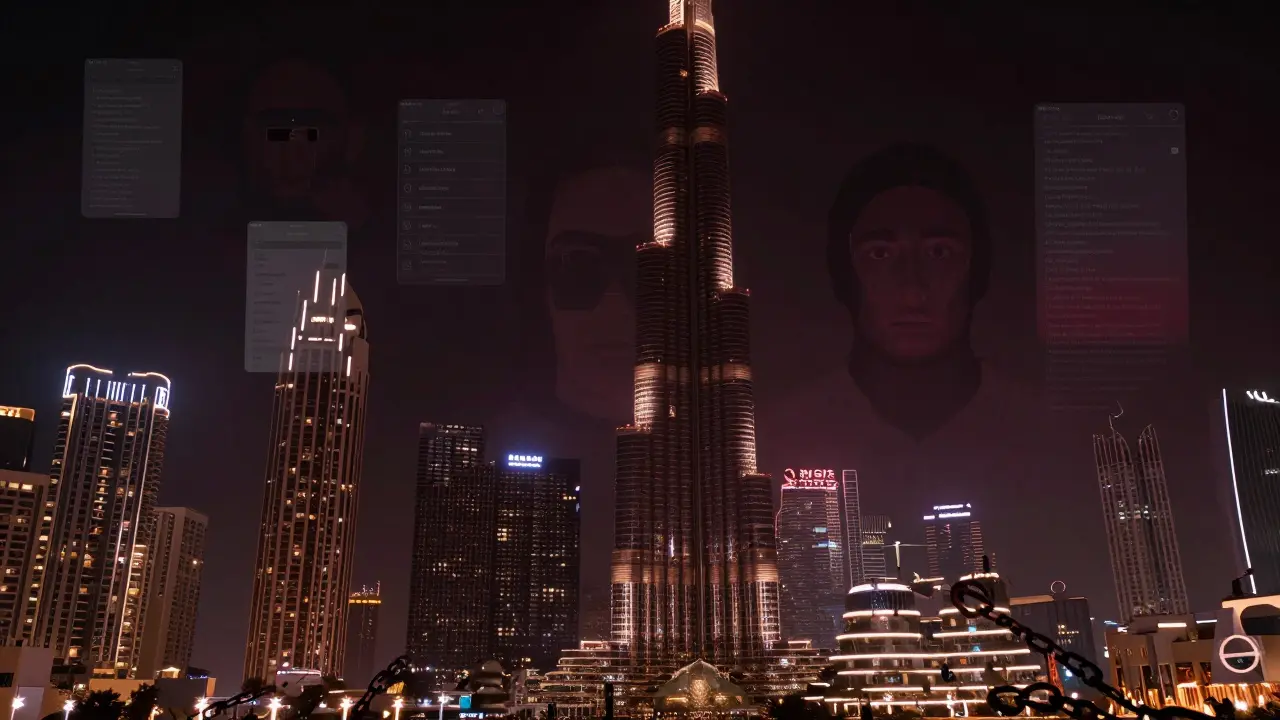
Why Doesn’t Dubai Crack Down Harder?
Dubai’s government has a delicate balancing act. It wants to be seen as modern, global, and tolerant-while maintaining strict Islamic values. Publicly, it enforces the ban. Privately, it turns a blind eye to high-profile clients and powerful investors.
There’s also money involved. These clubs generate millions in unreported revenue. Some of that money flows into legitimate businesses: real estate, hotels, luxury car dealerships. The government doesn’t want to disrupt that. As long as the clubs stay hidden and don’t cause public scandals, they’re tolerated.
This isn’t law enforcement failure. It’s policy choice.
What Can Be Done?
Change won’t come from tourists or expats. It needs pressure from inside. Local NGOs, women’s rights groups, and former victims are slowly speaking up. In 2025, a coalition of activists launched a campaign called ‘No More Hidden Rooms’-collecting testimonies, documenting locations, and pushing for international attention.
But the real solution lies in accountability. If foreign companies that fund these operations through shell companies are exposed, if banks that process their crypto payments are named, if embassies start helping victims instead of ignoring them-then the system will crack.
Dubai’s glitter can’t hide the rot beneath. The strip clubs aren’t just illegal-they’re a symptom of a deeper failure: the exploitation of the vulnerable for profit, wrapped in silence and secrecy.
What You Should Know Before You Go
If you’re planning a trip to Dubai, assume every private club, VIP lounge, or members-only bar with heavy security and no signage is illegal. Don’t be tempted by whispers. Don’t assume ‘everyone does it.’ The risks aren’t worth it.
Even if you think you’re just ‘watching’ or ‘dancing,’ you’re still participating in a system that preys on women, hides crime, and thrives on silence.
There’s no glamorous side to this. Only shadows.
Are there any legal strip clubs in Dubai?
No. There are no legal strip clubs in Dubai. All forms of public or commercial nudity and sexual performance are banned under UAE federal law. Any venue offering such services operates illegally, often disguised as private lounges or VIP clubs.
Can tourists get arrested for visiting underground clubs in Dubai?
You won’t always be arrested, but you will be deported. Being found at an unlicensed adult entertainment venue is enough for immigration authorities to cancel your visa and ban you from re-entering the UAE for up to 10 years. Your employer may also terminate your job if you’re on a work visa.
Who works in these underground clubs?
Most performers are foreign women on temporary visas-often from Eastern Europe, Southeast Asia, and Latin America. Many are misled about their jobs, have their passports taken, and are forced to perform under threat of deportation or violence. Their pay is low, conditions are dangerous, and escape is nearly impossible.
Why don’t the police shut these places down?
The police do raid some, but only after tips or complaints. Many of these clubs are protected by powerful connections-offshore investors, shell companies, and high-profile clients. The government tolerates them as long as they stay hidden and don’t cause public scandals. It’s a matter of control, not enforcement.
How do these clubs avoid detection?
They use encrypted apps, facial recognition, private elevators, and cryptocurrency payments. Many operate out of luxury apartments or rented penthouses registered under fake company names. They rely on word-of-mouth referrals and avoid any digital footprint that could be traced.
Is it safe to go to a private party in Dubai if someone says it’s ‘just dancing’?
No. If a party requires a secret code, private transport, or has no public listing, it’s almost certainly illegal. Even if you think you’re just watching, you’re entering a space where exploitation is normalized. The risk of deportation, legal trouble, or being caught in a crime scene is real.