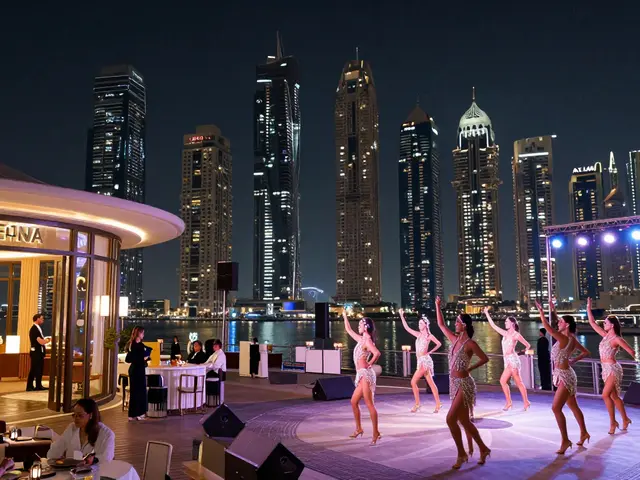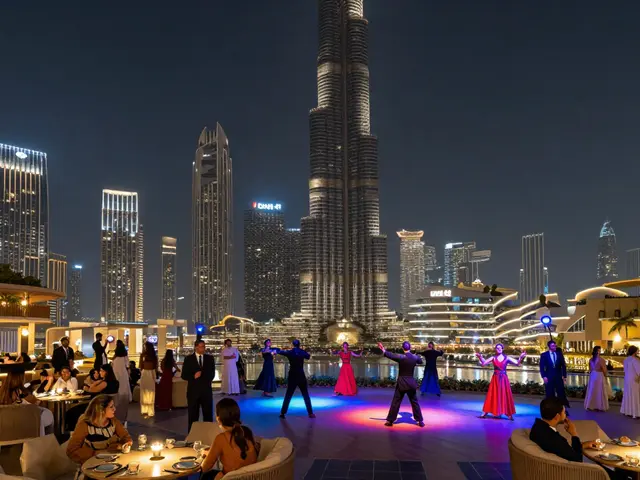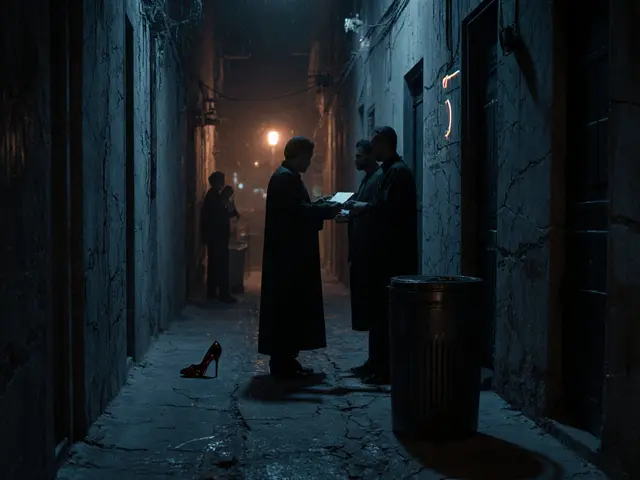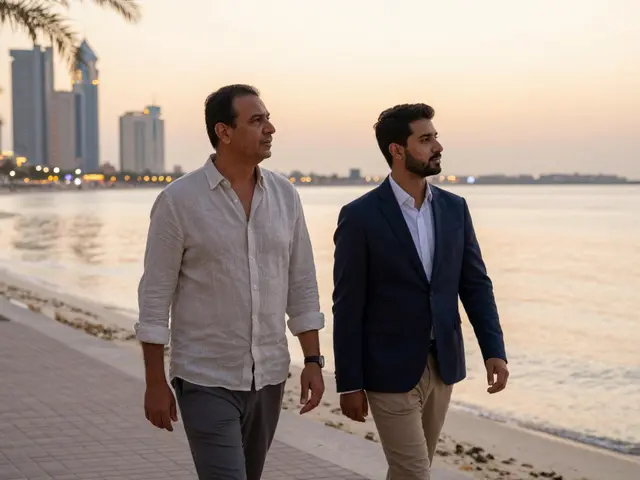
Dubai is known for its glittering skyline, luxury malls, and five-star hotels. But behind the curated image of a global tourist hub lies a hidden world where women are trapped, forced to perform, and sold like commodities. Strip clubs in Dubai don’t operate openly like they do in Las Vegas or Amsterdam. They don’t have neon signs or public listings. Instead, they hide in plain sight - in private villas, behind unmarked doors in commercial buildings, inside upscale hotels under the guise of ‘members-only lounges’ or ‘private parties.’
There are no legal strip clubs in Dubai
Dubai’s laws are clear: public nudity, sexual performance for profit, and commercialized stripping are illegal under UAE federal law. Article 358 of the UAE Penal Code criminalizes any act that promotes indecency or immorality. This includes dancing in revealing clothing for money, especially if it’s done in front of paying customers. So technically, there are no legal strip clubs in Dubai. But that doesn’t mean they don’t exist.
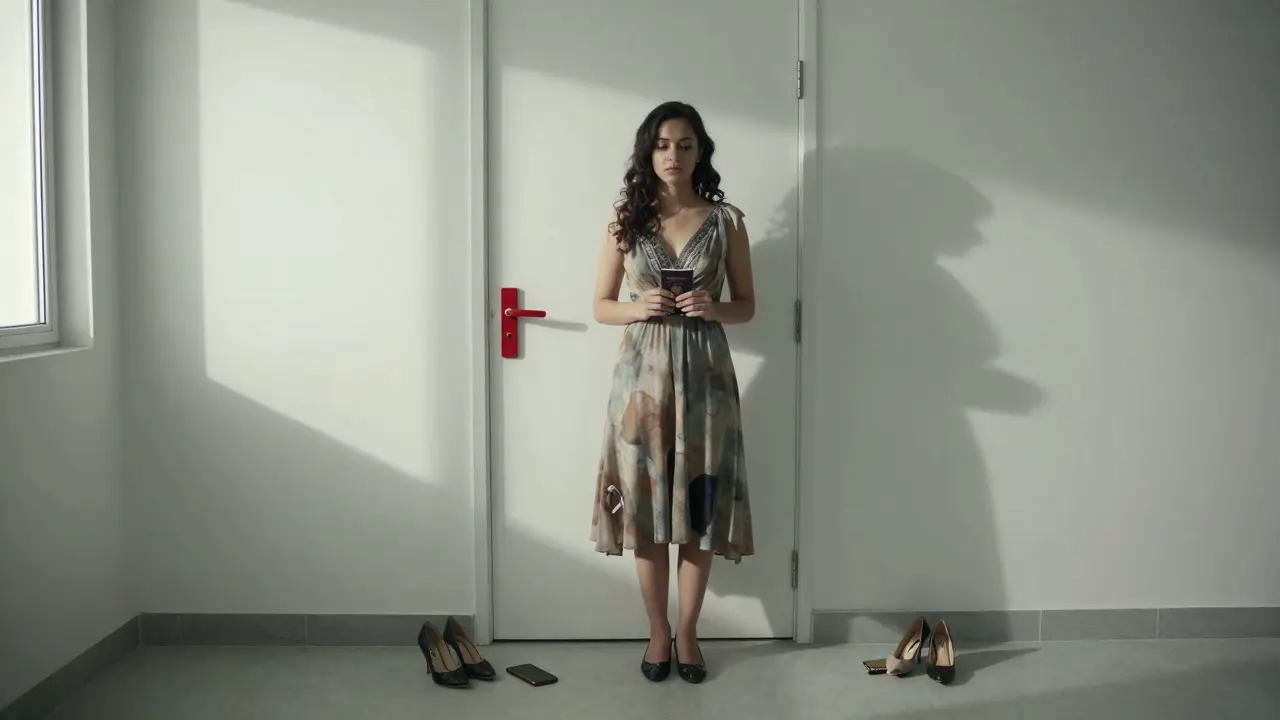
What you find instead are underground operations run by organized networks. These aren’t small-time operators. They’re part of larger criminal syndicates that source women from countries like Ukraine, Moldova, Nigeria, the Philippines, and Russia. Many of these women arrive on tourist or visit visas, lured by promises of high-paying modeling jobs, hotel hostess roles, or even marriage opportunities. Once they land, their passports are taken. Their movements are monitored. They’re told they owe thousands in ‘fees’ for travel, accommodation, and training - debts they can never pay off.
How women are trapped
One former dancer, who asked to remain anonymous, told investigators she was recruited through a Facebook ad offering a $5,000-a-month job as a ‘VIP hostess’ in Dubai. She was told she’d serve drinks, mingle with guests, and wear elegant outfits. When she arrived, she was taken to a villa in Al Quoz. There, she was given a strict schedule: six hours of dancing per night, five nights a week. She wasn’t allowed to leave without a male escort. Her pay? $300 a week - after deductions for ‘uniforms,’ ‘security,’ and ‘room charges.’
She wasn’t alone. In 2023, UAE authorities raided five such locations across Dubai and rescued 27 women. All had been forced to perform under threat of violence or deportation. One woman had been held for 14 months. Another was pregnant when she was discovered. None had signed contracts. None had access to legal help.
These women are not criminals. They’re victims. But under Dubai’s strict immigration laws, they’re often treated as offenders. Many are detained, deported without proper legal representation, or pressured to sign ‘voluntary departure’ forms they don’t understand. Their traffickers? Often still free, already recruiting the next group.
The role of clients and demand
Who goes to these places? Mostly expats - wealthy businessmen, foreign workers on short-term contracts, and tourists who think they’re visiting a ‘private party.’ Some know what they’re walking into. Others are told it’s just ‘dinner and dancing.’ The reality? These are not casual nights out. They’re controlled environments where women are evaluated like products. Clients pay $200-$500 per hour for private dances. Some pay extra for ‘special requests.’
There’s no oversight. No health checks. No way to verify if a woman is there willingly. Many women report being drugged, assaulted, or forced into sex acts after hours. When they refuse, they’re punished: locked in rooms, starved, or threatened with harm to their families back home.
And yet, demand keeps growing. Social media ads - disguised as ‘luxury entertainment’ or ‘exclusive events’ - target foreign men with messages like ‘Experience the real Dubai’ or ‘VIP access for elite guests.’ These aren’t just random posts. They’re part of a coordinated marketing campaign run by traffickers using encrypted apps and burner phones.
Why Dubai turns a blind eye
The UAE government publicly denies the existence of such operations. Official reports claim ‘zero tolerance’ for human trafficking. And yet, raids are rare. Convictions are even rarer. In 2024, only three people were convicted of trafficking-related offenses in Dubai - out of an estimated 500+ women exploited annually, according to NGOs working on the ground.
Why? Because these clubs often operate with the tacit approval of powerful figures. Some are linked to individuals with political connections. Others pay protection money to local security personnel. The police know where they are. But unless there’s a major outcry - like a death, a public scandal, or international pressure - they don’t act.
Even when raids happen, the focus is on deporting the women, not prosecuting the traffickers. In one case, a woman who escaped after two years was detained for ‘illegal presence’ and deported without being offered counseling, legal aid, or even a statement of her experience. Her trafficker? He opened another club two weeks later.
The global supply chain
This isn’t just a Dubai problem. It’s part of a global trafficking network. Women are recruited in Eastern Europe through fake job agencies. In Nigeria, traffickers pose as marriage brokers. In the Philippines, they use dating apps to build trust before offering ‘overseas opportunities.’ Once in Dubai, they’re moved between locations to avoid detection. Some are flown to Abu Dhabi, Sharjah, or even Oman for short stints before returning to Dubai.
Money flows through shell companies, cryptocurrency wallets, and cash payments. The profits? Estimated at $15-$20 million annually in Dubai alone. That’s more than what some small countries make from tourism.
And the women? They’re disposable. When they’re too tired, too sick, or too rebellious, they’re replaced. New arrivals are always coming. The system is designed to keep running.

What’s being done - and what’s not
Some NGOs, like the International Organization for Migration and local groups like the Dubai Women’s Association, try to help. They run hotlines, offer temporary shelter, and work with consulates to repatriate victims. But they’re underfunded and legally restricted. They can’t enter private properties. They can’t investigate without police cooperation. And police rarely cooperate unless forced to.
International pressure has been minimal. Western governments rarely speak out publicly about human trafficking in Dubai, fearing it will hurt tourism or diplomatic ties. Even when victims reach embassies, they’re often told to ‘wait for local authorities to act.’ Meanwhile, the traffickers keep advertising, recruiting, and profiting.
What you can do
If you’re visiting Dubai, don’t go to any ‘private clubs’ or ‘VIP lounges’ advertised online. Even if they claim to be legal, they’re not. And even if you think you’re just watching a dance, you’re supporting a system that enslaves women.
If you’re an expat, don’t be silent. Report suspicious activity. If you see a woman who looks scared, controlled, or forced, call the Dubai Police hotline: 901. You don’t need proof. You don’t need to be involved. Just report it.
If you’re a journalist, researcher, or activist - push for transparency. Demand access to police records. Challenge the narrative that Dubai is ‘safe’ or ‘modern’ if this is happening under its nose. The world needs to know: luxury and exploitation can exist side by side.
There’s no glamour here
There’s no sparkle in these rooms. No champagne on ice. No music playing. Just fear. Silence. And the sound of a door locking behind someone who won’t be seen again.
Dubai doesn’t need strip clubs to be a global city. It doesn’t need exploitation to attract tourists. But until the systems that allow this to happen are dismantled - until traffickers are punished, not protected - the glitter will always hide the blood.
Are there any legal strip clubs in Dubai?
No. Strip clubs are illegal in Dubai under UAE federal law. Any venue offering dancing for money in revealing clothing is operating illegally. There are no licensed strip clubs in the city. What exists are underground operations disguised as private parties, VIP lounges, or members-only clubs.
How do women end up in these clubs?
Women are often recruited from countries like Ukraine, Nigeria, the Philippines, and Russia with false promises of modeling jobs, hotel hostess roles, or marriage. Once they arrive, their passports are confiscated, and they’re forced to perform under threats of violence or deportation. Many are told they owe large debts for travel and accommodation - debts they can never repay.
Who runs these underground clubs?
They’re run by organized criminal networks with ties to corrupt officials, security personnel, and sometimes even business elites. These groups operate across borders, using encrypted apps, shell companies, and cryptocurrency to move money and people. Many have been operating for years without prosecution.
Why don’t the police shut these places down?
Police know where they are, but raids are rare. Prosecutions are even rarer. Many of these clubs pay bribes or have connections to powerful individuals. Authorities often prioritize deporting the victims over prosecuting the traffickers. Without public pressure or international scrutiny, there’s little incentive to act.
What should I do if I suspect someone is being exploited?
Call Dubai Police immediately at 901. You don’t need proof. You don’t need to be involved. Just report what you see - a woman who looks scared, controlled, or forced to perform. Your call could save a life. Don’t wait. Don’t assume someone else will act.
Is it safe to visit Dubai if I’m concerned about human trafficking?
Dubai is safe for tourists who stick to public, legal venues - hotels, malls, beaches, and cultural sites. But if you’re invited to private parties, VIP clubs, or ‘exclusive events’ advertised online, avoid them. These are often fronts for exploitation. Your presence, even as a bystander, fuels the demand that keeps this system alive.