In Dubai, where luxury skyscrapers gleam beside ancient desert landscapes, access to safe sex isn’t determined by need-it’s shaped by income. While condoms and emergency contraception are legally available, many people can’t reach them without risking legal trouble, social shame, or financial strain. For low-income workers, migrants, and young locals, staying safe sexually isn’t just a matter of choice-it’s a battle against systems that make health care expensive, stigma loud, and information scarce.
Legal Barriers Hide Behind Cultural Norms
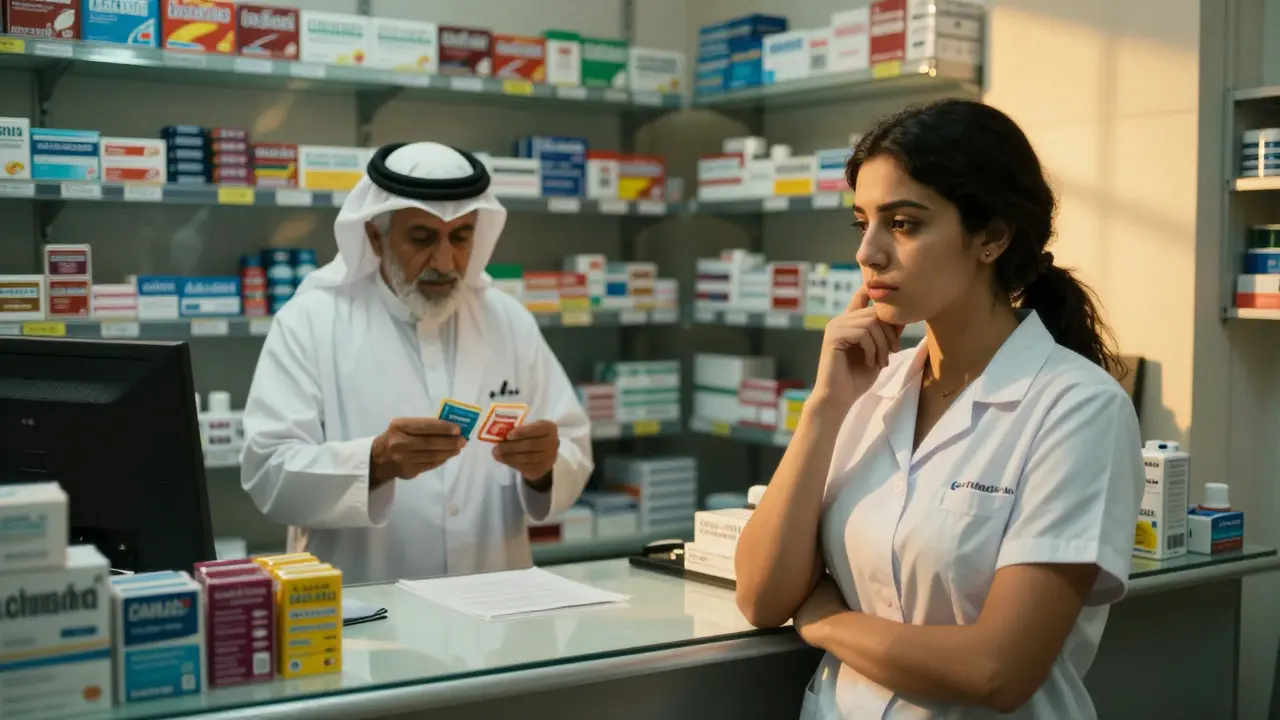
Dubai’s laws don’t ban condoms or HIV testing, but they don’t protect people who use them either. Public health services are free for citizens, but foreign workers-nearly 90% of the population-pay full price. A box of 10 condoms costs about 15 AED ($4), which sounds cheap until you realize many earn 1,500 AED a month and send most of it home. That’s less than 1% of their income for protection. But it’s not just the price. Many clinics require a national ID, which migrant workers don’t have. Without it, they’re turned away, even if they’re willing to pay.Pharmacies sell condoms openly, but staff often refuse to hand them to unmarried couples or young people. One 22-year-old Filipino domestic worker told a local NGO, "I asked for condoms at three stores. Two said they didn’t have any. The third asked if I was married. When I said no, they told me to come back with my husband." That’s not policy-it’s personal judgment enforced by fear of being reported.
Who Gets Left Behind?
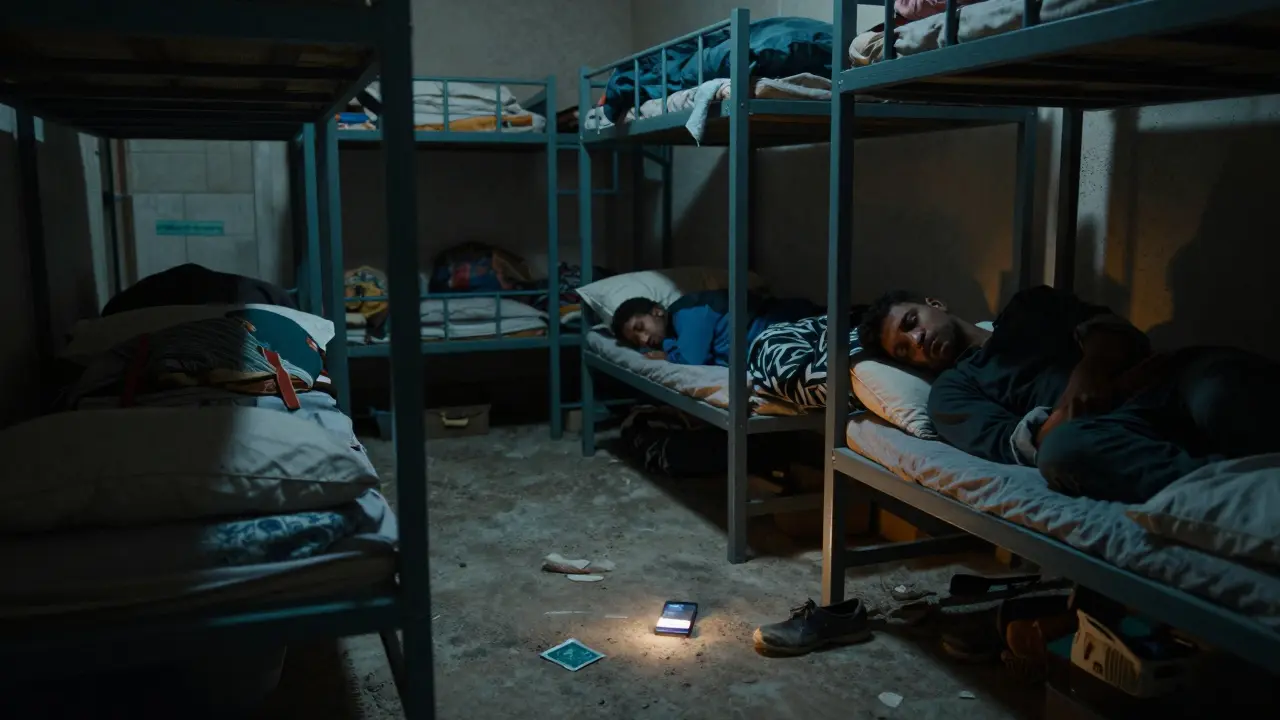
The people most affected aren’t tourists or expat elites. They’re the ones cleaning hotels, driving taxis, and working in warehouses. Many live in overcrowded labor camps with no privacy. Sexual activity happens, but education doesn’t. A 2024 study by the Dubai Health Authority found that 68% of migrant workers aged 18-30 had never received formal sexual health education. Not because they didn’t want it-but because no one offered it.Young Emirati women face different but equally dangerous barriers. Cultural pressure to remain virgins until marriage means sex education is avoided in schools. When they do become sexually active, many turn to unregulated online sources or friends for advice. One 20-year-old university student shared that she bought emergency contraception from a friend who bought it from a pharmacist using her brother’s ID. "I didn’t know if it was expired. I didn’t know if it was real. I just didn’t want to get pregnant," she said.
Stigma Turns Health Into Risk
In Dubai, asking for a condom can feel like admitting to a crime. Even though sex outside marriage is technically illegal, it’s widespread. What’s punished isn’t the act-it’s being caught without status, money, or connections. People who need protection most are often the ones least likely to seek it. A nurse working in a private clinic in Deira said she’s seen women come in after unprotected sex, crying because they’re afraid to tell their families. "They’ll pay 500 AED for a pregnancy test and then leave without asking for the pill or an STI screen. They think if they don’t name it, it won’t exist."That silence kills. HIV rates in Dubai are low compared to global averages-but rising fastest among migrant men who have sex with men and female sex workers. Neither group trusts public health services. One man, a 34-year-old Pakistani delivery driver, tested positive for syphilis in 2023. He didn’t tell anyone. He bought antibiotics online. He didn’t know they were fake.
What’s Being Done-And What’s Not
The government runs free clinics for citizens and offers some outreach to domestic workers. But these programs are underfunded and rarely advertised. Posters in bus stations show smiling couples holding condoms-but the text is in Arabic and English, not Urdu, Tagalog, or Bengali. The messages assume literacy, language fluency, and access to transportation. Most of the people who need the information don’t see it.NGOs like the Dubai Community Development Authority and the International Organization for Migration run small-scale workshops. They train community leaders to distribute condoms and teach basic sexual health. But they’re limited by funding. One program reached 1,200 workers in 2024. Dubai has over 3 million foreign residents.
Private hospitals offer confidential testing and treatment-but at prices that range from 800 AED for an STI panel to 1,500 AED for a full sexual health checkup. That’s more than half a month’s salary for many. No insurance covers it. No employer provides it. And no public campaign tells people it’s even an option.
The Cost of Silence
When people can’t access safe sex tools, the consequences aren’t abstract. Unplanned pregnancies lead to abandonment or illegal abortions. STIs spread silently through networks of workers who can’t afford treatment. Mental health suffers. One 25-year-old Sri Lankan woman, who became pregnant after unprotected sex with her employer, told a social worker: "I didn’t know I could get help. I thought I had to hide it forever."These aren’t rare stories. They’re systemic. And they’re tied directly to economic inequality. The richer you are in Dubai, the easier it is to stay safe. The poorer you are, the more you’re forced to gamble with your body.
What Could Change
Real progress doesn’t need new laws. It needs simple, practical steps:- Free condoms in all labor camps and public transit hubs-distributed without questions, in multiple languages.
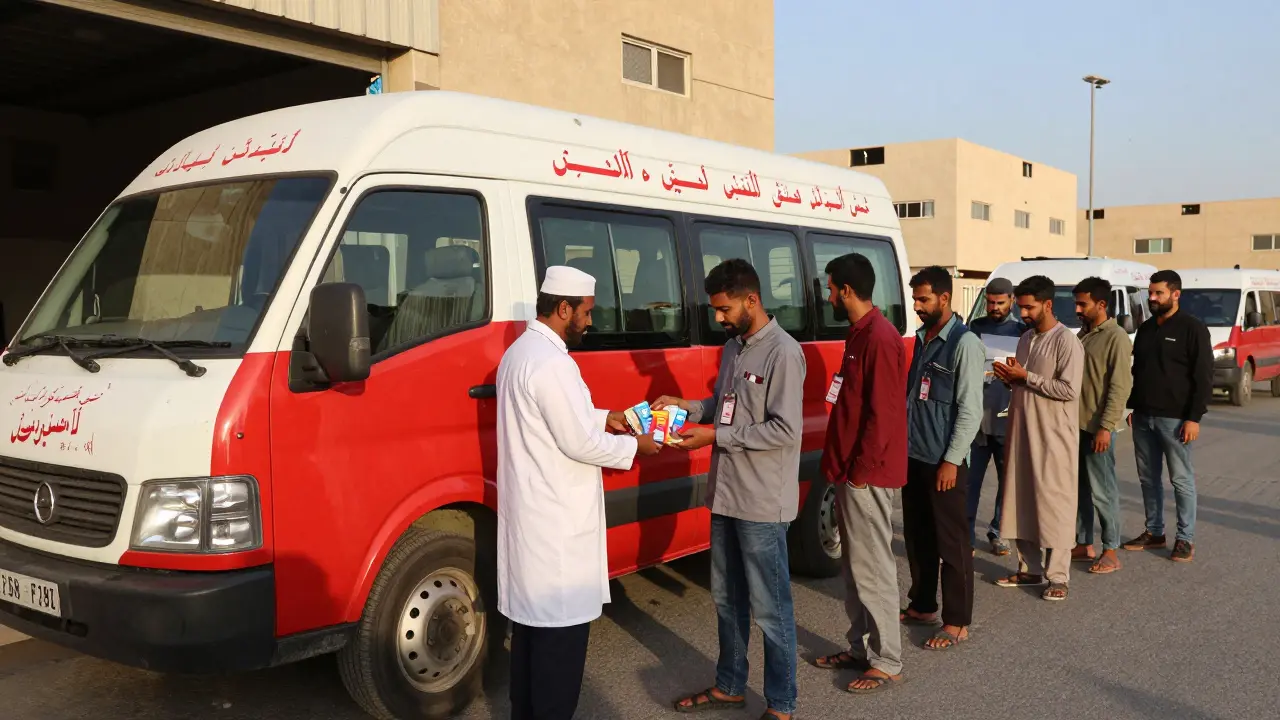
- Mobile health units that visit workplaces and housing areas, offering free STI testing and contraception.
- Training for pharmacists to stop asking personal questions and to provide clear instructions in the worker’s native language.
- Sex education in schools that doesn’t preach abstinence but teaches consent, protection, and where to get help.
- Anonymous reporting and testing systems that don’t require ID or employer approval.
These aren’t radical ideas. They’re standard practice in cities like Amsterdam, Toronto, and Singapore. Dubai has the money. It has the infrastructure. What it lacks is the political will to treat sexual health as a human right-not a moral issue.
Where to Turn If You Need Help
If you’re in Dubai and need condoms, testing, or advice:- Al Jalila Foundation offers free STI screening for residents with a valid Emirates ID.
- Al Amal Center provides confidential counseling and contraception for women, including migrant workers.
- SafeSex Dubai (a community-led initiative) distributes free condoms and educational materials in Bur Dubai and Deira. No ID needed.
- Pharmacies like Boots and Superdrug sell condoms without asking questions-if you ask in English or Hindi, you’re more likely to get them.
Don’t wait until it’s too late. Protection isn’t shameful. Silence is.
Are condoms legal in Dubai?
Yes, condoms are legal and sold openly in pharmacies, supermarkets, and convenience stores. There’s no law banning their sale or use. However, some staff may refuse to sell them based on personal or cultural bias, especially to unmarried couples or young people. If you’re denied, try another location or ask for help from a health NGO.
Can I get free HIV testing in Dubai?
Yes, free HIV testing is available at government-run health centers like Al Jalila Foundation and Dubai Health Authority clinics, but only for UAE citizens and residents with a valid Emirates ID. Migrant workers can access free testing through select NGOs like Al Amal Center and SafeSex Dubai, which don’t require ID or payment.
Is emergency contraception available in Dubai?
Yes, emergency contraception (the "morning-after pill") is available over the counter in pharmacies like Boots, Superdrug, and Al Fardan. No prescription is needed. However, some pharmacists may refuse to sell it based on personal beliefs. If this happens, try another pharmacy or contact Al Amal Center for assistance.
Do I need my passport or ID to buy condoms?
No, you don’t need any ID to buy condoms in Dubai. By law, pharmacies cannot require identification for over-the-counter products like condoms. If you’re asked for ID, you have the right to refuse. If you’re denied service, report it to the Dubai Health Authority or a local NGO.
What should I do if I had unprotected sex and can’t afford testing?
Contact SafeSex Dubai or Al Amal Center immediately. Both offer free STI testing and counseling, even if you’re undocumented or low-income. Do not wait. Many infections show no symptoms at first, but can cause long-term damage if untreated. Early testing is free, fast, and confidential.
If you’re reading this and you’re in Dubai, know this: your health matters. No one should have to choose between paying rent and protecting their body. The system isn’t designed for you-but you still have power. Ask for help. Speak up. Find the resources. You’re not alone.