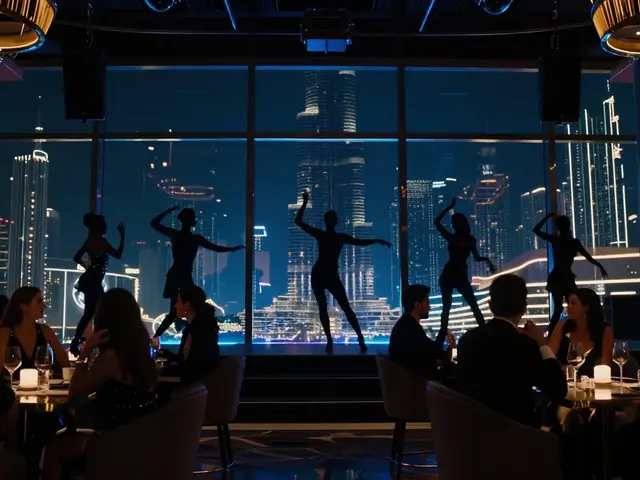
The trick to navigating this city is understanding the difference between 'official' and 'actual.' Officially, the city maintains a traditional image. Actually, the nightlife is an international melting pot where a 'don't ask, don't tell' culture allows thousands of people to party every weekend. If you know where to look and how to behave, you'll find some of the most high-energy dance floors in the Middle East.
The Secret Language of Dubai's Queer Scene
Before you head out, you need to understand how things work. You won't see a listing for a "Gay Club" on Google Maps because such a thing doesn't technically exist in a legal sense. Instead, the community relies on Underground Promoters independent event organizers who curate private parties and themed nights in rented hotel ballrooms or club spaces. These events are often shared via private WhatsApp groups or word-of-mouth.
Most queer-friendly spots are identified as "inclusive" or "diverse" rather than specifically LGBTQ+. When you see a venue described as "very international" or "bohemian," it's often a signal that the management is open-minded. The social contract here is simple: as long as you aren't making a public political statement or engaging in overly provocative behavior in the streets, the dance floor is your sanctuary.
Where the Parties Actually Happen
If you are looking for a high-production experience, your best bet is to look toward the Dubai Marina a man-made canal city known for its high-rise apartments and luxury nightlife and Palm Jumeirah the iconic palm-shaped artificial archipelago featuring some of the world's most expensive beach clubs. These areas attract a global crowd, and the security at the top-tier beach clubs is usually more interested in your dress code than your orientation.
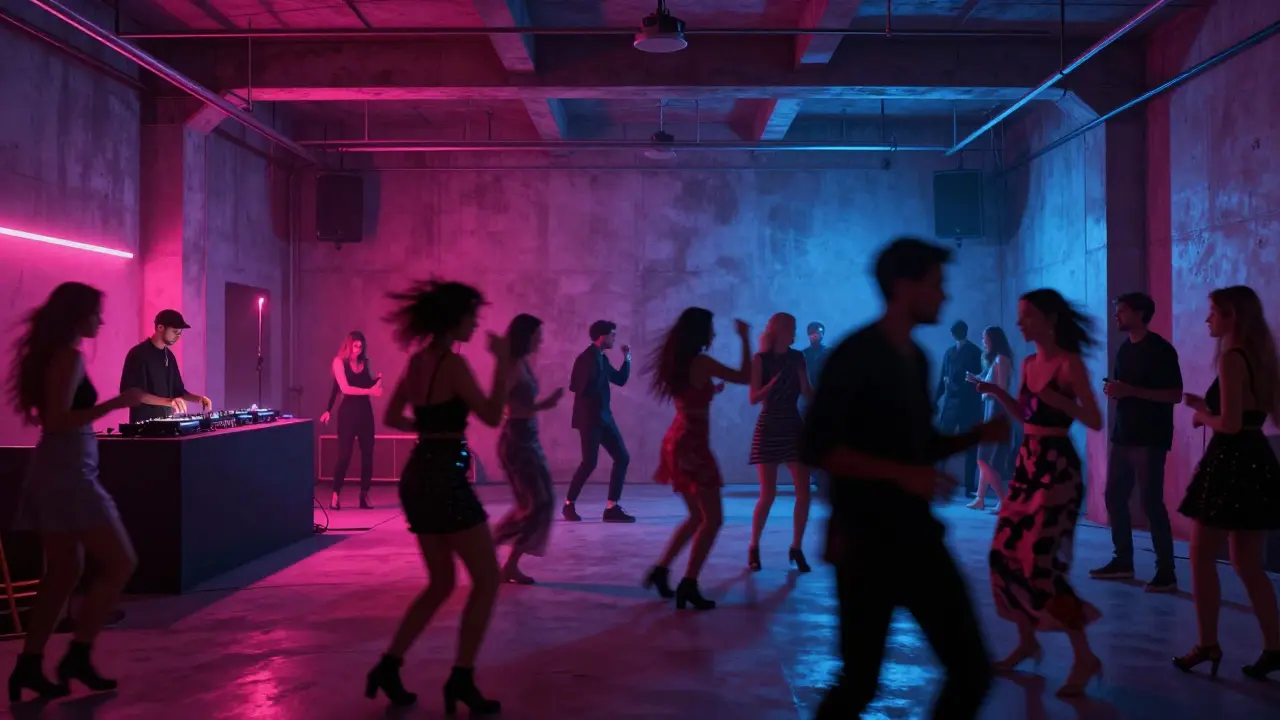
For those seeking a more intimate vibe, the Dubai Design District (d3) the city's hub for fashion, art, and design, hosting a more creative and liberal demographic is where you'll find the most experimental crowds. Here, the parties are less about flashing lights and more about art, deep house, and a community of creatives who prioritize self-expression. It is common to find pop-up events here that feel like a Berlin warehouse party transported to the desert.
| Venue Type | Vibe | Best For | Discretion Level |
|---|---|---|---|
| Beach Clubs | High-end, sunny, loungey | Day-drinking & Socializing | Moderate |
| Underground Pop-ups | Intense, dance-focused | Hard Techno / House | High |
| Design District Bars | Artistic, relaxed | Networking & Cocktails | Low |
| Hotel Lounges | Elegant, quiet | First dates / Low-key meets | Moderate |
How to Find the "Right" Event
Since you can't just buy a ticket on a public website for a queer party, you have to do a bit of detective work. The most effective way to find the best parties is by using Grindr a location-based social networking app for gay, bi, trans, and queer people or Tinder a widely used dating app that serves as a social discovery tool in Dubai. In this city, these apps aren't just for dating; they are the primary communication tools for the party scene. Many promoters post their latest event flyers in their bios.
Another pro tip: talk to the concierge at luxury hotels. While they won't give you a brochure for a gay bar, they are often well-versed in the city's hidden gems. Ask them for "the most inclusive lounge in the city" or "where the international creative crowd hangs out." This subtle phrasing tells them you're looking for a specific vibe without breaking the social etiquette of the region.
The Golden Rules of Safety and Etiquette
You can have an incredible time in Dubai if you play by the rules. The city is generally very safe, but the legal system is based on Sharia Law the religious law forming the basis of the legal system in many Islamic countries, which means public displays of affection (PDA) are a big no-no. This applies to everyone, regardless of orientation. A quick kiss or holding hands in a mall can lead to uncomfortable situations with security or the police.
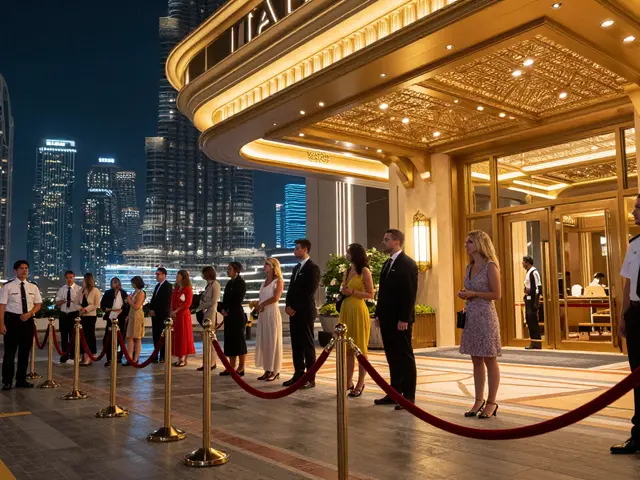
Inside a club, the atmosphere is much more relaxed. However, remember that the staff and bouncers are the gatekeepers. Being respectful and following the dress code is the fastest way to get on the VIP list. Most top-tier spots expect "smart casual" or "luxury" attire. If you show up in a t-shirt and flip-flops, you'll be turned away long before your identity becomes a topic of conversation.
Avoid any activity that could be seen as promoting a political cause or organizing an unauthorized gathering. The party scene thrives because it stays focused on music, dance, and socializing. As long as the goal is to have a great night out, you'll find that the city is surprisingly welcoming.
Navigating the Day-to-Night Transition
The party doesn't just start at midnight. Many of the best queer-friendly experiences start at 11:00 AM at the beach clubs. These spots allow you to enjoy the sun, a great DJ set, and a crowd that is predominantly European and American, making it much easier to find fellow LGBTQ+ travelers. Starting your day at a high-end beach club is the perfect way to gauge the mood of the city and meet people who can point you toward the more exclusive nighttime events.
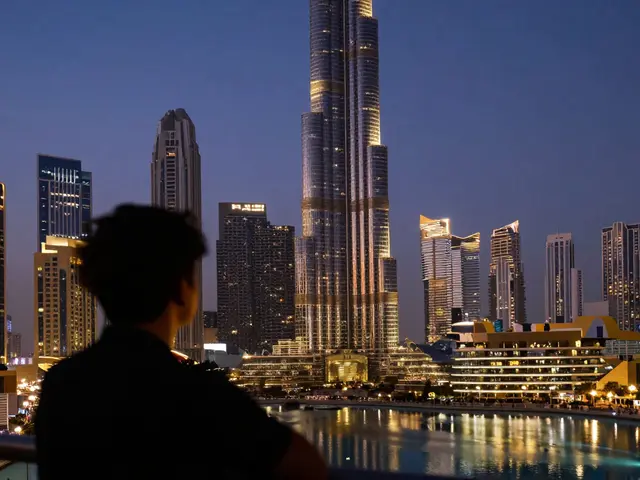
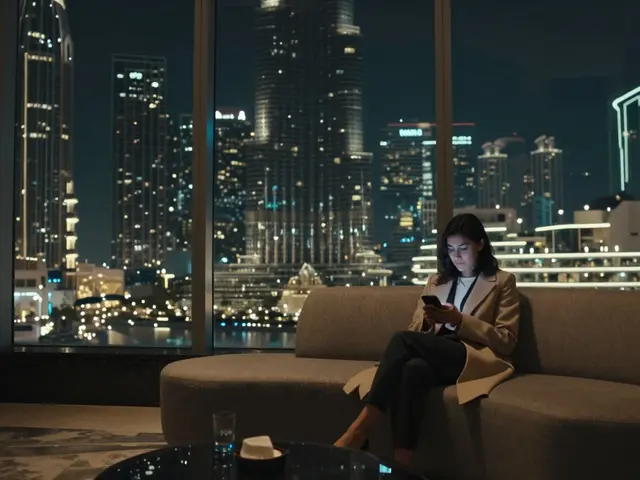
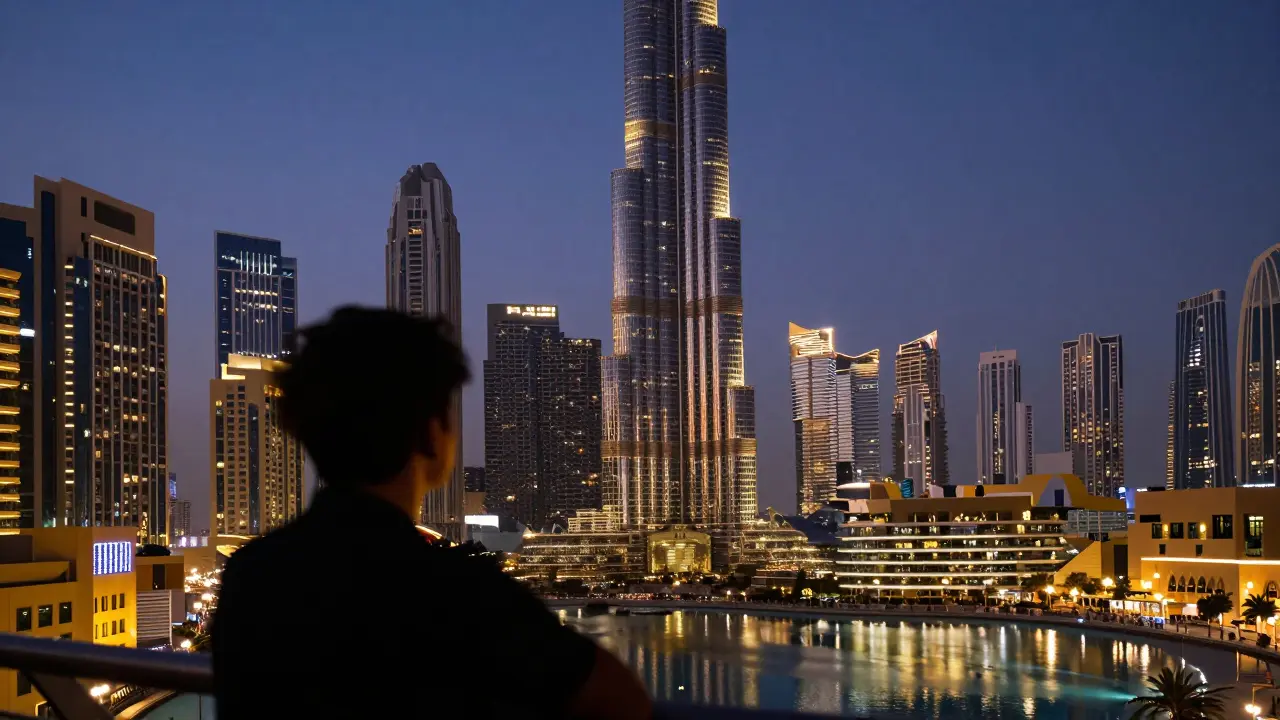
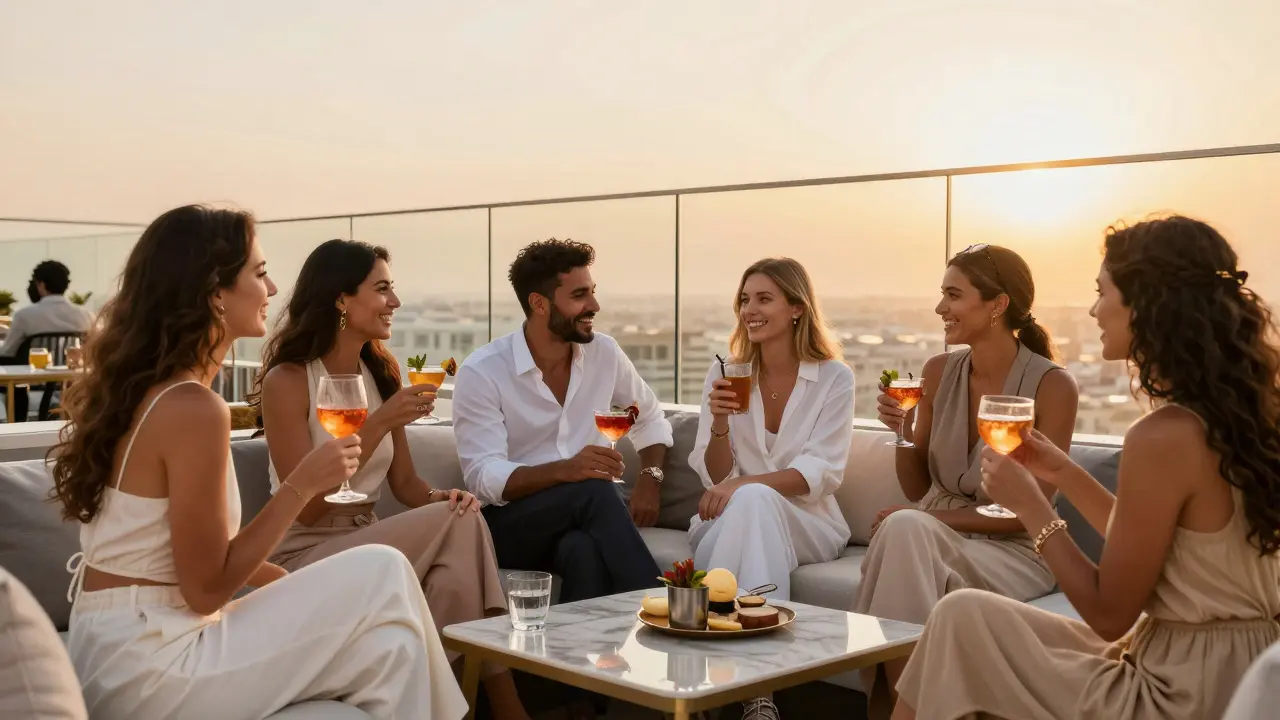
When the sun goes down, the energy shifts to the rooftops. Dubai's skyline is a major part of the appeal, and many rooftop lounges operate as "safe spaces" because they cater to an elite, global clientele. These venues provide the perfect backdrop for a cocktail before heading to a more intense dance club. The movement from a sandy beach to a glass-walled skyscraper is the quintessential Dubai experience.
Practical Tips for the First-Timer
If this is your first trip to the UAE, don't let the headlines intimidate you, but do stay informed. Always carry a copy of your passport (or a digital version) and keep a trusted contact updated on where you are. While the nightlife is liberal, the laws outside the club are strict. Stick to licensed venues for alcohol and avoid any street-level activities that seem sketchy.
Transport is easy; just use Careem a multi-service super-app providing ride-hailing and delivery services in the Middle East or Uber the global ride-sharing platform used for transport within Dubai's urban areas. These services are discreet, professional, and will get you from the Marina to the Design District without any hassle.
Is it legal to be LGBTQ+ in Dubai?
Same-sex relations are technically illegal under UAE law. However, the authorities generally do not interfere in the private lives of consenting adults or tourists, provided there is no public disturbance or promotion of activities that contradict local laws. Discretion is the key to a smooth visit.
Are there specific 'Gay Bars' in Dubai?
No, there are no officially designated gay bars. Instead, the community frequents inclusive lounges, specific hotel bars, and private party events. These spots are known within the community but aren't marketed as LGBTQ+ venues to the general public.
What is the safest way to find queer parties?
The safest and most common way is through social apps like Grindr or by networking with other travelers. Once you make a few connections, you'll likely be invited to the private WhatsApp groups where the real event schedules are shared.
Can I wear rainbow clothing or accessories?
While you might see the occasional rainbow accessory in tourist areas, it's generally recommended to keep it subtle. In a club or a private party, it's perfectly fine. In a government building or a traditional market (Souk), it's better to stick to neutral clothing to avoid unwanted attention.
How strict is the dress code for these parties?
Very strict. Most high-end venues in Dubai prioritize aesthetics. Men should typically wear collared shirts and closed-toe shoes. Women's fashion is more flexible but should remain "chic." If you are attending an underground party, the dress code may be more "techno-industrial," but avoid anything that looks sloppy.