Traditional Arabic Culture in Dubai: What You Need to Know
Thinking about Dubai? It’s not just skyscrapers and shopping malls – there’s a rich Arabic culture that shapes everyday life. Knowing a few basics helps you blend in, enjoy local spots, and avoid unwanted faux pas. Below you’ll get the practical stuff most visitors overlook.
Everyday Customs and Etiquette
First off, greetings matter. A simple "Salam Alaikum" (peace be upon you) goes a long way. When shaking hands, use your right hand – the left is considered unclean in many Arab traditions. If you’re invited into a home, you’ll likely be offered coffee or tea; accept it, even if just a sip, as a sign of respect.
Public behavior follows a modest line. Hold back loud laughter, avoid public displays of affection, and dress modestly in traditional neighborhoods. For men, shorts above the knee and sleeveless tops are okay in tourist zones, but in historic districts, opt for long trousers and shirts with sleeves.
Festivals, Food, and Dress
Ramadan is the biggest cultural event. During daylight hours, Muslims fast, so restaurants may be closed or serve limited menus. Nighttime, however, bursts with special meals called "Iftar" – perfect for trying dates, soups, and hearty grills. If you’re invited, bring a small gift like sweets or a fruit basket.
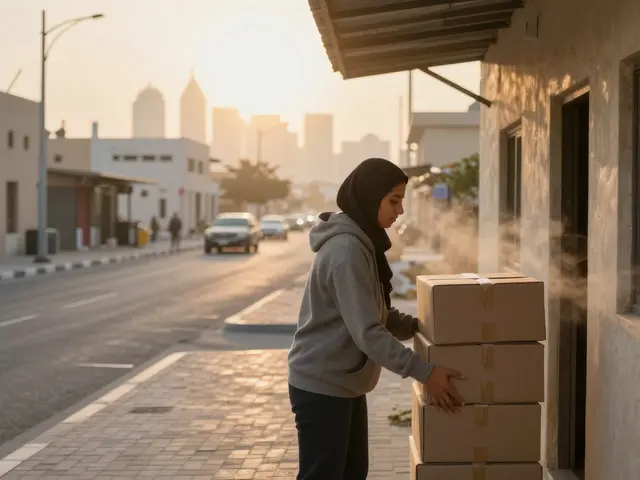
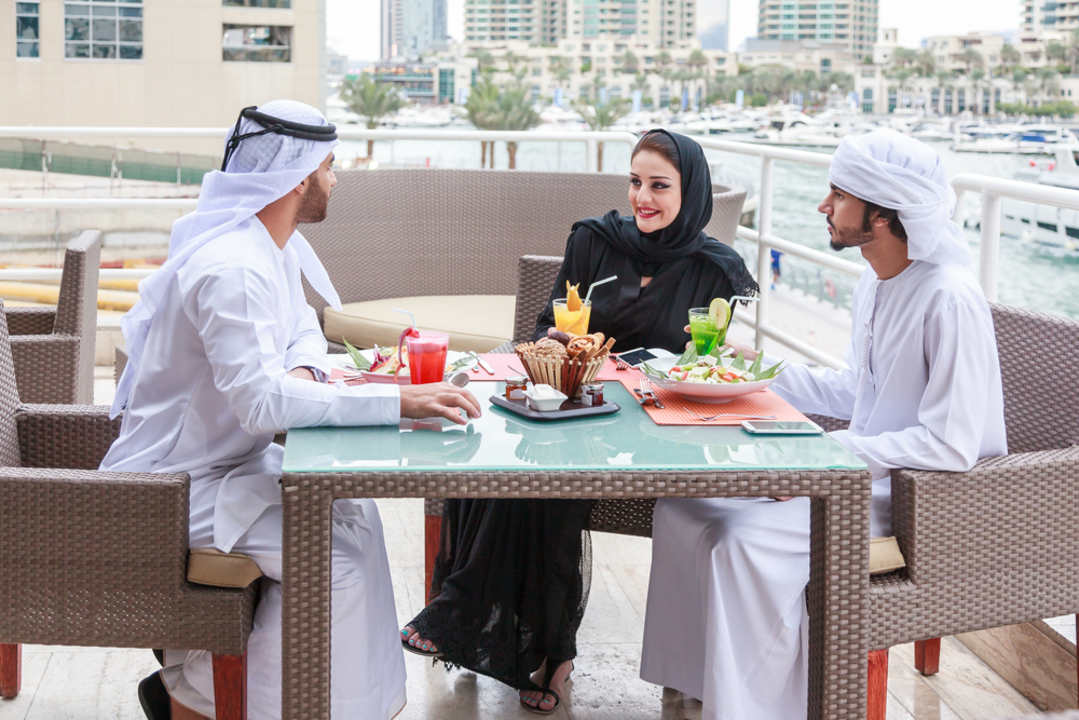
Traditional dress is colorful and comfortable. Men wear a "kandura" (white robe) and women a "abaya" (black cloak) over regular clothes. You don’t have to wear these, but covering shoulders and knees when visiting mosques shows good manners. Shoes come off at the entrance, so wear easy‑to‑remove footwear.
Food is a cultural glue. Look for dishes like "machboos" (spiced rice with meat), "shawarma", and "luqaimat" (sweet dumplings). Street vendors serve quick bites, but sit‑down restaurants give you a chance to chat with locals and learn the stories behind each plate.
When bargaining in souks, smile and keep the tone light. Start with about half of the asking price and negotiate up – it’s part of the shopping experience. If a seller says "no" firmly, respect it and move on; pushing too hard can be seen as rude.
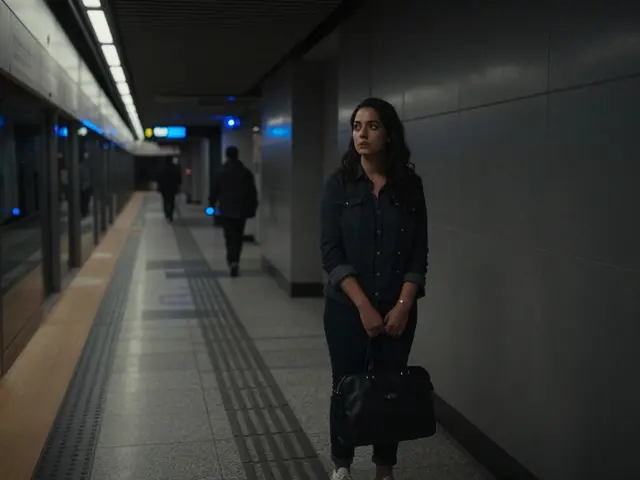
Transport etiquette is simple. Give up seats for elders, pregnant women, and those with disabilities. In taxis, it’s polite to say "thank you" when the driver helps with luggage. Avoid eating or drinking in the metro – it’s considered disrespectful.
Lastly, remember that Dubai is a blend of modernity and tradition. While high‑rise hotels and clubs showcase a global vibe, the underlying Arabic culture remains strong. By respecting the basics, you’ll enjoy a smoother, richer visit and maybe even make a few local friends along the way.
How to Incorporate Traditional Arabic Culture into Your Bachelor Party in Dubai
My latest blog post explores the unique idea of incorporating traditional Arabic culture into a bachelor party in Dubai. I've shared some amazing ways to blend in the rich heritage and customs, such as hosting the party in a Bedouin-style tent, indulging in traditional Arabic food and music, and experiencing the thrill of activities like camel riding and falconry. With Dubai's stunning desert landscape as the backdrop, this fusion of modern celebrations and time-honored traditions is sure to make the bachelor party an unforgettable experience. Don't miss out on these fantastic tips on making your pre-wedding festivities a perfect blend of East and West!