Most people think of Dubai as a glittering skyline, luxury malls, and five-star hotels. But behind the postcard images, there’s a quieter, darker story that rarely makes the headlines: how women, foreign workers, and even locals navigate daily life under the shadow of sexual harassment and assault. The truth isn’t what you see on tourism ads. It’s what you hear in hushed tones from expat nurses, domestic workers, and university students who’ve learned to avoid certain streets, ride home in groups, or stay silent because speaking up could cost them their jobs-or worse.
What Happens When You Report It
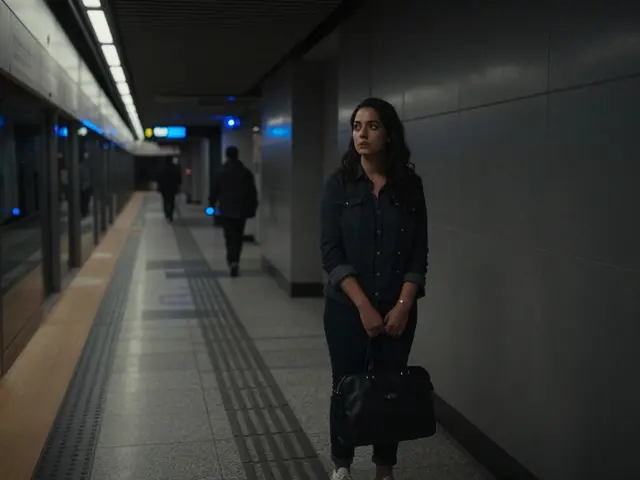
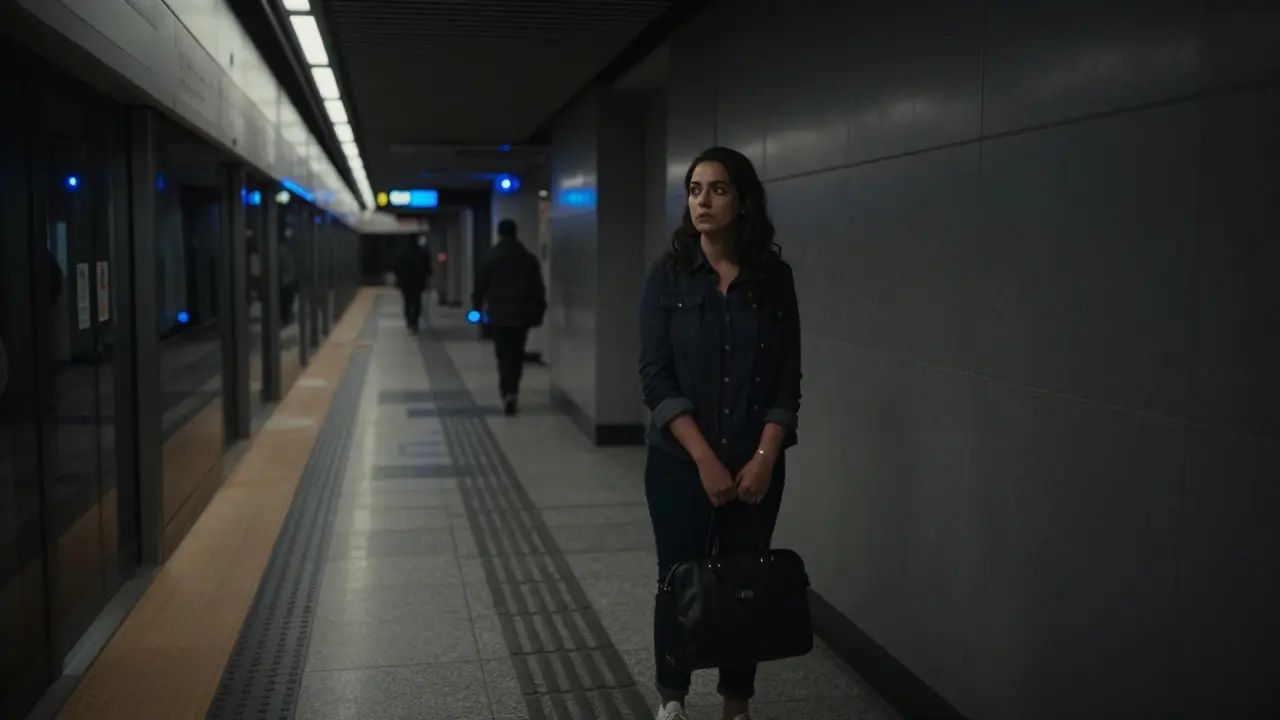
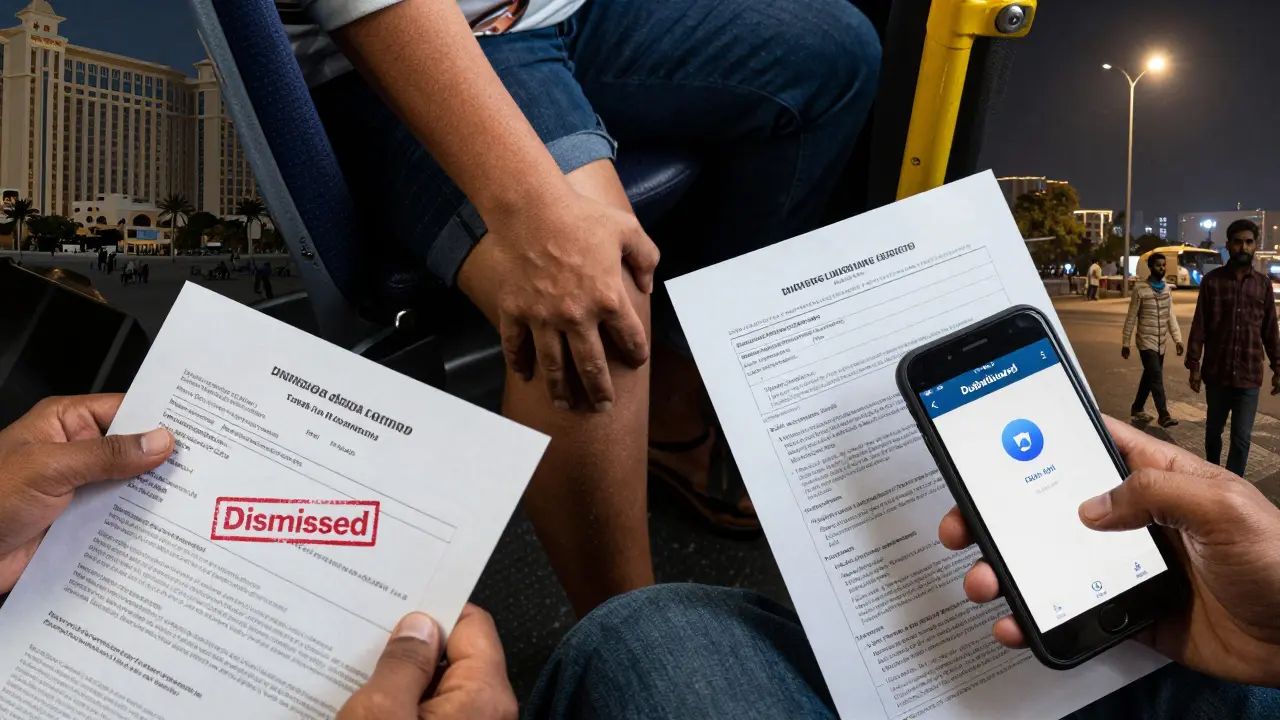
In Dubai, reporting sexual harassment isn’t as simple as calling the police. The legal system requires a victim to provide clear evidence, often in the form of eyewitnesses or video footage. Without it, cases are routinely dismissed. In 2023, the Dubai Police reported 1,240 cases of sexual assault. That number sounds high-but human rights groups estimate the real figure is closer to 8,000. Why? Because most victims never report.One woman, a Canadian teacher working at an international school, was grabbed by a man on a Dubai Metro platform in 2024. She screamed. People around her looked away. When she filed a report, police asked for CCTV footage. The cameras didn’t cover the exact spot. They asked if she knew the man’s name. She didn’t. They told her to come back if she remembered anything. She never did.
There’s also a cultural stigma. Many women are told to avoid "drawing attention"-which often means not speaking out. A 2022 survey by the Dubai Women’s Council found that 68% of women who experienced harassment didn’t tell anyone, fearing they’d be blamed. "They said I was wearing too short a skirt," one respondent wrote. "I was walking home from work. It was 7 p.m."
Who’s Most at Risk
The people most vulnerable aren’t tourists. They’re the ones who live here quietly: domestic workers, low-wage laborers, female students, and single women living alone. According to the International Labour Organization, over 80% of female domestic workers in the UAE report some form of unwanted touching or verbal harassment from employers or male family members. Few have legal recourse. Many are on employer-sponsored visas, meaning if they complain, they can be deported.Even university students aren’t safe. In 2023, a group of female students at the American University of Dubai started an anonymous online forum called "Dubai Safe Walks." Within three months, it had over 12,000 entries. One post read: "I took the bus home at 11 p.m. A man sat next to me and put his hand on my thigh. I didn’t say anything. I didn’t know who to trust."
Why the Silence Persists
The legal framework in the UAE doesn’t help. Article 357 of the UAE Penal Code criminalizes "indecent exposure," but it doesn’t define sexual assault clearly. It also allows for punishment of victims if they’re found to have "provoked" the incident-often based on clothing, time of day, or location. In one case, a woman was fined for "disturbing public order" after reporting a rape because she was seen talking to a male colleague at night.There’s also fear of family shame. In many cultures, including those represented in Dubai’s population, a woman’s reputation is tied to her perceived purity. Reporting an assault can mean losing family support, being disowned, or being forced into marriage to "restore honor."
What’s Being Done-And What’s Not
Some progress exists. In 2022, Dubai launched the "No More Harassment" campaign, distributing flyers and public service announcements. But they were mostly in English and Arabic, ignoring the languages of migrant workers from South Asia and Africa. The campaign didn’t include training for police officers on trauma-informed responses. It didn’t create safe reporting channels for undocumented workers.There’s a women’s safety app called "DubaiGuard," launched in 2024, that lets users send their location to trusted contacts. It’s free and has over 200,000 downloads. But it doesn’t connect to law enforcement. If you’re in danger, it doesn’t call the police. It just texts your friend. That’s not safety. That’s a Band-Aid.
Meanwhile, the government continues to prioritize tourism over citizen protection. In 2025, Dubai allocated $1.2 billion to expand its luxury hotel district. It spent $3 million on public safety campaigns. That’s less than 0.3% of the tourism budget.
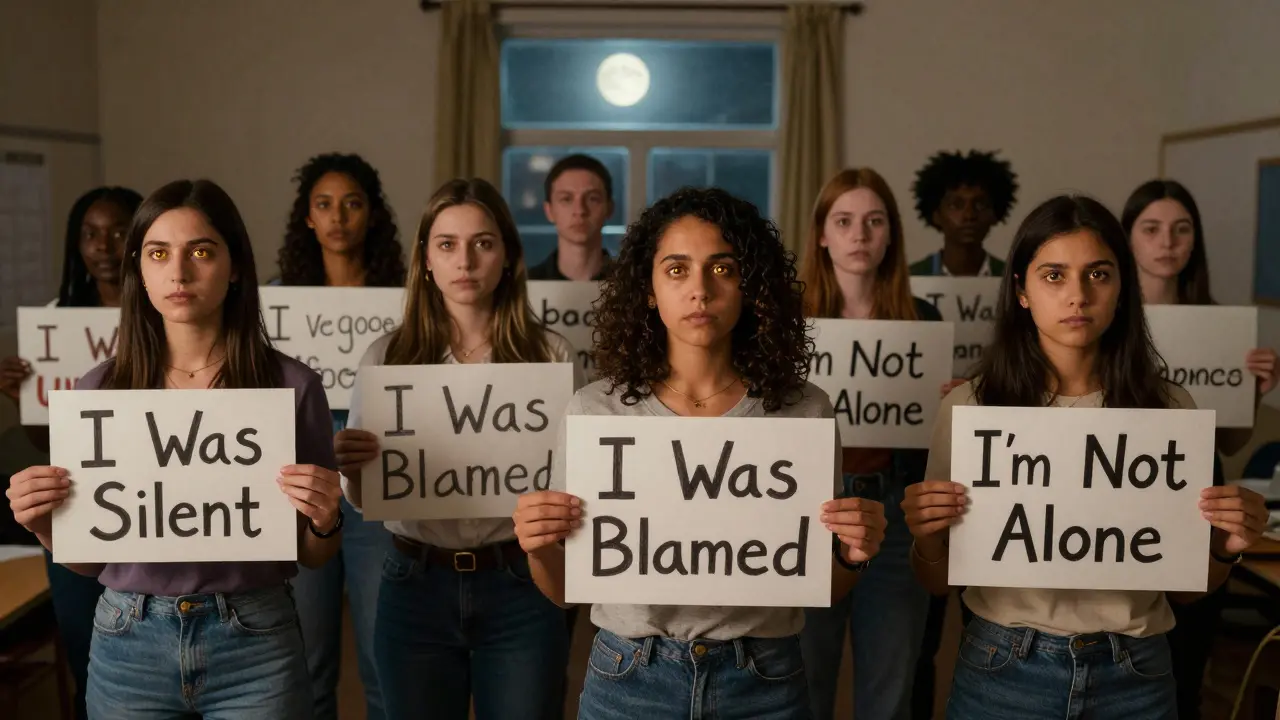
What Needs to Change
Real change needs three things: legal reform, cultural shift, and institutional accountability.First, the law must be rewritten. Sexual assault must be defined clearly and independently of "morality" or "provocation." Victims shouldn’t have to prove they were "innocent." The burden of proof must shift from the victim to the accused. Evidence like audio, video, or medical reports should be enough-no eyewitnesses required.
Second, education must start early. Schools should teach consent, bystander intervention, and gender equality. Right now, most sex education in Dubai is limited to religious teachings about modesty. There’s no curriculum on personal boundaries or how to respond to harassment.
Third, independent oversight is needed. Right now, police handle reports internally. There’s no independent body to review how cases are handled. A civilian review board, made up of women, legal experts, and NGO representatives, could bring transparency. They could publish annual reports showing how many cases were accepted, dismissed, or prosecuted.
And finally, protection for migrant workers must be built into visa policy. No one should fear deportation for reporting abuse. Temporary legal status should be guaranteed for victims while investigations are ongoing.
What You Can Do
If you live in Dubai, you can help. Don’t stay silent when you see something. If a woman is being followed on the street, walk with her. If a coworker makes a crude comment, call it out. If you’re a manager, create a policy that protects employees who report harassment. If you’re a tourist, don’t assume the city is safe for everyone. Ask questions. Listen to local women. Support organizations like the Dubai Women’s Association or the UAE chapter of Human Rights Watch.Change won’t come from billboards or hashtags. It comes from people refusing to look away. It comes from one person speaking up-and another believing them. It comes from turning quiet suffering into collective action.
Is sexual harassment illegal in Dubai?
Yes, but the laws are vague and inconsistently enforced. Sexual assault is technically illegal under UAE Penal Code Articles 357 and 358, but prosecution requires strong evidence and often depends on whether the victim is seen as "morally innocent." Many cases are dismissed if the woman was alone at night, dressed in "revealing" clothing, or didn’t have witnesses.
Can foreign women report assault without fear of deportation?
Not reliably. Women on work or dependent visas often fear that reporting an assault will lead to their visa being canceled-especially if the perpetrator is their employer. There is no legal protection guaranteeing visa status during investigations. Some NGOs offer temporary legal aid, but access is limited and not widely known.
Why don’t more women report sexual assault in Dubai?
Fear of blame, shame, retaliation, and legal consequences. Many women are told they "provoked" the attack by their clothing or behavior. Others fear family dishonor. Police sometimes ask invasive questions about personal life instead of focusing on the crime. The system isn’t designed to protect victims-it’s designed to avoid scandal.
Are there any safe spaces for women in Dubai?
Some exist, but they’re not official. Women’s groups organize walking groups, share safety tips through WhatsApp, and create private online forums like "Dubai Safe Walks." A few women-only cafes and gyms offer safe environments. But there are no government-run safe zones, emergency shelters, or 24/7 crisis centers for victims of sexual violence.
How does Dubai’s approach compare to other Gulf countries?
Dubai is slightly more visible than some neighbors-like Saudi Arabia before recent reforms-but it lags behind countries like Qatar and Bahrain in terms of legal clarity and victim support. Qatar has a dedicated hotline and legal aid for foreign workers. Bahrain has a national task force on gender-based violence. Dubai has awareness campaigns-but no systemic reform. The gap between image and reality is wider here than most admit.