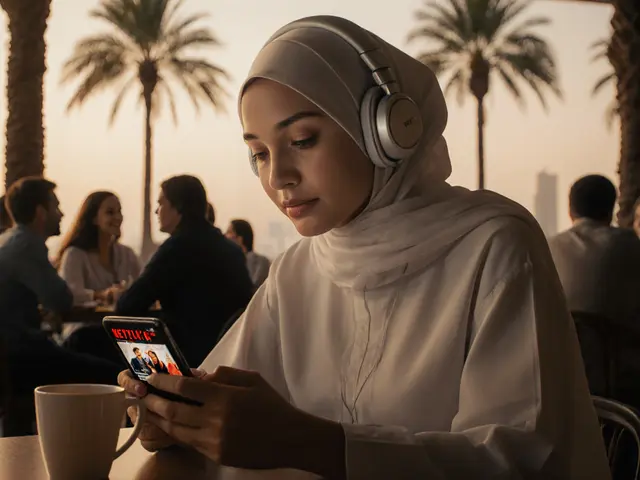
Most people assume Dubai is all about luxury hotels, desert safaris, and sky-high malls. But beneath the glitter, there’s a quiet, deeply held set of beliefs about sex that shape how people live, date, and connect. If you’re visiting or living here, understanding this isn’t just about avoiding trouble-it’s about seeing the city for what it really is.
Sex is private, not forbidden
In Dubai, sex isn’t talked about openly in public, but it’s not absent from private life. Unlike places where sex is either celebrated or shamed, here it’s treated like a personal matter-something kept behind closed doors. This isn’t because people are repressed. It’s because privacy is a core value. Marital intimacy is accepted as normal. Outside of marriage, it’s illegal and socially unacceptable. The law reflects this: public displays of affection, even holding hands, can lead to fines or deportation for foreigners.
Many expats assume the strict rules mean people are sexually frustrated. That’s not true. Couples marry young here. Relationships often move quickly from dating to engagement. There’s a strong cultural emphasis on family, and sex is seen as part of building that. A 2023 survey by the Dubai Statistics Center found that 78% of Emirati adults were married by age 30. That’s higher than in most Western countries.
Religion shapes behavior, not just laws
Islam is the foundation of social norms in Dubai. But it’s not the only influence. There’s also a deep-rooted tribal code that values honor, modesty, and family reputation. These aren’t just religious ideas-they’re lived experiences. A woman’s behavior isn’t judged just by what she does, but by how it reflects on her family. A man’s reputation is tied to how he protects his female relatives.
This doesn’t mean people don’t have relationships before marriage. They do. But they’re careful. Many couples meet through family connections, not apps. Online dating exists, but it’s mostly used by expats. Emiratis tend to use matchmaking services or rely on trusted friends. The goal isn’t just romance-it’s compatibility that won’t damage family ties.
What foreigners get wrong
One of the biggest misunderstandings is that Dubai is a place where rules are ignored. Some tourists think, “If I’m not Emirati, I can do what I want.” That’s dangerous. The police don’t care if you’re from Canada or Australia. If you kiss in public, you risk arrest. If you’re caught with someone you’re not married to in a hotel room, you could face jail time.
Another myth is that Dubai is sexually liberal because of its Western expat population. There are thousands of foreigners here, but they don’t set the tone. Local norms dominate. Even in areas like Jumeirah or Downtown, where expats live, the rules are enforced the same way. You can’t assume your home country’s rules apply here.
Some expats try to justify breaking rules by saying, “Everyone does it.” That’s not true. Most locals, even young ones, avoid public affection. A 2024 study by the American University in Dubai found that 92% of Emirati students said they never held hands in public, even with partners. For them, it’s not about fear-it’s about respect.
How relationships actually work
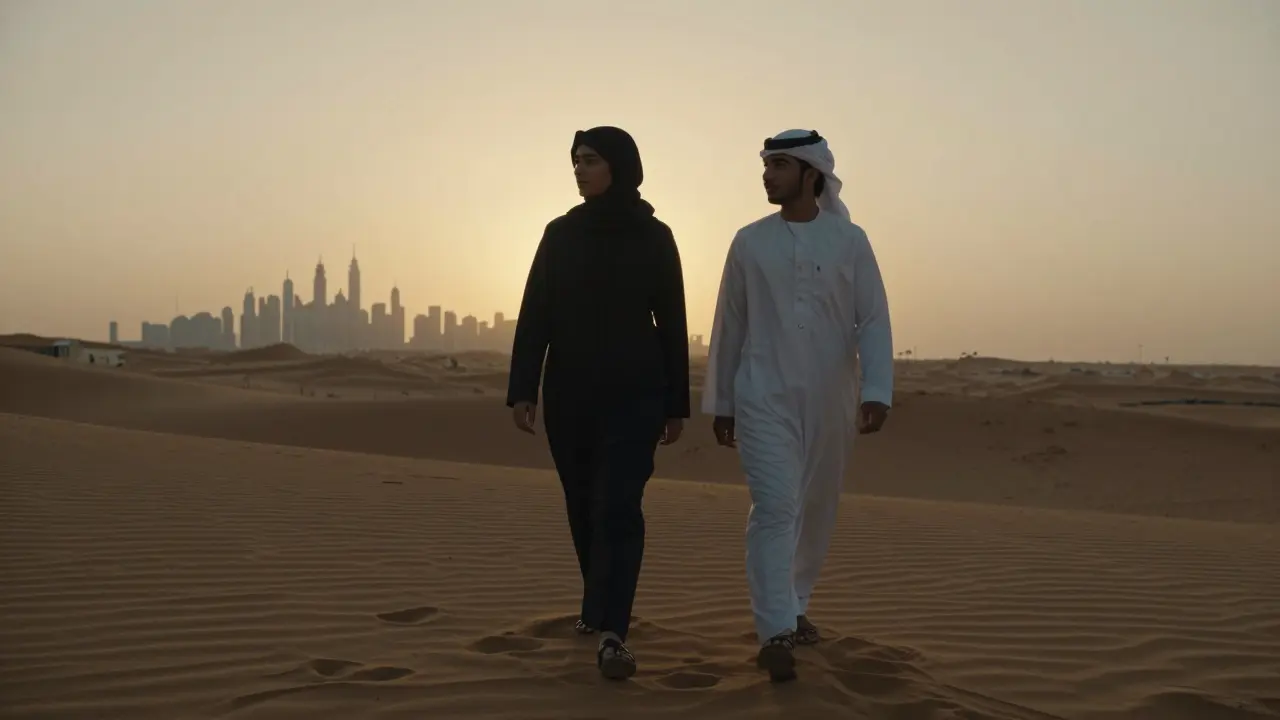
Dating in Dubai doesn’t look like what you see in movies. There are no casual hookups in clubs. There’s no “friends with benefits.” Relationships follow a clear path: introduction → courtship → engagement → marriage. Even among expats who live here long-term, this structure influences behavior.
Many couples meet at work, through mutual friends, or at cultural events. Once interest is mutual, families are usually brought in early. This isn’t old-fashioned-it’s practical. Marriages are often seen as alliances between families, not just two individuals. Financial stability, education, and family background matter as much as attraction.
For single people, especially women, social circles are tight. There aren’t many places to meet people outside of work or family. That’s why community events, volunteering, and language classes are popular. They’re safe spaces to connect without crossing cultural lines.
The role of gender
Gender roles are clearly defined, but they’re changing. Young Emirati women are more educated than ever. Over 70% of university students in the UAE are female. Many work in law, medicine, and tech. But societal expectations still pressure them to marry and have children by their early 30s.
Men are expected to be providers. There’s strong pressure to own a home, have a steady job, and support a family. This can make dating stressful. A man might delay a relationship until he’s financially secure-even if he’s emotionally ready.
There’s also a quiet tension between tradition and modernity. Many young people want freedom, but they don’t want to shame their families. So they find ways to navigate both. Some use private apartments for dates. Others wait until they’re abroad to be more open. It’s not rebellion-it’s adaptation.
What happens when cultures collide
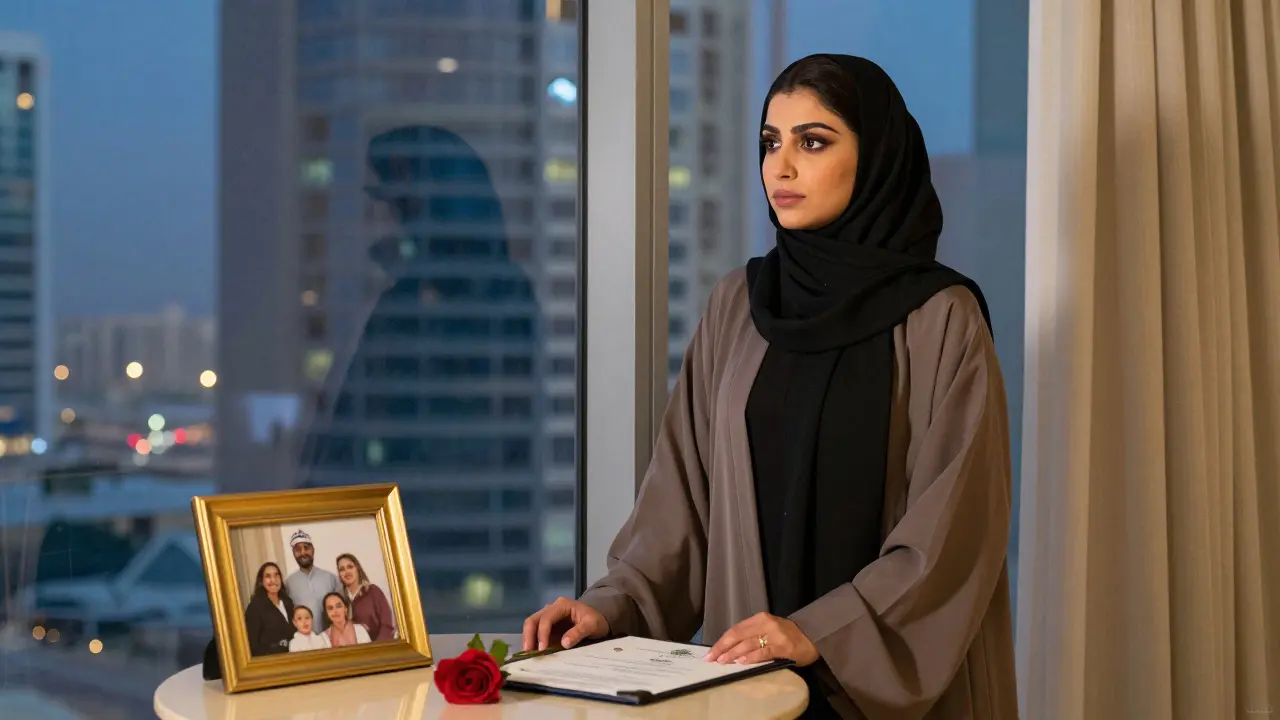
Expats who stay long-term often learn to adjust. Those who don’t end up isolated or in trouble. The ones who thrive are the ones who respect the rules without pretending to be something they’re not.
For example, a British woman working in Dubai might date a local man. She knows they can’t kiss in public, so they meet at cafes, go to museums, or take long drives in the desert. They talk about their values. She learns why his family matters so much. He learns why she values independence. They build something real-on a middle ground.
That’s the real story of sex in Dubai. It’s not about repression. It’s about balance. People want connection, love, and intimacy-but they want it in a way that protects their identity, their family, and their future.
What you need to know before you go
If you’re visiting or moving to Dubai, here’s what matters:
- Public affection = risky. Even holding hands can draw attention.
- Don’t assume expat areas are exceptions. Rules apply everywhere.
- Marriage is the only legal context for sex. Cohabitation outside marriage is illegal.
- Respect local customs-even if they feel outdated. You’re a guest.
- Use apps like Tinder or Bumble with caution. Many locals avoid them.
There’s no need to be afraid. Dubai is safe, welcoming, and full of kind people. But you need to understand the rules before you step into someone else’s world.
Why this matters beyond the headlines
When you strip away the stereotypes, Dubai’s approach to sex isn’t about control-it’s about meaning. Sex is tied to family, identity, and legacy. It’s not just physical. It’s emotional, social, and spiritual.
That’s why people here don’t see the rules as oppressive. They see them as protective. They’re not trying to stop love. They’re trying to make sure it lasts.
Understanding this doesn’t mean you have to agree with it. But it does mean you can live here without conflict. And that’s worth more than any tourist photo ever could.
Is it illegal to have sex outside of marriage in Dubai?
Yes. Under UAE law, sexual relations outside of marriage are illegal, regardless of nationality. This includes cohabitation, casual relationships, and even sleeping in the same hotel room if you’re not married. Enforcement varies, but violations can lead to fines, imprisonment, or deportation.
Can foreigners date Emiratis?
Yes, but it’s complicated. Many Emirati families prefer their children to marry within the culture or religion. Relationships between foreigners and Emiratis often require family approval and can take years to progress. Public displays of affection are strongly discouraged, and relationships are typically kept private.
Are dating apps popular in Dubai?
Dating apps are used mostly by expats and younger Emiratis who are more open to Western norms. However, many Emiratis avoid them due to social stigma. Apps like Tinder and Bumble are accessible, but users often report being blocked or reported for violating cultural norms. Some locals use niche apps designed for Muslim or Arabic-speaking users.
Why is public affection frowned upon in Dubai?
Public affection is seen as a breach of privacy and modesty, values deeply rooted in Islamic teachings and tribal traditions. In Emirati culture, relationships are considered personal and sacred. Showing affection in public is viewed as disrespectful to family honor and societal norms, not just religious ones.
Do young Emiratis want more sexual freedom?
Many young Emiratis do desire more personal freedom, but they often express it privately or through subtle changes-like delaying marriage to focus on education or careers. Open rebellion is rare because of strong family ties. Instead, they seek balance: respecting tradition while carving out space for individual choice, usually within the boundaries of marriage.
If you're planning to live in Dubai, don’t try to change the culture. Learn it. Respect it. And you’ll find a city that’s far more thoughtful-and far more human-than the headlines suggest.