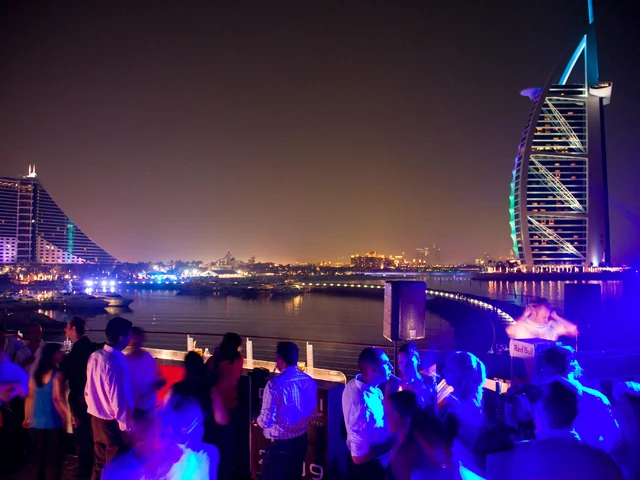
Dubai isn’t just skyscrapers and luxury malls. For sexual minorities, it’s a place where survival often means silence. Same-sex relationships are illegal under UAE law. Public displays of affection between same-sex couples can lead to arrest, fines, or deportation. Yet, beneath the surface, a quiet network of people is finding ways to live, connect, and even thrive. This isn’t a story of liberation-it’s a story of adaptation.
Legal reality: No rights, no protection
Article 354 of the UAE Penal Code criminalizes sexual relations outside marriage, which includes any same-sex activity. The law doesn’t distinguish between private or public acts. Even consenting adults in private can be prosecuted if reported. Penalties range from imprisonment to deportation for expatriates. There’s no legal recognition of same-sex relationships, no anti-discrimination protections in housing, employment, or healthcare. Transgender individuals face additional barriers: changing legal gender on official documents is nearly impossible without court approval, and even then, it’s rarely granted.
Police don’t actively hunt down LGBTQ+ people, but they don’t protect them either. If someone is attacked because of their sexual orientation, reporting it often leads to the victim being charged instead. In 2023, a foreign national was deported after a neighbor reported seeing two men kissing in their apartment. The case made no headlines internationally, but it was widely discussed in expat WhatsApp groups.
Expats vs. locals: Different struggles, same risks
Expatriates make up about 88% of Dubai’s population. Many come from countries where LGBTQ+ identities are accepted. They arrive expecting freedom-and quickly learn the rules are different. Some try to blend in, dating in secret, using apps like Grindr with extreme caution. Others leave after a few months. A 2024 survey by an anonymous LGBTQ+ expat group found that 62% of respondents had considered leaving Dubai because of safety concerns.
Local Emiratis face even greater pressure. Family honor, religious expectations, and social stigma create a minefield. Coming out to family can mean being cut off, sent abroad for "treatment," or forced into marriage. There are no known public LGBTQ+ activists from the Emirati community. Those who speak out risk prison or exile. A few have fled to Canada or the UK, but most stay silent, living double lives.
Hidden spaces: Where connection happens
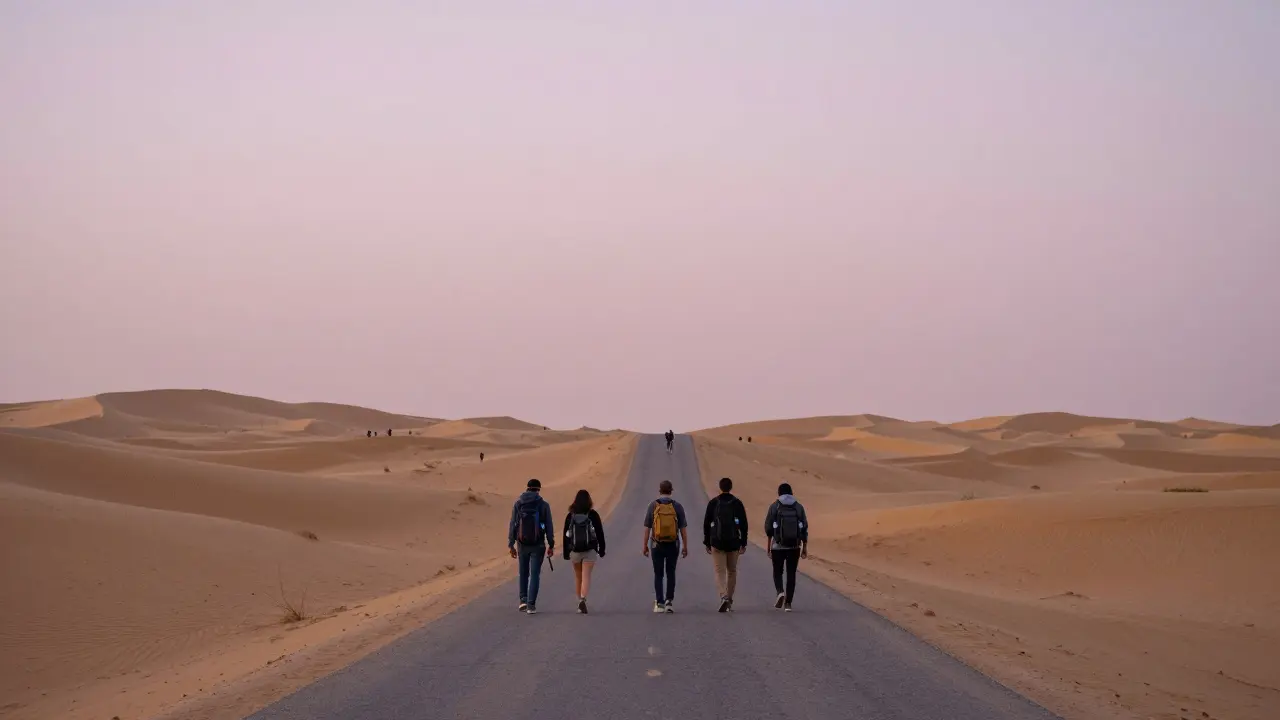
Despite the risks, community exists. It’s not in clubs or parades-it’s in private homes, encrypted messaging apps, and discreet social gatherings. Some expat women host dinner parties under the radar. Others organize hiking trips outside the city, where the desert offers anonymity. A small group of therapists and counselors, mostly foreign nationals, offer confidential support. They don’t advertise. They rely on word of mouth.
There’s also a growing digital underground. Telegram channels with thousands of members share advice on how to avoid detection, where to find safe medical care, and how to handle police encounters. One channel, called "Dubai Safe Zone," became so popular it was shut down by authorities in late 2024. It was quickly replaced by three new ones.
Opportunities in silence: Building resilience
Challenges don’t erase opportunity. Many sexual minorities in Dubai have built lives that are rich in meaning, even if hidden. Some work in tech, finance, or healthcare-industries where performance matters more than identity. Others run small businesses: art galleries, wellness studios, boutique cafes-places where they can create inclusive environments without drawing attention.
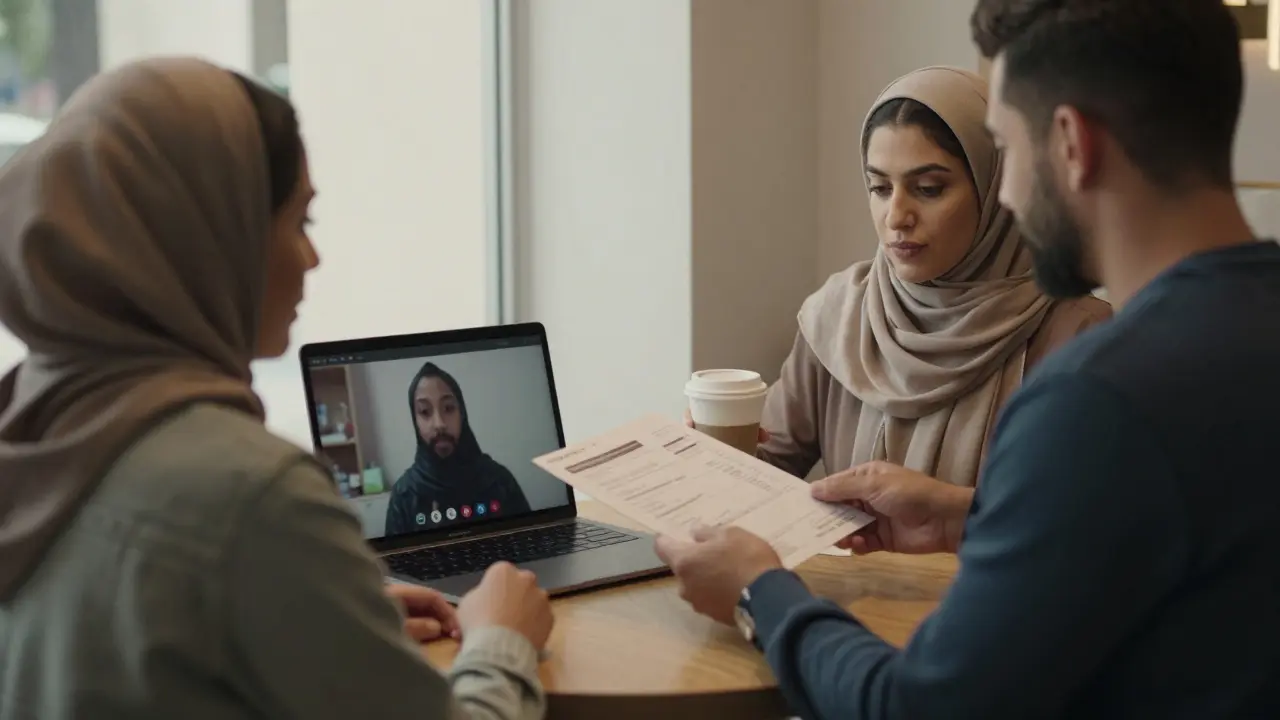
There’s also a quiet form of activism. A nurse in Dubai has been quietly helping transgender expats access hormone therapy through private clinics. A filmmaker, living in Dubai under a pseudonym, is editing a documentary about queer expats-interviews done over Zoom, faces blurred, voices altered. These aren’t grand protests. They’re acts of persistence.
The city’s economic growth has created space for pragmatism. Businesses know international talent is valuable. Some multinational companies quietly protect LGBTQ+ employees, offering relocation support or legal aid if needed. Dubai’s tourism board doesn’t promote LGBTQ+ events, but it also doesn’t stop foreign visitors from being themselves-as long as they stay private.
The changing tide: Slow shifts, not revolutions
Change isn’t coming from the government. But it’s coming from the ground up. Younger Emiratis are more exposed to global ideas through social media. Some are questioning traditional norms, even if they won’t say it aloud. A 2025 study by a Dubai-based university found that 41% of Emiratis under 25 believe same-sex relationships should be decriminalized-up from 23% in 2020.
International pressure plays a role too. When the World Cup in Qatar drew global attention to LGBTQ+ rights in the Gulf, Dubai saw a spike in inquiries from human rights organizations. While no policy changed, hotels and airlines began training staff to handle sensitive situations with discretion. Some hotels now offer rooms with no cameras in the bedroom-a small but meaningful adjustment.
The UAE’s Vision 2030 aims to make Dubai a global hub for innovation and tourism. That goal can’t be fully realized if the city is known as a place where people live in fear. The contradiction isn’t lost on business leaders. They may not speak out, but they’re quietly creating buffers-private medical networks, legal advisory services, relocation funds-for their most valuable employees.
What you need to know before you go
If you’re planning to visit or move to Dubai as a sexual minority, here’s what matters:
- Never** hold hands, kiss, or show affection in public. Even in hotel rooms, avoid leaving evidence that could be reported.
- Use encrypted apps like Signal or Telegram for personal communication. Avoid Facebook or Instagram for dating.
- Know your embassy’s emergency contact. Some embassies have discreet LGBTQ+ support lines.
- Don’t assume your job will protect you. Even at big companies, HR policies rarely cover sexual orientation.
- Carry copies of your passport and visa. If detained, you have the right to contact your consulate.
There’s no such thing as safety in Dubai for sexual minorities-only degrees of risk. But risk doesn’t mean impossibility. Thousands live here, quietly, carefully, and with dignity.
What’s next for sexual minorities in Dubai?
The future won’t be marked by a parade or a law change. It will be marked by small, invisible victories: a teenager finding a therapist who understands, a couple staying together after years of secrecy, a business owner hiring someone because they’re good at their job-not because they fit a mold.
Dubai doesn’t need to become San Francisco to become more humane. It just needs to stop punishing people for being themselves. That shift is already happening-not in courtrooms, but in bedrooms, in apps, in whispered conversations over coffee.
For now, survival is the goal. But survival isn’t the end. It’s the foundation.
Is it safe to be openly gay in Dubai?
No. Same-sex relationships are illegal under UAE law. Public displays of affection between same-sex couples can lead to arrest, fines, or deportation. Even private acts can be prosecuted if reported. There are no legal protections for LGBTQ+ individuals. Safety depends on discretion and avoiding attention.
Can transgender people change their legal gender in Dubai?
Legally, it’s nearly impossible. The UAE does not recognize gender transition on official documents like passports or national IDs. Court approval is required, and approvals are extremely rare. Most transgender individuals live with documents that don’t match their identity, which creates risks in daily life-from airport security to medical care.
Are there LGBTQ+ friendly businesses in Dubai?
There are no openly LGBTQ+-friendly businesses. However, some international hotels, private clinics, and expat-run cafes offer discreet services. Staff may be trained to handle sensitive situations without drawing attention. These places don’t advertise their inclusivity-they rely on word of mouth among trusted networks.
Can I be fired for being gay in Dubai?
Yes. There are no legal protections against workplace discrimination based on sexual orientation. Employers can terminate employees for any reason, including perceived sexual behavior. Many LGBTQ+ expats hide their identity at work. Some multinational companies offer internal support, but this is not guaranteed and rarely documented.
What should I do if I’m arrested for being gay in Dubai?
Remain calm and do not resist. You have the right to contact your country’s embassy or consulate. Do not sign anything without legal advice. Avoid discussing your personal life with police. Many expats have been deported after being detained-sometimes without formal charges. Legal representation is critical, but options are limited. Reach out to your embassy immediately.