Dubai’s skyline gleams with luxury, but beneath the polished surface lies a quiet, persistent economy that doesn’t show up in government reports or tourist brochures. At its heart are women - often foreign workers - who provide intimate services in a city where prostitution is illegal, yet impossible to fully erase. These women aren’t just part of the nightlife; they’re embedded in a network that moves money, influences housing, and connects with other informal sectors like transportation, hospitality, and digital payments.
How the underground economy works in Dubai
There’s no official count, but local law enforcement and NGO reports estimate several thousand women are active in sex work across Dubai. Most aren’t street-based. Instead, they operate through private apartments, hotel rooms rented under fake names, or apps that disguise services as "companionship" or "massage." Payment is usually cash or encrypted digital transfers - no receipts, no paper trail. This invisibility is what makes them part of the underground economy.
Unlike organized crime rings seen in other cities, Dubai’s network is decentralized. Women often work alone or in small groups. They rely on word-of-mouth referrals, encrypted messaging apps like Telegram, and private social media accounts. A single woman might serve 10-20 clients a month, earning between 3,000 and 10,000 AED ($800-$2,700), far more than what she’d make as a waitress, cleaner, or sales assistant.
This income doesn’t just support her. It flows into local landlords who rent out apartments without formal leases, to drivers who transport clients, to grocery stores and pharmacies that sell supplies, and to online platforms that host her profile. It’s a ripple effect - one woman’s work supports dozens of informal jobs.
Who are these women?
Most are foreign nationals - from the Philippines, Ukraine, Russia, Nigeria, and Thailand - on tourist visas, student visas, or expired work permits. Many came to Dubai hoping for domestic or retail jobs, only to find those positions paid too little to survive, let alone send money home. Some were recruited by agents promising modeling or hospitality work. Others stumbled into it after losing their jobs or getting trapped in debt.
They’re not criminals in the traditional sense. Many are mothers sending money to children back home. Some are students paying for university fees. A few are survivors of trafficking, but many are making a choice - however limited - to survive in a city that doesn’t offer them legal options.
They live in constant fear. Police raids happen. Landlords can evict them without notice. Clients can refuse to pay. One woman in Deira told a researcher in 2024 that she changed her phone number every three weeks because her last one was traced by an angry husband who threatened to report her.
The connection to other informal sectors
Sex work in Dubai doesn’t exist in a vacuum. It’s tied to other underground systems.
- Real estate: Landlords in areas like Al Quoz, Jumeirah Lake Towers, and Satwa rent out apartments without contracts. Some specialize in short-term stays for sex workers. Rents are paid in cash, and leases are verbal.
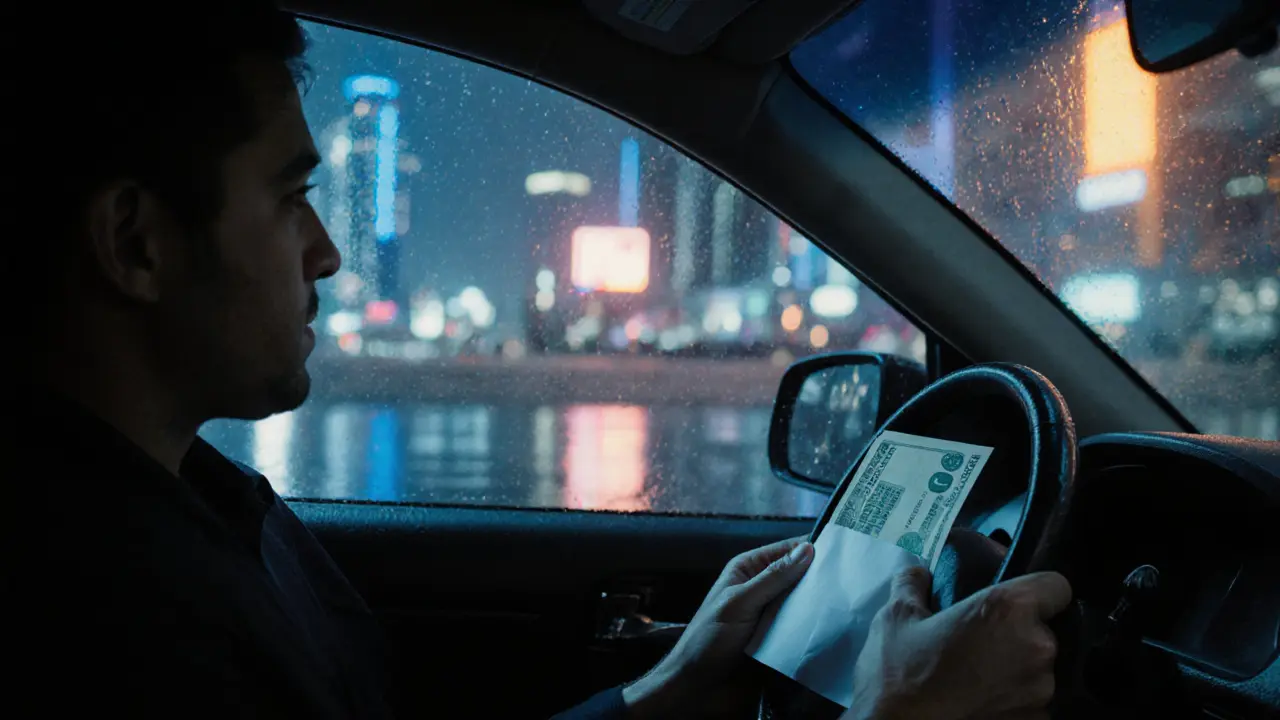
- Transportation: Ride-hailing drivers know the patterns. A driver who regularly picks up clients from certain hotels or apartments often earns extra tips - or discreet cash payments - for silence.
- Digital economy: Instagram, WhatsApp, and Telegram are the main platforms for advertising. Profiles are set to private. Photos are edited to avoid facial recognition. Payments are made through crypto wallets or peer-to-peer apps like Wise or PayNow.
- Healthcare: Many women buy condoms, STI tests, and birth control from pharmacies without prescriptions. Some visit unlicensed clinics that charge cash and don’t ask questions.
These aren’t fringe activities. They’re essential parts of how the city functions for those outside the formal system. Without them, Dubai’s informal economy would shrink - and so would the income of thousands of low-wage workers who depend on it.
Why the government turns a blind eye
Dubai’s authorities don’t publicly acknowledge this economy. But they don’t fully crack down on it either.
Why? Because enforcing the law would mean uprooting a system that keeps the city running smoothly for others. Tourists don’t want to hear about it. Expats don’t want their neighbors reported. Businesses don’t want the spotlight on the hidden labor that supports their profits.
Police raids happen, but they’re selective. They target high-profile cases - women who attract media attention, or those who work in public areas. Most operate quietly, and the system adapts. When one app gets shut down, another pops up. When a building is raided, the women move to another neighborhood.
In 2023, the UAE’s Ministry of Interior admitted to arresting 1,200 people for "moral offenses" - a broad category that includes prostitution. But the number of women arrested is tiny compared to the estimated active population. It’s not about eradication. It’s about control.
The human cost
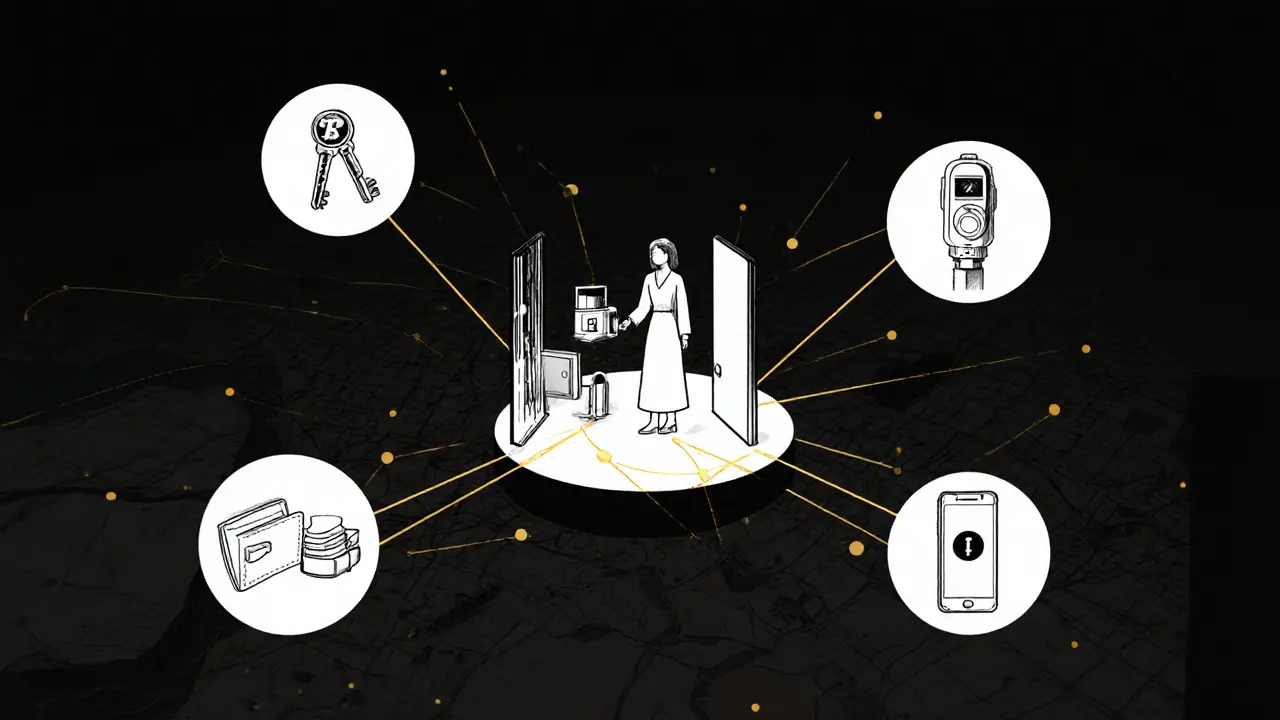
For every woman making money, there are others who are exploited. Some are forced into debt bondage by recruiters who charge exorbitant fees for visas. Others are threatened with deportation if they complain. Mental health issues are common. Trauma is rarely addressed.
There are no government-funded shelters or counseling services for these women. NGOs like the Dubai Women’s Association and the International Organization for Migration offer limited help, but funding is scarce. Most women don’t know where to turn.
One woman, who asked to be called Lina, worked in Dubai for five years. She saved $35,000 and returned to the Philippines to open a small bakery. She still doesn’t tell her family how she earned the money. "They think I was a receptionist," she said. "If they knew, they’d be ashamed. But I’m not. I worked hard. I kept my head down. I didn’t hurt anyone."
What could change?
Legalizing or decriminalizing sex work wouldn’t solve everything - but it would make things safer. It would allow women to report abuse without fear of arrest. It would let them access healthcare without hiding. It would bring some of this underground money into the formal economy through taxes and regulations.
Some experts argue that Dubai could follow Portugal’s model - where selling sex is legal, but buying it is not. That reduces exploitation while protecting workers. Others suggest licensing for private service providers, similar to how massage parlors are regulated in some U.S. states.
But political will is absent. The UAE’s conservative legal framework and its global image as a "family-friendly" destination make reform unlikely in the near term.
For now, the system remains hidden. The women stay quiet. The clients pay. The landlords collect rent. The drivers drive. The apps keep running.
And the underground economy keeps growing - quietly, efficiently, and without anyone officially acknowledging it exists.
Are call girls in Dubai legal?
No, prostitution and related activities are illegal in Dubai and throughout the UAE. Under UAE law, engaging in or facilitating sexual services can lead to imprisonment, fines, and deportation for foreigners. Even advertising or arranging such services - even online - is considered a criminal offense. However, enforcement is inconsistent, and many women operate in the shadows without being caught.
How do sex workers in Dubai find clients?
Most use private digital platforms like Telegram, Instagram DMs, and WhatsApp. They avoid public ads and use coded language - phrases like "companionship," "evening escort," or "travel partner" - to bypass content filters. Some rely on referrals from other workers or past clients. A few use encrypted apps designed for adult services, but these are rare and constantly shut down by authorities.
Do clients get in trouble for hiring sex workers in Dubai?
Yes. Clients can be arrested, fined, or deported - especially if they’re foreigners. While enforcement often focuses on the workers, there are documented cases of foreign men being detained for paying for sex. Hotels and apartments have been raided based on tips, and some clients have been identified through digital footprints like payment records or chat logs.
Where do most sex workers in Dubai come from?
The majority are foreign nationals from the Philippines, Ukraine, Russia, Nigeria, Thailand, and Eastern Europe. Many enter on tourist or domestic worker visas and stay beyond their legal period. Some are recruited under false pretenses - offered jobs as models, nannies, or receptionists - only to be pressured into sex work. A smaller number are students or long-term residents who turned to it out of financial need.
How much money do sex workers in Dubai make?
Earnings vary widely. Most make between 3,000 and 10,000 AED per month ($800-$2,700), depending on location, appearance, language skills, and client base. Those working in luxury hotels or through high-end agencies can earn more. But after paying for rent, transportation, apps, and safety measures like STI tests, many are left with only half of what they earn. That’s still more than most legal jobs available to them.
Is there any support for sex workers in Dubai?
Very little. There are no government programs for sex workers. A few NGOs, like the Dubai Women’s Association and the International Organization for Migration, offer limited legal aid, health screenings, or emergency housing - but they don’t advertise these services and often can’t reach those who need them most. Most women don’t trust authorities and avoid seeking help.
Could Dubai ever legalize sex work?
It’s highly unlikely in the near future. The UAE’s legal system is rooted in conservative Islamic principles, and the government prioritizes maintaining Dubai’s image as a family-friendly, modern city. Legalizing sex work would contradict that branding and face strong opposition from religious and political leaders. Even discussions about decriminalization are rare and usually suppressed.