Dubai doesn’t talk about sex openly. But that doesn’t mean it hasn’t changed-dramatically-over the last 70 years. What you see today-a city of luxury hotels, global tourists, and strict laws-is the result of a quiet, complex evolution. The truth is, sex in Dubai has always been shaped by religion, power, and money. And the story isn’t about repression alone. It’s about adaptation.
Before the Oil: Sex in a Tribal and Maritime Society
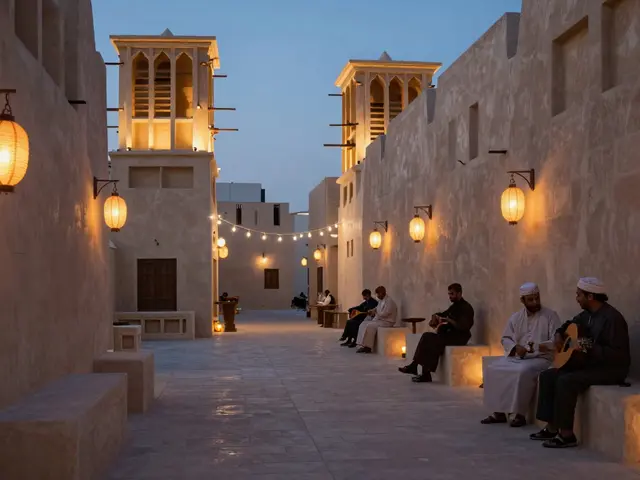
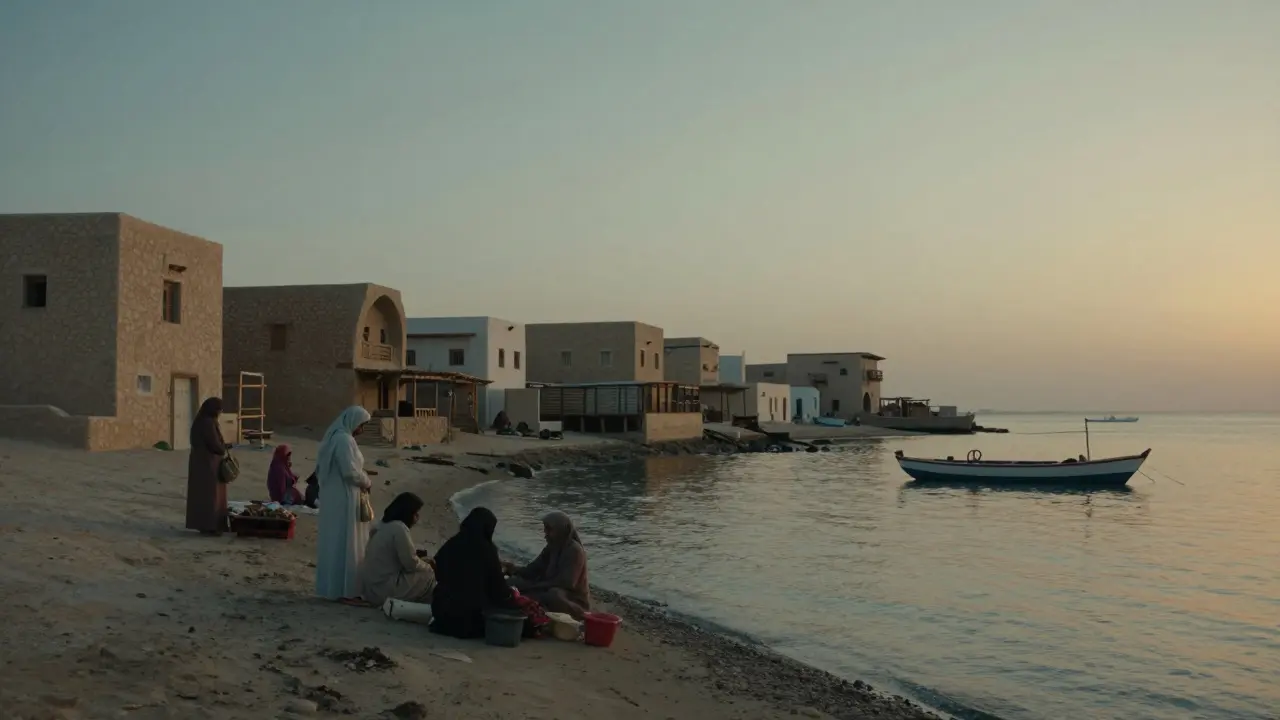
Before Dubai became a skyline of glass towers, it was a fishing and pearling village with a population under 10,000. Life was hard. Families lived close. Marriage wasn’t just romantic-it was economic. Women managed households, traded goods, and sometimes even owned boats. Sex outside marriage? Rare. Adultery? Punishable. But the rules weren’t written in stone like they are now.
Bedouin tribes had their own customs. Temporary marriages, known as nikah mut’ah, were practiced in some areas, though not officially recognized by the dominant Hanbali school of Islam that took hold in the Gulf. Concubinage existed too, especially among wealthy families. Slavery was legal until 1963, and sexual relationships between masters and enslaved women were common, though rarely documented.
There was no public discourse on sex. But there was also no blanket silence. Stories passed down in oral traditions hinted at affairs, elopements, and hidden relationships. Privacy mattered more than purity.
The 1970s: Oil Money, New Rules, and Imported Morality
When oil came in the 1960s, Dubai didn’t just get rich-it got watched. The ruling Al Maktoum family needed legitimacy. They turned to conservative religious scholars from Saudi Arabia and Egypt to help shape a national identity. Islam became the backbone of law, not just faith.
By the 1970s, public displays of affection were banned. Cohabitation without marriage became illegal. Foreign workers-mostly South Asian and African men-were housed in labor camps far from the city center. Women were expected to wear modest clothing, though the abaya wasn’t mandatory yet. The first sex education classes? Never introduced.
But here’s what nobody talks about: Dubai was also becoming a transit hub. Sailors, traders, and expats from Europe and North America brought different attitudes. Hotels began offering private rooms. Some expat women lived alone. A quiet underground scene emerged-private parties, discreet relationships, hidden affairs.
Law enforcement didn’t crack down hard. Why? Because Dubai needed foreign investment. The government turned a blind eye to private behavior-as long as it stayed out of sight.

The 2000s: Tourism, Tolerance, and Tightening Laws
The 2000s changed everything. Dubai launched its tourism push. Burj Al Arab. Palm Jumeirah. Ski Dubai. The city marketed itself as a safe, glamorous destination. But safety meant control.
Foreigners were told: “You can enjoy Dubai, but don’t cross the line.” Public kissing? Arrest. Same-sex relations? Up to 10 years in prison. Unmarried couples sharing a hotel room? Technically illegal-but in practice, most hotels didn’t ask. Staff were trained to ignore it. The system worked because it was flexible.
Local Emiratis? They faced stricter scrutiny. Families monitored daughters closely. Dating apps? Forbidden. But surveys from the Dubai Statistics Center in 2019 showed that 68% of Emirati youth had dated before marriage-secretly. Many married later than their parents’ generation. Divorce rates rose. Premarital sex wasn’t discussed, but it was happening.
Meanwhile, the expat population exploded. By 2020, over 88% of Dubai’s residents were foreign-born. Most came from countries where sex outside marriage was normal. They didn’t change the law. But they changed the culture-by living it.
2020s: The Quiet Revolution
Today, Dubai is a paradox. You can walk into a five-star hotel and find a couple sharing a bed without a marriage certificate. You can buy condoms at any pharmacy. You can watch romantic movies on Netflix without censorship. But if you post a photo of yourself kissing your partner on Instagram? You could be fined or deported.
There’s a new generation of Emiratis-raised on TikTok, Instagram, and global pop culture-who don’t reject Islam. But they reject the old double standards. A 2023 study by the American University in Dubai found that 54% of Emirati women aged 18-25 believe premarital sex should be legal. Only 21% of their parents agreed.
The government hasn’t changed the law. But it’s changed its tone. In 2022, Dubai’s Public Prosecution issued new guidelines: “Prosecution for private consensual acts between adults will be rare unless it causes public disturbance.” That’s a quiet policy shift-no press release, no announcement. Just a change in how cases are handled.
Sex education still isn’t taught in public schools. But YouTube videos on safe sex, consent, and relationships get millions of views in Arabic. Apps like Tinder and Bumble are widely used. Some expats even report that hotel staff now ask, “Are you married?” only if they’re suspicious.

What’s Really Changing?
The real story isn’t about law. It’s about perception. Dubai’s leaders know they can’t control everything. They can’t stop the internet. They can’t stop global mobility. So they’ve learned to manage the edges.
Public spaces? Still strictly regulated. Private spaces? Largely ignored. The state enforces morality only when it’s visible. That’s why you won’t see a same-sex couple holding hands in Deira-but you’ll find them in a quiet apartment in Jumeirah Lakes Towers.
And here’s the most telling sign: the rise of couples counseling. In 2015, there were three licensed therapists in Dubai who worked with couples on intimacy issues. By 2025, there are over 40. Many are expats. Many are Emiratis. Their clients? Married couples struggling with expectations. Young people confused by conflicting messages. People who want to understand their own desires in a society that tells them not to talk about them.
Where Does This Go?
Dubai won’t become Amsterdam. It won’t legalize same-sex marriage. It won’t make sex education mandatory. But it’s moving. Slowly. Quietly. The same way it moved from a pearl diving port to a global city.
The future of sex in Dubai won’t be written in courtrooms. It’ll be written in bedrooms. In private chats. In the choices of young Emiratis who want love without shame. In the quiet defiance of expats who live their lives without asking permission.
What’s clear is this: Dubai’s relationship with sex isn’t about religion anymore. It’s about control. And control, like oil, runs out.
Is it illegal to have sex outside marriage in Dubai?
Yes, under UAE federal law, sex outside marriage is illegal and punishable by jail or deportation. But enforcement is inconsistent. Most cases are only pursued if there’s a public complaint, a family report, or if the couple is caught in a situation that causes a scandal. Many expats and locals live together without issue, as long as they keep it private.
Can unmarried couples stay in hotels in Dubai?
Technically, no. But in practice, almost every hotel in Dubai allows it. Staff rarely ask for marriage certificates unless they have reason to suspect something unusual. Luxury hotels, especially those catering to international tourists, are used to it. The law exists, but the system has learned to ignore it unless it becomes a problem.
Are dating apps allowed in Dubai?
Dating apps like Tinder, Bumble, and Hinge are not officially banned, but they operate in a legal gray area. Using them isn’t illegal, but engaging in sexual relationships through them can be. Many users keep profiles private, avoid posting personal photos, and meet discreetly. The government doesn’t actively police apps-but they do monitor public behavior that stems from them.
Is sex education taught in Dubai schools?
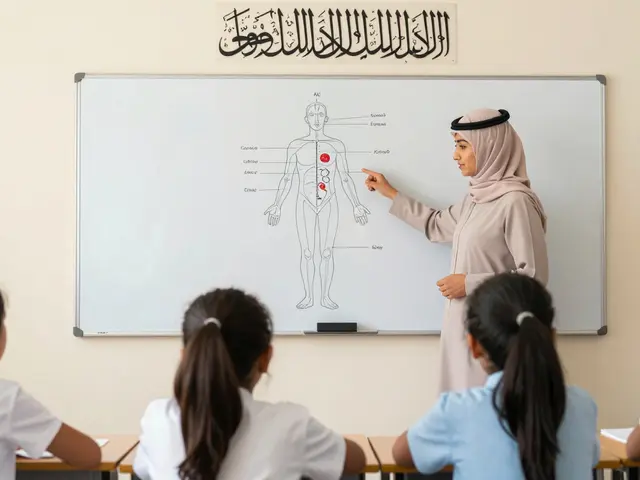
No. Public schools in Dubai do not offer formal sex education. The curriculum focuses on Islamic studies and moral values. Some private international schools include basic health education, but topics like contraception, consent, and sexual orientation are either skipped or heavily filtered. Most young people learn about sex from the internet, friends, or family in private conversations.
What happens if a foreigner is caught having sex with a local Emirati woman outside marriage?
This is one of the most serious situations. If the woman’s family reports it, the man could face criminal charges, deportation, and a permanent ban from the UAE. Even if the woman is an adult and consents, the law treats the act as a violation of family honor and public morality. The legal system prioritizes family and social stability over individual rights in these cases.
Has Dubai ever had a public discussion about sex?
Not officially. There have been no government-led campaigns, TV shows, or public debates on sex. But in recent years, private forums, podcasts, and YouTube channels in Arabic have started discussing topics like consent, marital intimacy, and sexual health. These are growing quickly, especially among younger Emiratis. The conversation is happening-it’s just not happening in public.