Five years ago, walking into a therapist’s office in Dubai to talk about sex was something most people kept secret. Today, it’s becoming a normal part of life for couples and individuals struggling with intimacy. The shift isn’t loud or flashy-it’s quiet, personal, and growing fast. More people are asking for help with low desire, mismatched libidos, performance anxiety, and the emotional distance that comes with it. And they’re not just talking about it anymore-they’re showing up.
What’s Changed in Dubai’s Approach to Sex?
Dubai has always been a city of contrasts. On one side, strict laws and conservative social norms. On the other, a highly international population, a booming healthcare system, and a growing openness to mental health. Sex therapy didn’t appear out of nowhere. It grew because people started demanding it.
Before 2020, most clinics in Dubai focused on medical issues like erectile dysfunction or hormonal imbalances. Therapy? Rare. Even when it was offered, it was often tucked away in private rooms with no public mention. Now, clinics like the Dubai Psychology Center and The Wellness Hub list sex therapy as a standard service. Therapists are trained in couples’ dynamics, trauma-informed care, and culturally sensitive communication. Some even offer sessions in Arabic, Urdu, and Russian to serve the city’s diverse residents.
The real turning point? The pandemic. Lockdowns forced couples to spend more time together-sometimes in ways that exposed long-standing issues. With travel restricted and social life limited, people couldn’t distract themselves with parties or work trips. Problems that used to be ignored became impossible to avoid. And when the world reopened, many didn’t want to go back to how things were.
Who’s Seeking Help-and Why?
It’s not just expats. Emirati couples are coming in too. A 2024 survey by the Dubai Health Authority found that 38% of married adults between 25 and 45 had considered sex therapy in the past year. That’s up from 12% in 2019.
Men often come in because they’re struggling with performance anxiety. Women report feeling disconnected, unheard, or pressured into sex they don’t enjoy. Some couples haven’t had physical intimacy in over a year. Others are dealing with the aftermath of infidelity-or the slow erosion of trust that comes with emotional neglect.
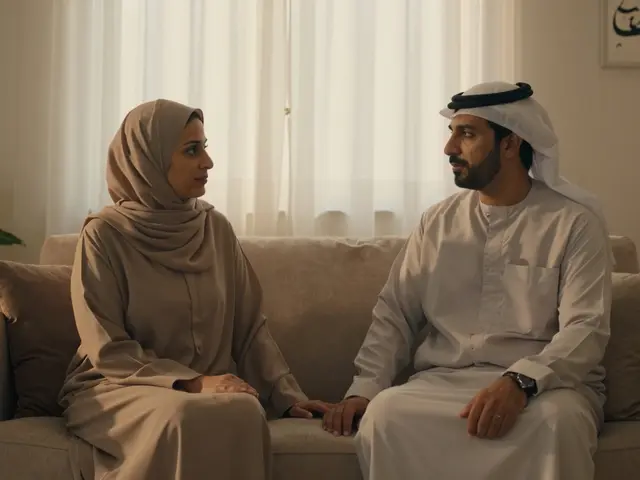
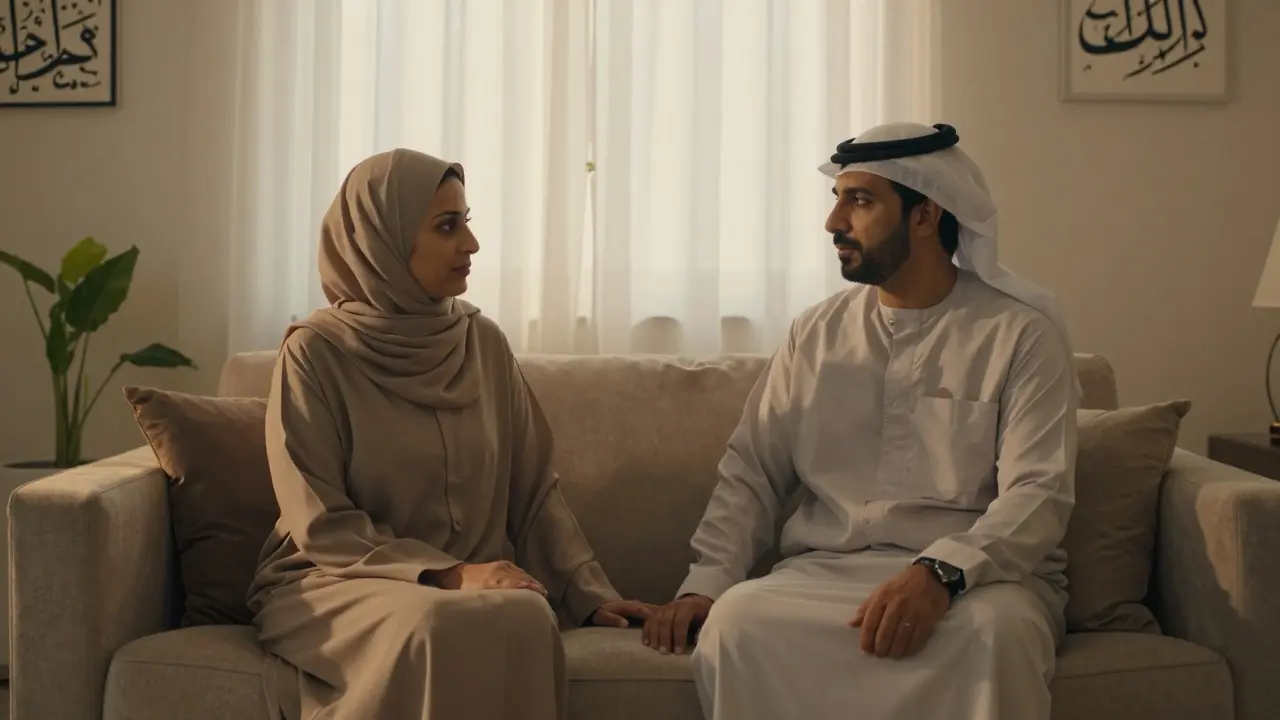
One therapist in Al Barsha told me about a couple who came in after 12 years of marriage. They’d stopped touching each other. No hugs, no kissing, no sex. They were still loving parents, still shared meals, still traveled together. But in bed? Silence. After six sessions, they started holding hands again. Not because the therapist told them to. Because they finally felt safe enough to try.
How Does Sex Therapy Work in Dubai?
It’s not what you see on TV. There’s no lying on a couch with a therapist asking about childhood. Sessions are practical, structured, and focused on real-life habits.
Therapists start by mapping out the couple’s communication patterns. Do they argue about chores and never talk about desire? Do they avoid eye contact during intimacy? Then they introduce small, non-sexual touch exercises-holding hands for five minutes a day, giving a back rub without expecting anything in return. These aren’t about sex. They’re about rebuilding trust and comfort.
For individuals, therapy might focus on past trauma, religious guilt, or body image issues. One woman, a mother of three, told her therapist she felt like her body was "broken" after childbirth. She’d avoided sex for two years. After four months of therapy, she started wearing lingerie again-not to please her husband, but because she finally liked how she looked.
Therapists here work within cultural boundaries. They don’t push boundaries or use explicit language. They use metaphors. They talk about "connection," "intimacy," "emotional safety." They respect religious values while still helping people reclaim their sexuality.
What’s Holding People Back?
Stigma hasn’t disappeared. Many still fear judgment from family or colleagues. Some worry their employer will find out. Others think therapy is "for weak people."
There’s also a lack of awareness. Many people don’t know sex therapy even exists here. They assume it’s only for people with severe problems or that it’s illegal. In reality, licensed sex therapists in Dubai are regulated by the Dubai Health Authority. They must hold a master’s degree in psychology or counseling, complete 500+ hours of supervised clinical training, and pass a certification exam.
Insurance doesn’t cover it yet. Sessions cost between AED 400 and AED 800 per hour. That’s expensive-but not out of reach for many middle- and upper-income residents. Some clinics offer sliding scales or group sessions at lower rates.

Why This Matters Beyond the Bedroom
Sex therapy isn’t just about better orgasms. It’s about better relationships. When couples learn to talk about desire, they start talking about everything else too. They become better listeners. More patient. More emotionally available.
And that ripples outward. Kids notice when their parents are happier. Workplaces see fewer stress-related absences. People feel less alone.
Dubai is changing. Not because laws changed. Not because the government pushed it. But because ordinary people decided they deserved more than silence. They wanted connection. They wanted to feel seen. And they found the courage to ask for help.
What’s Next?
More clinics are training therapists in sex therapy. Universities are adding courses. Online platforms like MyTherapy.ae now offer virtual sessions for those who prefer privacy.
The next big step? Public education. Workshops in community centers. Talks at schools. Campaigns that normalize talking about sex the same way we talk about stress or sleep.
For now, the quiet revolution is already here. You won’t see it on billboards. But if you listen closely, you’ll hear it-in the relieved sigh of a woman who finally told her husband how she felt. In the first hug after months of distance. In the quiet hope that maybe, just maybe, intimacy doesn’t have to be a secret anymore.
Is sex therapy legal in Dubai?
Yes, sex therapy is legal in Dubai when provided by licensed mental health professionals registered with the Dubai Health Authority. Therapists must hold recognized qualifications in psychology or counseling and follow strict ethical guidelines. The practice focuses on emotional connection, communication, and mental well-being-not explicit content or physical intervention.
Can Emiratis see sex therapists?
Yes, Emiratis are increasingly seeking sex therapy, especially in private clinics that prioritize cultural sensitivity. Many therapists are trained to work within Islamic values and avoid language or techniques that might feel disrespectful. Sessions are confidential, and therapists rarely discuss religious beliefs unless the client brings them up.
How much does sex therapy cost in Dubai?
Individual sessions typically range from AED 400 to AED 800 per hour, depending on the therapist’s experience and location. Some clinics offer discounted rates for couples or package deals for multiple sessions. Group therapy options are also available for as low as AED 150 per person. Insurance coverage is still limited, but a few private plans now include mental health benefits that may apply.
Do I need to be married to see a sex therapist?
No. Many people seek help as individuals-for issues like low libido, past trauma, body image, or anxiety around intimacy. Therapists work with singles, couples, and people in non-traditional relationships. Your relationship status doesn’t determine whether you’re eligible for support.
Are sex therapists in Dubai trained for cultural differences?
Yes. Most reputable clinics hire therapists who understand the region’s cultural and religious context. They avoid pushing Western norms and instead adapt techniques to align with local values. For example, they might focus on emotional closeness rather than physical acts, or use storytelling instead of direct questions about sexual behavior. Many therapists are multilingual and familiar with the experiences of expats and locals alike.