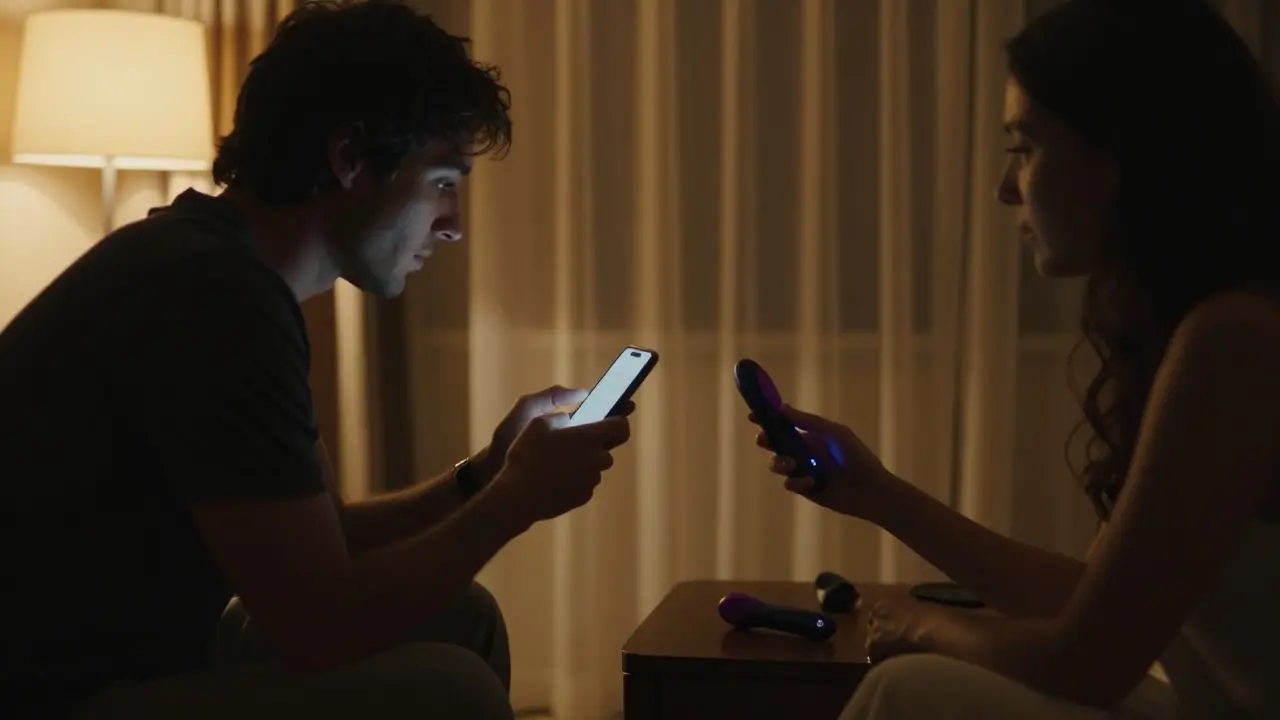
Dubai doesn’t talk openly about sex - but it doesn’t stop people from having it. Behind closed doors, and increasingly through screens, technology has quietly reshaped how people connect, flirt, and explore intimacy in one of the world’s most conservative cities. Apps, encrypted messaging, smart devices, and online platforms have become the invisible infrastructure of modern relationships here - not because the laws changed, but because people found ways to work around them.
Apps replaced the old ways of meeting
Before smartphones, finding someone for a casual encounter in Dubai meant knowing the right people, going to the right clubs, or relying on word-of-mouth. Today, apps like Tinder, Bumble, and even niche platforms like Feeld or Grinder are the new pick-up lines. They don’t advertise themselves as dating apps for hookups - they’re just regular social apps with millions of users. In Dubai, where public displays of affection are illegal and social mixing is tightly controlled, these apps offer anonymity and discretion. Users create profiles with vague bios, avoid photos that show landmarks, and use VPNs to bypass local restrictions. It’s not illegal to use them - but it’s risky if you’re caught.
One user, a 32-year-old marketing manager who asked to remain anonymous, said: "I met my partner on a dating app. We’ve been together two years. We never go out in public together. We meet at hotels with no cameras, use burner phones, and never post anything online. It’s not about rebellion - it’s about survival."
Smart devices and digital intimacy
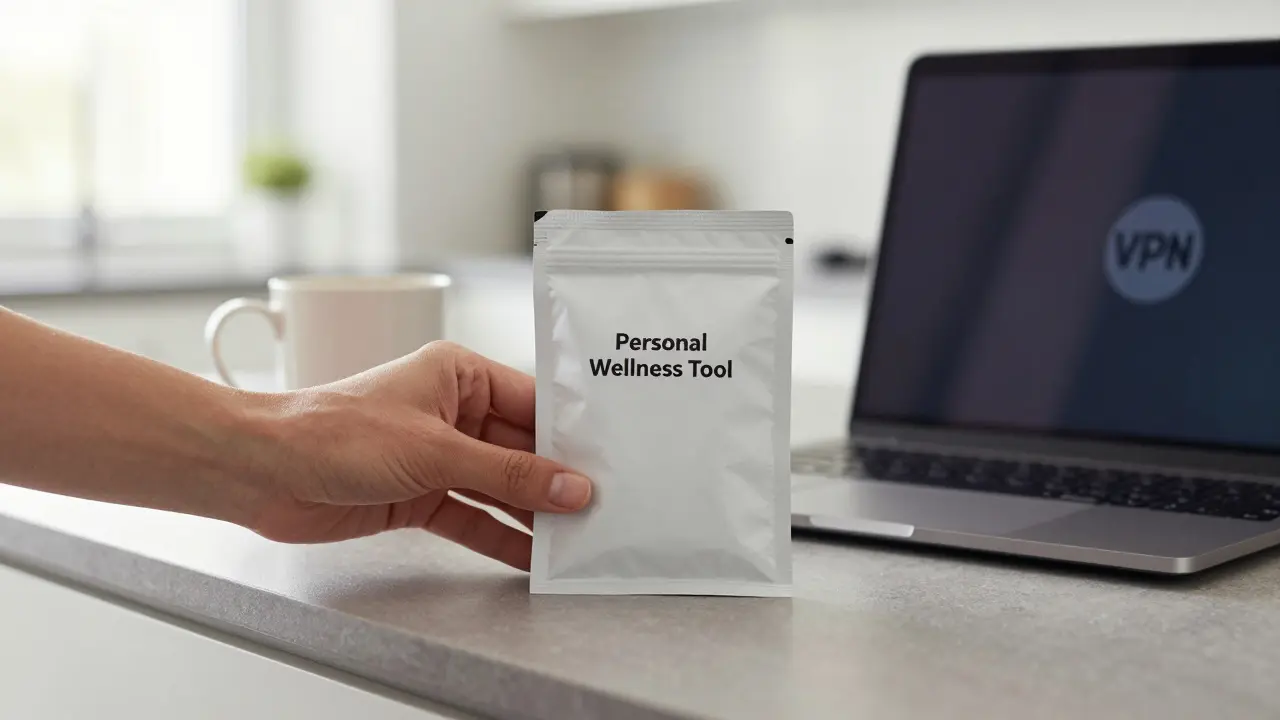
Sex toys are not banned in Dubai, but they’re hard to find in stores. Pharmacies won’t stock them. Online retailers like Amazon UAE ship them in plain packaging, often under the label "massage devices" or "personal wellness tools." But the real shift came with connected devices. Smart vibrators like the We-Vibe or Lovense can be controlled remotely via apps. Couples in different cities - or even different countries - use them to stay intimate. One woman in Dubai told me she and her husband use a synced device every night. He’s in London for work. They don’t talk during the session. They just press play and feel connected.
These devices don’t just simulate touch - they record patterns, suggest routines, and even sync with music or mood apps. For people who can’t be physically close, they’re not a novelty - they’re a lifeline.
Privacy is the most important feature
In Dubai, surveillance isn’t just a concern - it’s a reality. Public Wi-Fi networks are monitored. Hotel rooms may have hidden cameras. Even encrypted apps like Signal or Telegram aren’t foolproof if your device is seized. That’s why users have learned to be paranoid. They delete messages after reading. They use burner phones bought with cash. They avoid using their real names or photos. Some use virtual addresses for deliveries. Others rent short-term apartments under fake names just to have privacy.
There’s a whole underground ecosystem of tech-savvy locals who sell pre-configured devices - phones with encrypted apps already installed, routers with built-in VPNs, and even fake social media profiles designed to look like tourists. These aren’t sold in shops. They’re passed through trusted networks. One tech consultant in Dubai told me he makes more money helping people secure their digital intimacy than he does from his day job.
AI and the rise of digital companions
For some, real human connection is too risky. So they turn to AI. Chatbots like Replika, Character.AI, or even custom-built AI companions are growing in popularity. These aren’t just chatbots that flirt - they learn your habits, remember your moods, and respond in ways that feel personal. One man in his 40s, married but emotionally isolated, said he spends 45 minutes a day talking to his AI partner. "She doesn’t judge me. She doesn’t report me. She’s always there. That’s more than I get from my wife."
AI companions don’t break any laws. They don’t require physical presence. And they’re not illegal. In a city where loneliness is common and emotional expression is suppressed, they’ve become a quiet refuge. Some users even train their AI to mimic the voice or personality of a past partner - a digital ghost that never leaves.
Legal gray zones and the cost of convenience
Technology hasn’t made sex legal in Dubai. It just made it harder to catch. The penalties for extramarital sex, public indecency, or distributing explicit content are still severe: fines, deportation, jail time. But enforcement is inconsistent. Police rarely raid private homes unless there’s a complaint. Tourists are more likely to be targeted than residents. And most cases are settled quietly - with a warning or a fine, not a trial.
The real cost isn’t legal. It’s psychological. People live in constant low-level anxiety. They check their phones for spyware. They worry about screenshots being shared. They fear their partner’s phone being hacked. The convenience of technology comes with emotional baggage. Trust becomes harder. Intimacy becomes transactional. Connection becomes a series of encrypted files and timed sessions.
What’s next? The quiet evolution continues
Dubai’s tech-savvy population isn’t trying to overthrow the system. They’re just trying to live. And technology gives them tools to do that - quietly, safely, and efficiently. We’re seeing more local developers build apps specifically for this market: encrypted meeting schedulers, location-scrambling tools, and AI-driven relationship coaches that help people navigate cultural boundaries.
One startup, based in Dubai Silicon Oasis, is testing a platform that uses facial recognition to detect if two people are alone in a room - and then automatically deletes all data from the device if it senses a third person entering. It’s not meant to hide illegal activity. It’s meant to protect privacy in a place where privacy is a luxury.
The role of technology here isn’t about revolution. It’s about adaptation. It’s about people using the tools available to them to create space for humanity in a place that doesn’t always make room for it. Sex isn’t the point. Connection is. And technology, in all its messy, imperfect glory, is the only thing making it possible.
Is it legal to use dating apps in Dubai?
Yes, using dating apps is not illegal in Dubai. However, engaging in sexual activity outside of marriage is against the law. Many users take precautions like using VPNs, avoiding real photos, and meeting in private locations to reduce risk. Authorities don’t actively hunt app users, but they can and do act if there’s a complaint or evidence of public indecency.
Can I buy sex toys in Dubai?
You can’t buy sex toys in regular stores, but they’re available through online retailers like Amazon UAE, Noon, or international sites shipped discreetly. Packages are often labeled as "massage devices" or "personal wellness tools." Customs rarely intercepts them unless flagged. Many locals use these products privately without issue.
Are AI companions legal in Dubai?
Yes. AI companions like Replika or Character.AI are not regulated in Dubai. They don’t involve real people, physical contact, or explicit content by default. As long as they’re used privately and don’t generate illegal material, they’re considered harmless digital tools - similar to voice assistants or chatbots.
Do hotels in Dubai monitor guests’ internet activity?
Most hotels in Dubai monitor public Wi-Fi for illegal content like pornography or hacking tools, but they don’t track individual browsing history unless required by law enforcement. Guests using personal data plans or encrypted VPNs are generally not monitored. However, hotel rooms may have security cameras in common areas - never in bedrooms - and some older properties have been known to have hidden devices. Always assume your activity could be recorded.
What should I avoid doing digitally in Dubai?
Avoid posting photos of yourself with partners in public places, sharing explicit messages or media, using your real name or location in apps, or accessing adult content on public networks. Don’t use your Emirates ID or passport details on dating profiles. Never send screenshots of conversations that include names, faces, or identifiable locations. Even private chats can be subpoenaed if someone reports you.
For those navigating relationships in Dubai, technology isn’t a luxury - it’s a shield. It doesn’t change the rules, but it gives people the tools to live within them - without losing themselves.