Dubai’s reputation as a glittering desert metropolis often hides the quiet shifts beneath its luxury façade. One of the most misunderstood parts of its underground economy is the evolution of what’s commonly called the call girl industry. It’s not a story of sudden growth or decline-it’s a slow, careful dance between demand, law, and cultural pressure.
Early Days: Discreet and Underground
In the 1990s and early 2000s, the presence of sex workers in Dubai was minimal but not invisible. Most were foreign women working under temporary visas, often employed as dancers or hostesses in nightclubs. Their services, when offered, were never advertised. Word-of-mouth was the only channel. Clients were typically expats-engineers, oil workers, or traders-who knew where to look and how to stay quiet.
There were no apps, no websites, no Instagram DMs. If you needed companionship, you relied on connections. A bartender might point you to someone. A hotel concierge, if trusted, might make a discreet introduction. The risk was high: getting caught meant deportation, fines, or jail. But the penalties were uneven. Some women were arrested; others were quietly sent back to their home countries without public record.
The Rise of the Digital Age
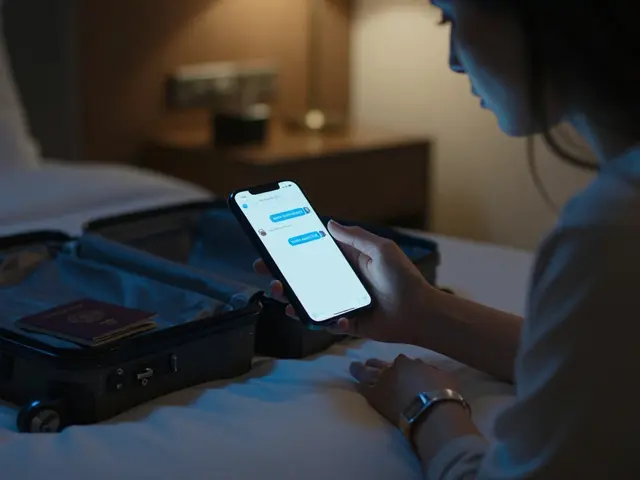
By 2012, smartphones and encrypted messaging apps began changing everything. WhatsApp, Telegram, and later Signal became the new backchannels. Women no longer needed to rely on middlemen. They could manage their own schedules, set their own rates, and screen clients directly.
Facebook groups and private forums started appearing-closed circles, invite-only, with strict rules. Photos were blurred. Names were changed. Locations were vague: "near Burj Khalifa," "after 9 PM," "cash only." These weren’t ads; they were signals. People who knew what to look for could find them. Those who didn’t, never saw them.
Payment shifted too. Cash was still king, but hawala transfers and prepaid cards became common. Some started using cryptocurrency, especially after 2020, when Dubai began testing blockchain-based financial tools. It made transactions harder to trace.
Legal Reality: Still Illegal, But Harder to Enforce
Dubai’s laws haven’t changed. Prostitution remains illegal under Article 357 of the UAE Penal Code. Soliciting, pimping, and running brothels carry prison sentences of up to 10 years. But enforcement has become selective.
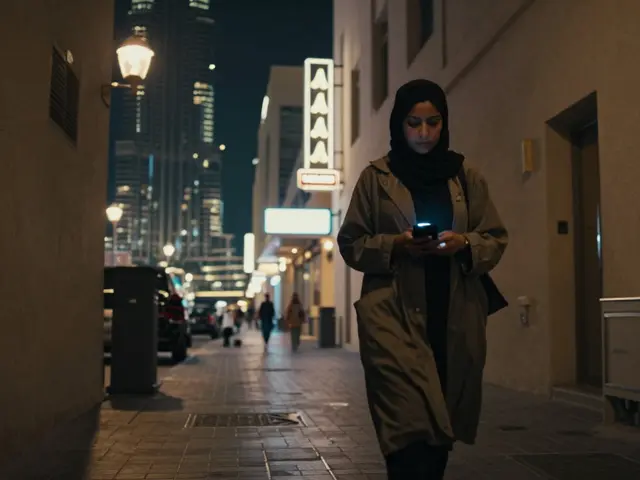
Police raids still happen-mostly during major events like Expo 2020 or Ramadan. But most operations now avoid public spaces. There are no streetwalkers. No visible brothels. The industry moved indoors: private apartments, hotel suites rented by the hour, villas in quieter neighborhoods like Jumeirah Beach Residence or Al Barsha.
Authorities focus on high-profile cases: traffickers, organized rings, underage workers. Individual sex workers, especially those who aren’t linked to criminal networks, are often treated as victims rather than criminals. Many are deported after a short detention, with no criminal record. That’s not justice-it’s pragmatism.
Who’s Really Involved?
The women in this industry come from places like Ukraine, Russia, the Philippines, Nigeria, and Thailand. Many arrived legally on tourist or work visas, then overstayed. Some were recruited by agencies promising modeling or hospitality jobs. Others came on their own, looking for better pay than they could get at home.
They’re not all young. Many are in their 30s and 40s, with years of experience. Some have children back home they support. A few even have university degrees. Their clients? Mostly expats from Europe, South Asia, and the Gulf. Locals rarely participate-social stigma is too strong. But when they do, it’s hidden behind private clubs or VIP rooms.
Technology Changed the Game
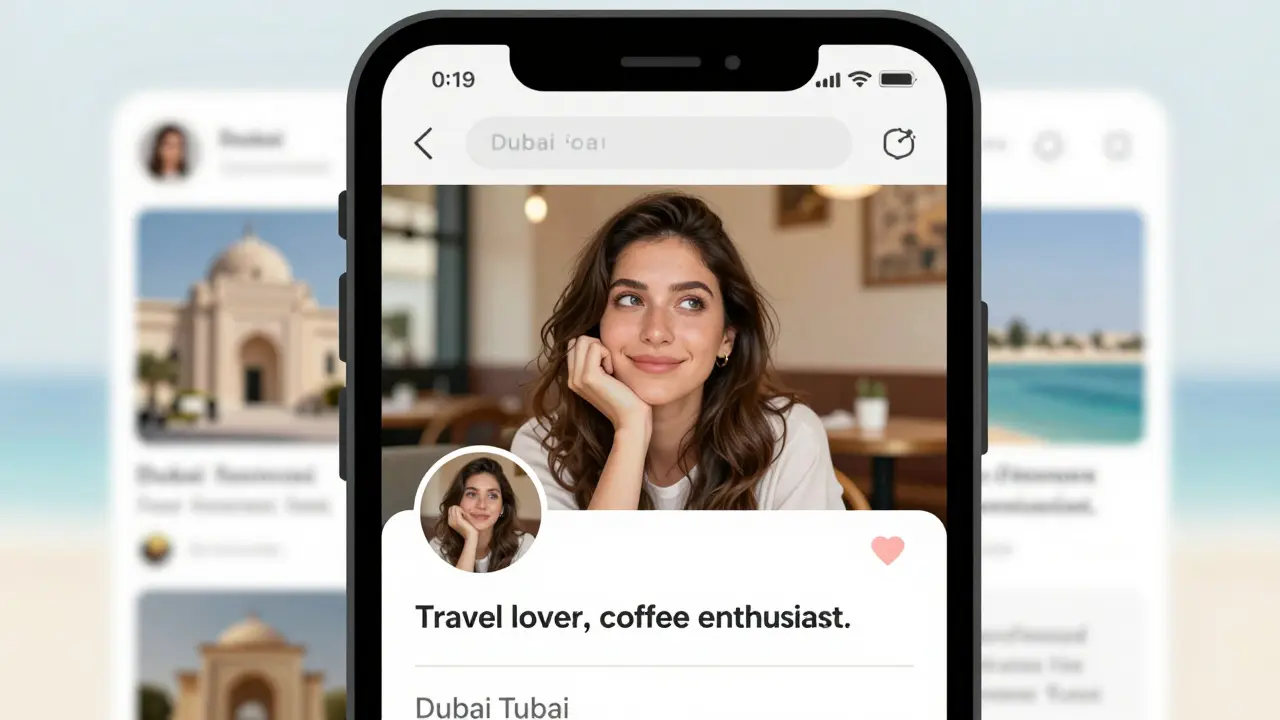
Apps like Tinder and Bumble were never meant for this, but they got repurposed. Women created profiles with vague bios: "Travel lover," "Coffee enthusiast," "Looking for meaningful connections." Their photos showed them at cafes, beaches, or museums-not in lingerie. Messages were coded: "Want to explore the city?" meant "Are you interested?"
Some started using AI tools to manage inquiries. Chatbots filtered out scam artists, minors, or law enforcement. Others used burner phones and virtual numbers. A few even hired virtual assistants to handle bookings and calendar management.
Payment platforms like PayPal and Stripe are blocked in the UAE, so alternatives popped up. Prepaid debit cards bought with cash. Crypto wallets linked to offshore exchanges. Some used peer-to-peer apps like Cash App or Venmo via international accounts. It’s messy, but it works.

Why It’s Still Growing
Dubai has over 90% expat population. Many live here for years without forming deep social ties. Loneliness is common. Marriage rates among expats are low. The city never built spaces for casual, non-romantic intimacy.
There’s no legal sex work industry. No licensed brothels. No safe zones. But demand doesn’t disappear-it adapts. The industry thrives because it fills a gap: companionship without commitment, physical closeness without emotional entanglement.
Unlike in Amsterdam or Nevada, Dubai doesn’t regulate or tax this activity. That means no health checks, no worker protections, no recourse if something goes wrong. Women work alone. They carry their own risks. And when things go wrong, there’s no one to call.
The Future: More Hidden, Not More Open
There’s no sign Dubai will legalize sex work. The government’s focus is on tourism, finance, and tech-not social reform. The industry will keep evolving, not expanding.
Expect more use of AI-driven matching systems. More encrypted platforms. More reliance on cryptocurrency. More women working from home, offering virtual companionship as a front. Some may even transition into content creation, using OnlyFans or Patreon to monetize their presence without physical meetings.
Law enforcement will keep targeting the worst offenders: traffickers, gangs, underage exploitation. But the quiet, independent workers? They’ll keep slipping through the cracks.
This isn’t a glamorous industry. It’s not a crime wave. It’s a quiet response to a city that welcomes millions but doesn’t give them space to belong. As long as that remains true, the demand won’t vanish. And as long as the demand exists, the industry will find a way to survive-in the shadows, one encrypted message at a time.
Is it legal to hire a call girl in Dubai?
No, it is not legal. Prostitution, solicitation, and pimping are criminal offenses under UAE law. Penalties include imprisonment, fines, and deportation. Even if services are offered discreetly, both the provider and the client can face serious legal consequences.
How do people find these services in Dubai today?
Most connections happen through private messaging apps like Telegram or WhatsApp. Social media profiles with vague bios, coded language, and hidden photos are common. Word-of-mouth among expat communities still plays a role. There are no public listings, websites, or apps openly advertising these services.
Are most call girls in Dubai trafficked?
Not all. While trafficking does occur-especially among women recruited under false job promises-many women enter this work voluntarily, often because they’re struggling financially or overstaying visas. The majority are not part of organized crime rings. However, distinguishing between voluntary and coerced situations is difficult without direct testimony.
What happens if you get caught?
If caught, both the worker and the client can be arrested. Workers are often detained briefly and then deported without a criminal record. Clients may face fines, jail time, or deportation. High-profile cases or those involving minors are treated more severely. Most incidents go unreported because both parties want to avoid attention.
Has Dubai cracked down more in recent years?
Enforcement has become more targeted. Authorities focus on organized networks, human trafficking, and underage exploitation. Individual sex workers are less likely to be prosecuted unless they’re linked to a larger operation. The crackdowns are less about eliminating the industry and more about controlling its visibility and preventing abuse.
Can you get health checks or safety measures in Dubai’s underground industry?
There are no official health checks or safety regulations. Some independent workers get regular screenings privately, but it’s not required or monitored. Condoms are commonly used, but not always. There’s no system for reporting abuse or unsafe clients. This lack of structure makes the industry dangerous for everyone involved.