
Dubai doesn’t just have skyscrapers and luxury malls. It has a hidden layer of human behavior shaped by migration, economics, and strict laws. Among the most misunderstood parts of this layer is the presence of women who offer companionship and intimate services - often labeled as "call girls." But calling them that oversimplifies a complex reality. These women aren’t just part of a vice industry. They’re part of Dubai’s demographic fabric - a mosaic of expats, migrants, and transient lives drawn to the city by opportunity, desperation, or both.
The Myth of the "Call Girl"
The term "call girl" sounds glamorous, like something from a 1980s movie. In Dubai, it rarely matches reality. Most women working in this space aren’t high-end escorts with private apartments and designer clothes. Many are foreign nationals - from Ukraine, Russia, the Philippines, Nigeria, and Pakistan - working under extreme pressure. Some came on tourist visas and overstayed. Others were lured by fake job offers as nannies, models, or receptionists. A few entered the industry willingly, seeing it as the only way to send money home to families in places where wages are a fraction of what they earn in Dubai.
There’s no official registry. No licensed brothels. No legal framework. That means everything happens underground. Clients find women through social media, encrypted apps, or word-of-mouth referrals. Prices vary wildly - from 500 AED for a short meeting to 5,000 AED or more for overnight stays. The lack of regulation makes it dangerous. Women have no legal recourse if they’re robbed, assaulted, or exploited. Police raids happen, but they rarely target the organizers. Instead, the women are arrested, detained, and deported - often with no support system waiting for them back home.
Dubai’s Cultural Paradox
Dubai markets itself as a global city - open, tolerant, modern. And in many ways, it is. You’ll see people from over 200 nationalities walking the same streets. You’ll find vegan cafes next to halal butchers. You’ll hear Russian, Hindi, Tagalog, and Arabic spoken in the same metro car. But this diversity doesn’t extend to personal freedoms - especially when it comes to sex.
Under UAE law, any sexual activity outside of marriage is illegal. That includes prostitution, even if both parties consent. The punishment? Fines, jail time, and deportation. The law is enforced selectively. Tourists rarely get arrested unless they cause a scene. Locals and long-term residents are more likely to be targeted. Foreign workers? They’re the most vulnerable. Many don’t speak Arabic. They don’t know their rights. And they’re terrified of the authorities.
Yet, the demand is constant. Dubai’s economy runs on transient populations - business travelers, expat workers, tourists on short trips. Many are lonely. Many are married but separated from their families. Some just want company. The city’s nightlife - rooftop bars, private clubs, luxury hotels - creates an environment where these needs are amplified. And when legal options are closed, people turn to the underground.
Who Are the Women Behind the Services?
One woman, who asked to remain anonymous, told me she came from Kyiv in 2022 after her husband lost his job. She worked as a receptionist in a hotel for six months before being offered "more money" by a man who said he needed a companion for dinners and events. She didn’t realize it would lead to sex work until she was already trapped. She sends 70% of her earnings to her two children. "I don’t feel like a criminal," she said. "I feel like someone who’s trying to survive."
Another woman, from the Philippines, worked as a caregiver for an elderly Emirati man. When he passed away, his family cut her off. With no visa and no savings, she turned to online platforms to find clients. She says she only works with people she trusts - no strangers, no drugs, no violence. She keeps a list of "safe" numbers. She says she’s been doing this for three years and has never been caught.
These aren’t outliers. They’re the rule. Most women in this space are not criminals. They’re migrants trying to navigate a system that offers them no safety net. The city’s wealth is built on their labor - construction, cleaning, caregiving, and yes, sometimes sex work. But when things go wrong, they’re the ones punished.
The Role of Technology
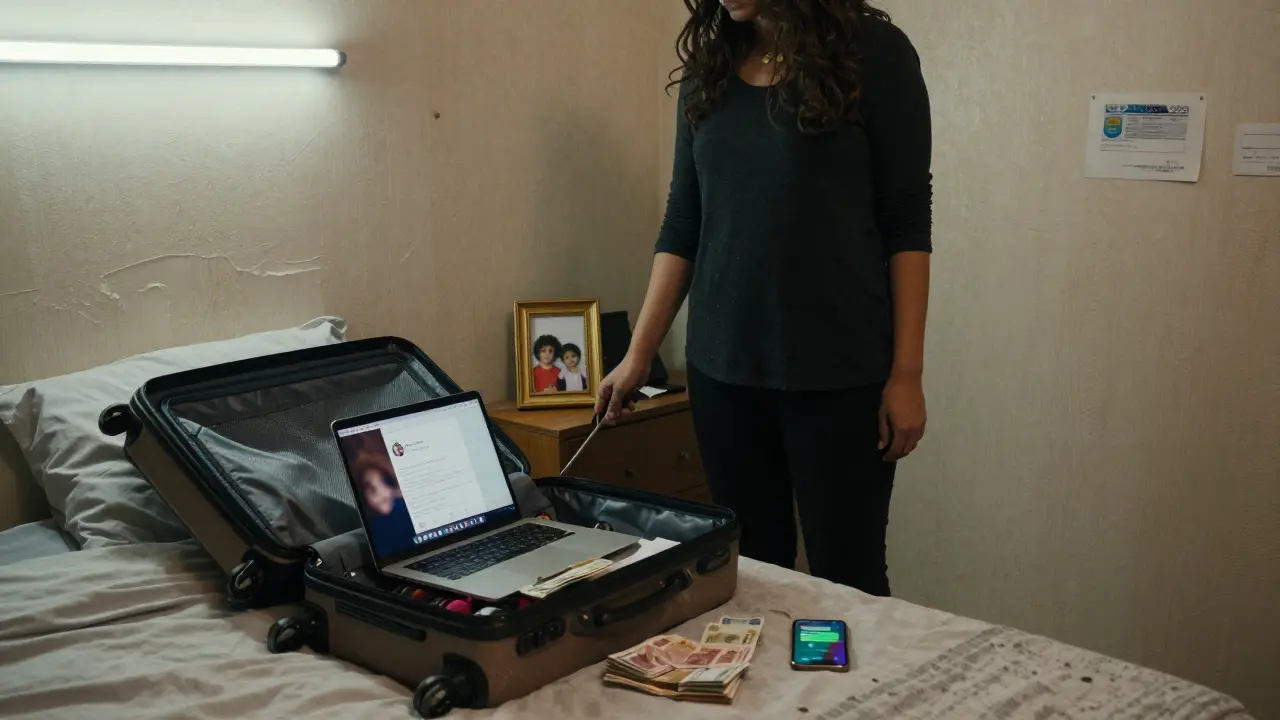
Technology has changed how this industry operates. Ten years ago, you’d find numbers on flyers in hotel lobbies. Now, it’s all encrypted. Telegram channels, private Instagram accounts, and discreet WhatsApp groups are the new front doors. Women create profiles with fake names, blurred photos, and vague descriptions. Clients message them directly. Payments are made via cryptocurrency or untraceable gift cards. Some use virtual assistants to screen clients before meeting.
But tech isn’t a shield. It’s a trap. Scammers pose as clients to steal money or record videos. Others use these platforms to track women’s movements. Some women have been blackmailed after sharing intimate photos. A 2024 report by a Dubai-based NGO found that 43% of women in this industry had experienced some form of digital exploitation - from leaked photos to extortion. And because the work is illegal, they can’t report it without risking arrest themselves.
Why Does This Keep Happening?
Dubai’s government doesn’t ignore this. It just chooses not to fix it. The city needs foreign workers. It needs tourists. It needs the illusion of freedom without the reality. So it turns a blind eye - as long as things stay quiet. There’s no public debate. No policy review. No support services for women who want out.
Meanwhile, the economy keeps growing. The Burj Khalifa keeps rising. The malls stay full. And underneath it all, thousands of women are living in fear - not because they chose a life of crime, but because they were never given a real choice.

What About the Clients?
It’s easy to blame the women. But the system only works because there’s demand. Who are the clients? Mostly expats - engineers, sales reps, consultants - working temporary contracts. Some are married. Some are divorced. A few are local Emiratis, but they’re harder to track because they have connections and money to avoid consequences.
One man, a British project manager who’s been in Dubai for five years, told me he’s never paid for sex. "But I know people who have," he said. "It’s not about lust. It’s about loneliness. You’re here for six months, no family, no friends. You see a woman who smiles at you in a bar. You think, maybe she’s just being nice. Then you find out she’s offering more. And you say yes. Not because you’re a bad person. Because you’re human."
That’s the uncomfortable truth. The system isn’t just about sex. It’s about isolation. It’s about a city that welcomes you with open arms - then leaves you alone when you need help the most.
Is There Any Way Out?
There are a few NGOs in Dubai that quietly help women exit this life. One group, based in Sharjah, offers legal advice, temporary housing, and job training. But they’re underfunded. They can’t take more than 10 women at a time. And they can’t operate openly - because helping women leave sex work is still legally risky.
Some women get lucky. A few find sponsors for work visas. Others marry clients and stay. Most don’t. They’re deported. They return home with trauma, debt, and stigma. Their stories rarely make the news. No one celebrates them as survivors. No one asks what kind of society creates this outcome.
Dubai’s Reflection
Dubai’s cultural diversity is real. But diversity doesn’t mean equality. It doesn’t mean justice. It doesn’t mean protection for the most vulnerable. The presence of women offering intimate services isn’t a flaw in the system. It’s a symptom of it.
The city thrives because it allows people to come, work, and disappear. But when those people fall through the cracks - and they always do - the system doesn’t catch them. It erases them.
If you want to understand Dubai, don’t look at the skyline. Look at the women who clean the rooms after you leave. Look at the ones who sit alone in hotel lobbies, scrolling through their phones, waiting for a message. Look at the ones who never get to go home.
Is it legal to hire a call girl in Dubai?
No, it is not legal. Prostitution and any sexual activity outside of marriage are criminal offenses under UAE law. Both the person offering the service and the client can face arrest, fines, jail time, and deportation. Enforcement is uneven, but the risk is real and carries serious consequences.
Why do so many foreign women end up in this situation in Dubai?
Many come with legitimate work visas - as nannies, housekeepers, or receptionists - only to find their employers exploit them or cut off pay. Others are lured by false job offers. With no safety net, limited language skills, and fear of authorities, some turn to sex work as the only way to survive or send money home. The lack of legal protections makes them extremely vulnerable.
Do police target call girls in Dubai?
Yes, but selectively. Police raids often focus on women rather than organizers or clients. Tourists are rarely arrested unless they cause public disturbances. Foreign workers, especially those without legal status, are the most likely to be detained and deported. The system punishes the vulnerable while those who profit from the trade often remain untouched.
Are there any support services for women wanting to leave this life?
A few small, unpublicized NGOs offer help - legal aid, temporary housing, job training. But resources are extremely limited. Most organizations operate quietly to avoid legal trouble. There is no government program to assist women exiting sex work. Without legal status or financial backing, leaving is incredibly difficult.
How has technology changed the industry in Dubai?
Technology has moved the industry from street-level operations to encrypted apps like Telegram and WhatsApp. Women now use fake profiles, encrypted payments, and screening tools to protect themselves. But this also increases risks - digital blackmail, fake clients, and tracking are common. Technology gives a false sense of safety while making exploitation easier to hide.
What’s the difference between escort services and prostitution in Dubai?
Legally, there is no difference. Both are illegal. Some women claim they only offer companionship - dinner, conversation, travel - to avoid the label of prostitution. But if sex is involved, even occasionally, it’s still a crime under UAE law. The distinction is mostly a marketing tactic, not a legal one.
If you’re visiting Dubai, remember: the city’s glitter hides deep fractures. The same system that lets you enjoy a rooftop bar at sunset also lets a woman from Ukraine sleep in a hotel room alone, waiting for a call that could change her life - or end it.