Globalization didn’t just bring luxury hotels and shopping malls to Dubai-it reshaped the underground economy, including the sex work industry. While prostitution is illegal in the UAE, the demand for companionship and intimate services has grown alongside the city’s rise as a global hub. Thousands of foreign workers, including women from Eastern Europe, Southeast Asia, and Africa, arrived in Dubai over the last two decades with dreams of earning money. For some, that dream twisted into survival sex work, hidden in plain sight behind hotel rooms, private apartments, and encrypted apps.
The Shift from Local to International Demand
Before the 2000s, the sex work scene in Dubai was small and mostly local. Expats were fewer, tourism was limited, and the city hadn’t yet become a magnet for business travelers from Europe, China, Russia, and India. Today, over 15 million tourists visit Dubai annually. Many are high-income men from countries where sex work is legal or socially tolerated. They come expecting services they’re used to back home-and they’re willing to pay.
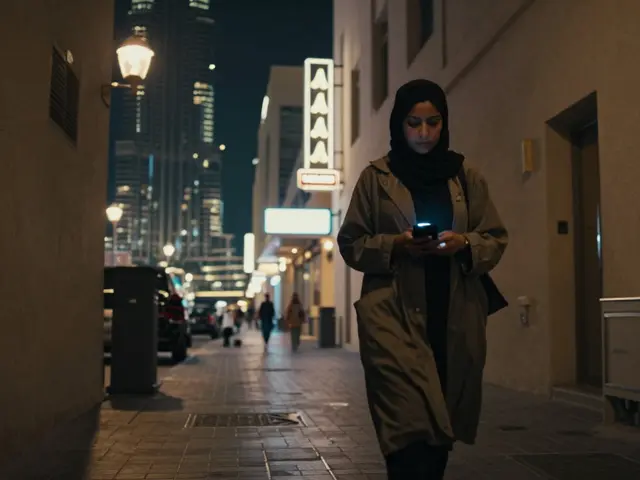
This influx changed the market. What used to be informal, word-of-mouth arrangements turned into a more structured, tech-driven industry. Women no longer rely on street contacts or local fixers. Instead, they use Telegram channels, WhatsApp groups, and private booking apps that look like dating platforms. Some even run Instagram accounts with coded language-"private dinner," "travel companion," "luxury experience"-to avoid detection.
Global Supply Chains of Vulnerability
Globalization didn’t just create demand-it created supply chains. Recruitment agencies in countries like Ukraine, Moldova, the Philippines, and Nigeria now target young women with promises of modeling jobs, nannying roles, or hospitality work in the Gulf. Many sign contracts they don’t fully understand. Once in Dubai, their passports are taken, their movements restricted, and they’re forced into sex work to repay "debts" for flights, housing, or fake training fees.
Human rights groups estimate that up to 60% of foreign women involved in sex work in the UAE entered under false pretenses. The UAE government denies systematic trafficking, but reports from Amnesty International and the U.S. State Department’s Trafficking in Persons Report consistently list the country as Tier 2-meaning it doesn’t fully meet minimum standards and is making significant efforts to improve.
Technology as Both Tool and Trap
Smartphones and encrypted apps became the new backbone of the industry. Platforms like Telegram, Signal, and private Discord servers allow workers to screen clients, set prices, and share safety tips. Some women form online collectives to warn each other about violent clients or police raids.
But technology also makes them more visible to law enforcement. Dubai’s surveillance system is among the most advanced in the world. Facial recognition cameras in hotels, license plate readers at apartment complexes, and AI-powered social media monitoring help authorities track suspected activity. Women who post photos or use the same phone number repeatedly get flagged fast.
One woman from Kyiv, who spoke on condition of anonymity, told me she used to earn $2,000 a week in Dubai. After her account was banned on a booking app, she had to pay a middleman $500 just to get access to a new channel. "Now I make less, work more hours, and sleep with a knife under my pillow," she said.
The Role of Expats and Diplomats
Not all clients are tourists. A significant portion of demand comes from expatriate professionals-engineers, bankers, sales reps-who live in Dubai for months or years. Some are married; others are lonely. Many see sex work as a transactional escape from cultural isolation. Diplomats and military personnel from countries with no extradition treaties with the UAE also use these services, knowing they’re unlikely to face consequences at home.
The UAE has prosecuted foreign nationals for prostitution-related offenses, but enforcement is inconsistent. High-profile cases rarely make headlines. Most arrests happen quietly, with fines or deportation. Jail time is rare unless violence or trafficking is involved.
How Local Culture Clashes With Global Norms
Dubai markets itself as a modern, tolerant city-but its legal and religious framework remains deeply conservative. Public displays of affection are illegal. Cohabitation outside marriage is a crime. Even kissing in public can lead to arrest. Yet, the same city hosts global events like Expo 2020 and Formula 1 races, where Western norms dominate.
This contradiction creates a dangerous gray zone. Women who work in the industry are often treated as criminals, not victims. They face deportation without legal aid, no access to shelters, and no path to legal status-even if they were trafficked. Meanwhile, their clients rarely face consequences.
Local Emirati women are almost never involved in sex work. Cultural stigma, family pressure, and strict social controls make it nearly impossible. The entire industry is built on the bodies of foreign women, most of whom have no legal protections.

The Hidden Economic Impact
While the government doesn’t track it, experts estimate that the sex industry in Dubai generates between $150 million and $400 million annually. That money flows into hotels, taxis, restaurants, and luxury goods. Some women pay rent in high-end apartments in Jumeirah or Downtown. They buy designer clothes, use premium beauty services, and tip waiters generously.
It’s an underground economy that supports legitimate businesses-yet those same businesses won’t admit to serving these clients. Hotels turn a blind eye. Ride-share drivers know the patterns. A driver in Dubai told me, "I’ve taken the same woman to the same hotel every Tuesday for three years. I never ask. I just drive. She pays in cash, always tips well."
What’s Changing? And Who’s Left Behind?
Some progress is happening. In 2023, the UAE launched a pilot program to train hotel staff on identifying trafficking victims. A few NGOs now offer discreet legal aid to foreign women arrested for prostitution. But these efforts are small and underfunded.
Meanwhile, the industry adapts. More women are working independently, avoiding middlemen, and using cryptocurrency to receive payments. Some have moved to quieter emirates like Ras Al Khaimah or Fujairah, where enforcement is looser. Others are shifting to online-only services-video calls, virtual companionship-trying to stay off the radar.
But the most vulnerable are still getting crushed. Women without English skills, those without stable internet access, or those who arrived with no documentation are the ones most likely to be exploited. They’re the ones who get arrested, deported, and forgotten.
Globalization didn’t create sex work in Dubai. But it turned it into a high-stakes, high-profit industry built on inequality, silence, and the bodies of women who had nowhere else to go.
Is prostitution legal in Dubai?
No, prostitution is illegal in Dubai and throughout the UAE. Both offering and paying for sex can lead to arrest, fines, deportation, or jail time. The law applies to everyone, regardless of nationality. Enforcement varies, but the legal risk is always present.
How do call girls in Dubai find clients?
Most use encrypted messaging apps like Telegram, WhatsApp, or Signal. Some have private Instagram or TikTok accounts with coded language. Others rely on word-of-mouth through other workers or middlemen. Apps that look like dating services are common, but they’re not public platforms-they’re invite-only or password-protected groups.
Are women in Dubai’s sex industry trafficked?
Yes, many are. Women from Eastern Europe, Southeast Asia, and Africa are often recruited with fake job offers-nanny, model, hotel staff-and then forced into sex work. Their passports are taken, debts are inflated, and escape is difficult. Human rights organizations confirm this pattern, though the UAE government denies systemic trafficking.
Can foreign women get help if they’re exploited?
It’s extremely hard. The UAE doesn’t have public shelters for trafficking victims in the sex industry. Legal aid is limited and often tied to cooperation with police. Many women fear deportation more than abuse. A few NGOs offer discreet help, but funding is low and reach is small. Most women suffer in silence.
Why don’t more women leave the industry?
Many have no other options. They owe money to recruiters or landlords. They have no legal status. Their families back home don’t know what’s happening. Some are afraid of being arrested or deported. Others have children they’re supporting financially. Leaving often means losing everything-without a safety net.