Dubai doesn’t have open discussions about sex in public, but that doesn’t mean sex isn’t part of life here. It’s shaped by deep-rooted cultural and religious traditions that have stayed unchanged for generations. Unlike Western cities where sexuality is often treated as a personal freedom, in Dubai, it’s seen as a private matter tied to family honor, religious duty, and social order. What people do behind closed doors is influenced more by centuries-old customs than by modern trends.
Marriage Is the Only Acceptable Context
In Dubai, sex outside of marriage is illegal under UAE law, and this isn’t just a legal rule-it’s a cultural expectation. Most Emiratis grow up hearing that intimacy belongs only within marriage. Engagement and marriage are serious commitments, often arranged with family input, and sexual relations are expected to begin only after the wedding ceremony. Even among younger, more globally exposed residents, breaking this norm carries serious social consequences, including family shame and community judgment.
Wedding nights are treated with quiet reverence. Families may not talk about it openly, but rituals like the henna night and the presentation of a white sheet after the first night are still common in traditional Emirati households. These aren’t just superstitions-they’re symbolic acts that reinforce the idea that sex is sacred, controlled, and tied to purity.
Gender Roles Dictate Behavior
Traditional gender roles in Dubai still strongly influence how men and women experience sexuality. Men are expected to be the initiators and providers, while women are expected to be modest, reserved, and protective of their reputation. A woman who speaks openly about sex-even with her spouse-can be labeled as inappropriate. This isn’t about repression alone; it’s about maintaining social harmony. In many Emirati families, a woman’s value is still tied to her perceived chastity before marriage and her fidelity afterward.
Men, on the other hand, face different pressures. While they’re allowed more freedom in public behavior, they’re also expected to be financially responsible for their wives and children. This creates a system where sexual expression is linked to responsibility, not pleasure. There’s little room for casual relationships, open flirting, or even casual dating in traditional circles. Even in mixed expat communities, many Emirati men avoid public displays of affection, not because they’re afraid of the law, but because it goes against how they were raised.
Religion Shapes the Rules
Dubai’s laws and social norms are built on Islamic principles, and these aren’t just background details-they’re the foundation. The Quran and Hadith guide how Muslims view intimacy: as a gift from God meant for marriage, procreation, and emotional bonding. Public displays of affection, pornography, and premarital sex are forbidden, not because they’re seen as immoral in a Western sense, but because they’re believed to disrupt family structure and spiritual purity.
Religious education starts early. Children learn about modesty in school, and many families attend weekly mosque sessions that reinforce these values. Even expats living in Dubai are expected to respect these norms. Hotels don’t serve alcohol in rooms during Ramadan. Couples can’t hold hands in public parks. These aren’t random rules-they’re extensions of a broader cultural code that sees sexuality as something sacred, not sensational.

Modern Influences Are Changing Things-Slowly
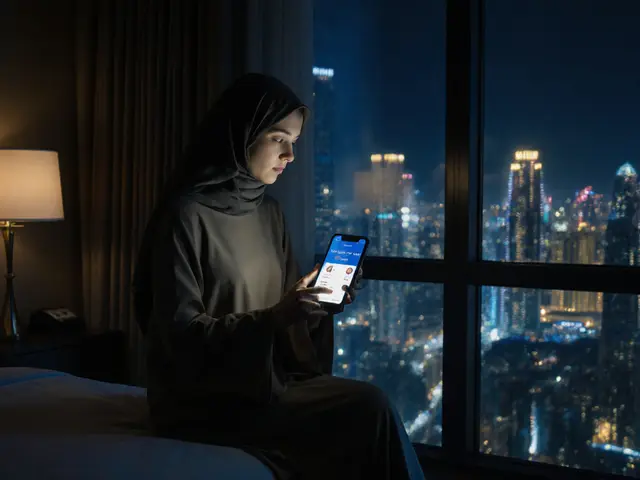
Dubai is one of the most cosmopolitan cities in the world, with over 80% of its population made up of expats. With that comes exposure to different attitudes toward sex. Many young Emiratis now use dating apps, though discreetly. Some couples cohabit before marriage, especially among the educated elite. Social media shows glimpses of more liberal lifestyles, but these are often hidden behind private accounts.
Still, the shift is cautious. Even those who challenge norms often do so quietly. A university student might watch a Western film about relationships, but she won’t post about it. A man might date outside his culture, but he’ll still marry within it. The tension between global influences and traditional values is real, but tradition still holds more weight in daily life.
What Happens When Cultures Collide?
Foreigners often misunderstand Dubai’s approach to sex. Some assume it’s all repression and fear. Others think it’s a place where anything goes because it’s so modern. The truth is more complicated. Dubai isn’t a place where sex is absent-it’s a place where sex is carefully managed.
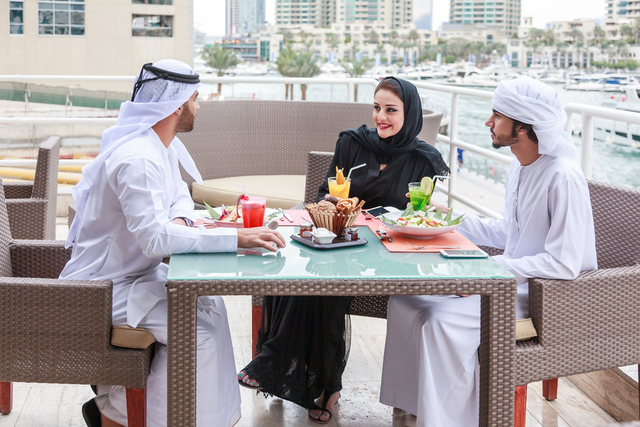
For expats, this means learning the unspoken rules: don’t kiss in public, don’t bring pornography into the country, don’t assume that because you’re in a luxury hotel, you’re exempt from local norms. Even in expat-heavy areas like Dubai Marina, public displays of affection are rare. Most couples wait until they’re alone.
For Emiratis, the challenge is balancing heritage with global connectivity. Many young people want the freedom to explore relationships, but they also don’t want to lose their identity. This is why marriage counseling, once unheard of, is now offered in some clinics. It’s not about encouraging premarital sex-it’s about helping couples navigate intimacy within the boundaries they’ve chosen.

The Role of Privacy
Privacy isn’t just a preference in Dubai-it’s a necessity. Sex is discussed in hushed tones, if at all. Even married couples rarely talk about their sex lives openly, even with close friends. This silence isn’t about shame alone; it’s about protecting dignity. In a culture where reputation matters more than individual expression, privacy becomes a form of respect.
Medical professionals who specialize in sexual health report that many patients wait years before seeking help. Depression, low libido, and relationship issues are often ignored until they become unmanageable. There’s no stigma around treating medical conditions, but when it comes to sexual health, people still hesitate. This is changing slowly, thanks to online resources and discreet telehealth services, but progress is measured in small steps.
What You Won’t See in Tourist Brochures
Dubai’s image as a glittering desert city with luxury malls and rooftop bars hides a deeper reality. Behind the neon lights and five-star hotels, traditional values still govern personal life. You won’t find sex shops, strip clubs, or public nudist beaches-not because the government bans them out of control, but because the culture doesn’t want them.
Even the nightlife scene, which seems wild to outsiders, operates under strict boundaries. Clubs don’t allow dancing between unrelated men and women. Alcohol is served, but not in ways that encourage public intoxication. The goal isn’t to stop people from having fun-it’s to keep fun within the lines drawn by tradition.
Final Thoughts: Tradition as a Living Force
Dubai isn’t stuck in the past. But it also hasn’t abandoned it. The way sex is understood here isn’t about oppression-it’s about meaning. It’s about belonging, about identity, about keeping family and community intact. For many Emiratis, the rules around sex aren’t restrictions. They’re protections.
Visitors who come expecting a Western-style sexual freedom will be disappointed. But those who come with respect for local customs will find a society where intimacy is treated with care, not casualness. Understanding this isn’t about judging Dubai-it’s about seeing it clearly.
Is sex legal in Dubai?
Sex is legal only within marriage in Dubai. All other forms of sexual activity, including premarital and extramarital sex, are illegal under UAE law. Enforcement varies, but violations can lead to fines, deportation, or jail time, especially for foreigners. The law reflects the country’s Islamic values, where sex is viewed as a private, marital duty.
Can foreigners date in Dubai?
Dating isn’t illegal, but public displays of affection are strongly discouraged and can lead to legal trouble. Holding hands or kissing in public can result in police intervention, especially if reported by locals. Many expats date privately, using apps or social circles, but they avoid anything that looks like public romance. Marriage between foreigners is allowed, but it requires legal paperwork and often involves cultural negotiations.
Are condoms available in Dubai?
Yes, condoms are legally available in pharmacies, supermarkets, and clinics without a prescription. They’re sold discreetly, often behind the counter, and staff won’t ask questions. However, their use outside of marriage is culturally frowned upon, even if not actively policed. Many Emirati couples use them for family planning after marriage, but unmarried individuals rarely buy them openly.
Do Emirati women have sexual agency?
Within marriage, Emirati women have full rights to sexual consent and pleasure under Islamic law. However, outside of marriage, societal pressure limits open expression. Many women are educated and financially independent, but they still navigate a culture that prioritizes modesty. Discussions about sexual health are increasing, especially among younger generations, but public advocacy remains rare. Sexual agency is real, but it’s expressed quietly and within boundaries.
Why is there so much secrecy around sex in Dubai?
Secrecy comes from a cultural belief that sexuality is sacred and private-not something for public discussion or entertainment. In Emirati society, family reputation is tied to how members behave, especially women. Open talk about sex is seen as risky, potentially damaging to family honor. This isn’t about ignorance-it’s about protection. Even medical professionals avoid direct questions unless the patient brings it up first.