Living in Dubai as a sex worker isn’t just illegal-it’s isolating. The city’s strict laws, cultural stigma, and economic pressures create a perfect storm for mental health crises among women who work in the underground sex trade. These women aren’t statistics. They’re real people dealing with daily anxiety, depression, and trauma-often without access to therapy, support networks, or even basic safety.
Hidden in Plain Sight
Dubai’s skyline gleams with luxury, but beneath the glitter, a hidden economy thrives. Women from Eastern Europe, Southeast Asia, and North Africa arrive with promises of high-paying jobs-only to find themselves trapped in situations they can’t escape. Many enter through false employment offers, tourist visas, or romantic relationships that turn controlling. Once they start working, they’re cut off from family, friends, and legal protection. If they report abuse, they risk arrest. If they leave, they face deportation or debt bondage.
The Daily Weight of Fear
Every client interaction carries risk. Some men are violent. Others are emotionally abusive, treating women as disposable. Many workers report being called names, forced into acts they didn’t agree to, or filmed without consent. One woman, who asked to remain anonymous, told a local NGO: "I don’t sleep well anymore. Every knock on the door feels like a threat. I check the locks three times before I even take off my coat."
There’s no safety net. Hospitals won’t treat injuries without reporting to police. Therapists won’t take clients without proper documentation. Even friends in the community stay quiet-fear of exposure is too strong. The result? Chronic stress becomes normal. Sleep disorders, panic attacks, and dissociation are common. A 2024 study by a regional human rights group found that 78% of women in Dubai’s informal sex trade showed clinical signs of PTSD.
Isolation as a Weapon
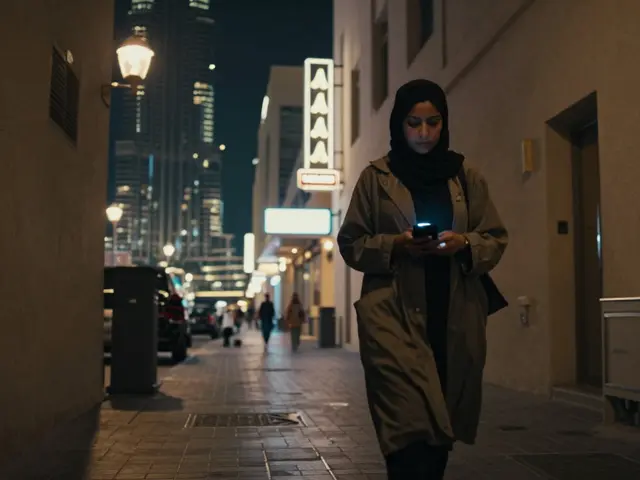
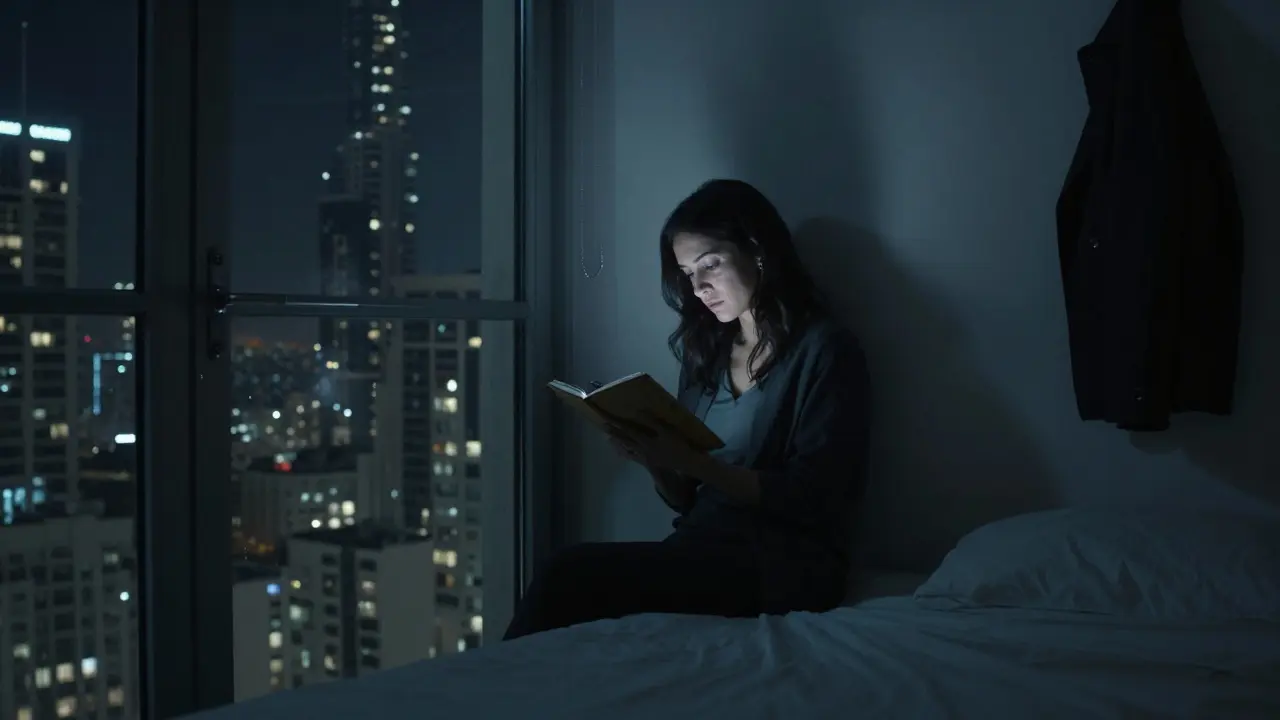
Isolation isn’t accidental-it’s engineered. Clients demand secrecy. Pimps control phones and passports. Landlords evict women who talk to neighbors. Even social media is dangerous; posting a photo can lead to doxxing or blackmail. Many women live alone in small apartments, often moving every few weeks to avoid detection. They eat meals alone. They celebrate birthdays alone. They cry alone.
Without community, trauma doesn’t heal. Human connection is the strongest buffer against mental collapse. But in Dubai, connection is a liability. One woman described how she once tried to bond with another worker over tea. Within days, the woman disappeared. No one knew why. No one dared ask.
The Cost of Silence
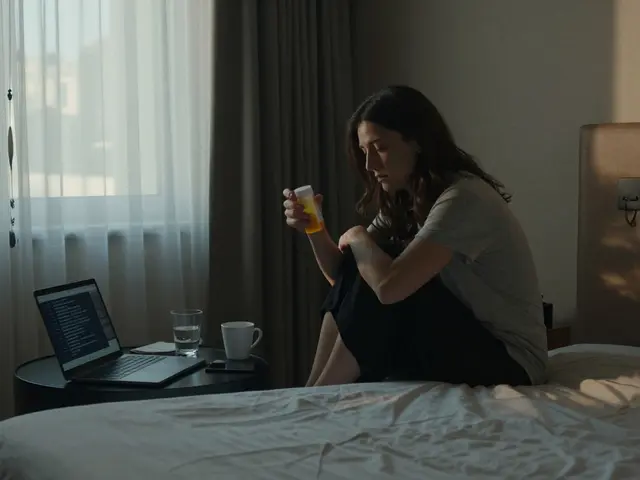
Many women develop coping mechanisms that only make things worse. Some turn to alcohol or pills to numb the pain. Others cut themselves-not as suicide attempts, but as a way to feel something real in a world that treats them as invisible. A few start journaling, but destroy the pages before dawn. One survivor, now in exile, kept a handwritten notebook for three years. When she finally left Dubai, she burned it in a park in Istanbul. "I didn’t want anyone to know what I’d been through," she said. "But I needed to write it down. Otherwise, I’d forget I was still human."
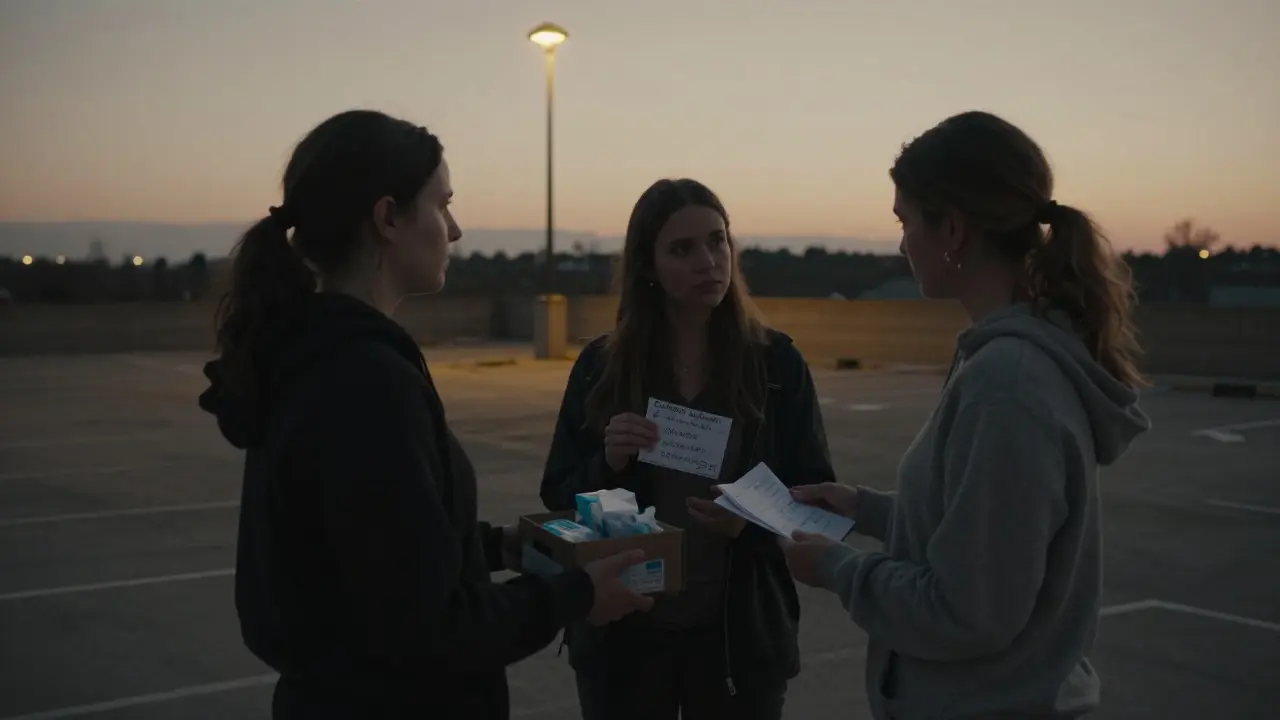
Depression is rampant. Suicidal ideation is common. Yet, there are no public mental health programs for these women. No government outreach. No NGOs with licenses to operate. The few groups that try to help work underground-using encrypted apps, meetups in parking lots, or drop boxes with medicine and crisis hotlines.
Why No One Talks About It
Dubai’s authorities don’t acknowledge the existence of sex work. Official reports call it "human trafficking" or "moral decay," but rarely distinguish between coercion and survival. The media avoids the topic. Even expat communities stay silent-afraid of being seen as complicit or scandalized.
But silence doesn’t erase suffering. It just hides it. The women who work in Dubai’s underground aren’t choosing this life because they want to. Most came because they had no other options-family debt, abusive partners, war, or economic collapse in their home countries. They’re not criminals. They’re survivors.

What Recovery Looks Like
Healing starts when people are seen. When a woman can say, "I was forced into this," and be believed-not arrested. When she can access a therapist who doesn’t report her. When she can find housing, legal aid, or job training without fear.
A few women have escaped and rebuilt their lives-some in Thailand, others in Portugal, a handful in Canada. But they carry scars. One woman now works as a peer counselor for other survivors. She doesn’t use her real name. She doesn’t show her face. But she speaks. "I don’t need sympathy," she says. "I need justice. And I need people to stop pretending this doesn’t happen."
The Bigger Picture
Dubai’s economy thrives on invisibility. It’s built on the labor of undocumented workers, migrant domestics, and women in the sex trade. The city’s wealth depends on people who are legally unprotected and socially erased. The mental health crisis among sex workers isn’t an outlier-it’s a symptom of a system designed to exploit and silence.
Until policies change, until stigma breaks, until services are made accessible, women will keep suffering in silence. No one is coming to rescue them. And that’s the cruelest part: they’re not forgotten because no one knows. They’re forgotten because everyone chooses not to look.
Are call girls in Dubai legally protected?
No. Prostitution is illegal in Dubai under federal law, and sex workers have no legal rights or protections. Even if they are victims of violence, assault, or trafficking, reporting crimes often leads to arrest or deportation. There are no government-run shelters, hotlines, or healthcare programs designed for them.
How do call girls in Dubai get into this line of work?
Many arrive through false job offers-often as nannies, models, or hospitality staff-on tourist or work visas. Others are lured by romantic relationships that turn abusive. Some are trafficked outright. A significant number come from countries with limited economic opportunities, such as Ukraine, the Philippines, or Nigeria. Once they’re in Dubai, their documents are taken, debts are fabricated, and escape becomes nearly impossible.
Do any organizations help sex workers in Dubai?
Officially, no. But a few underground NGOs and volunteer networks operate in secrecy. They use encrypted messaging apps to distribute food, hygiene kits, and crisis info. Some provide emergency contacts for lawyers or medical aid. These groups avoid public recognition because even helping sex workers can be seen as breaking the law. Their work is dangerous, underfunded, and often shut down.
What mental health issues are most common among these women?
Anxiety, depression, PTSD, and dissociative disorders are the most common. Many suffer from chronic insomnia, panic attacks, and emotional numbness. A 2024 survey by a regional human rights group found that 78% met clinical criteria for PTSD. Self-harm and substance use are also widespread as coping mechanisms, since professional therapy is inaccessible.
Why don’t more women leave Dubai?
Leaving isn’t simple. Many are trapped by debt-fake loans for "visa fees," "accommodation," or "training" that they’re told they must repay. Others fear arrest or deportation. Some have children in the country and can’t risk losing custody. A few are physically controlled by pimps who monitor their movements. Even if they escape, they have no papers, no savings, and no support system. The fear of being alone in a foreign country is often worse than staying.