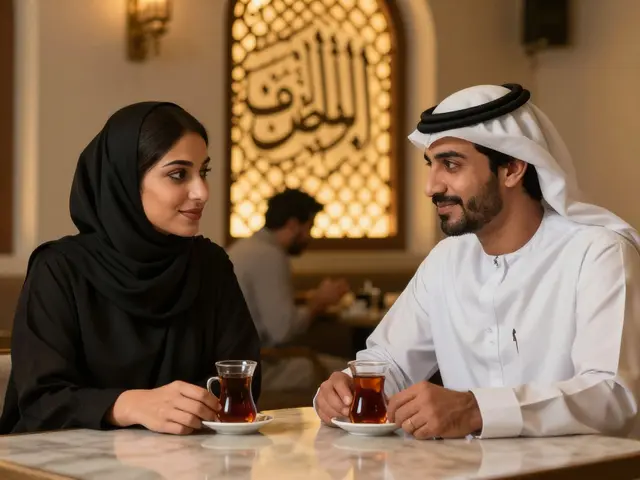
In Dubai, you won’t find sex talked about openly in public. Not in cafes, not at family gatherings, not even in casual conversations among friends. It’s not because people don’t think about it-it’s because saying it out loud carries consequences.
What Happens When You Mention Sex in Public?
Ask a local about sex in Dubai, and you’ll likely get a nervous laugh, a change of subject, or silence. This isn’t just politeness-it’s survival. Public discussion of sex, even in academic or medical contexts, can be flagged as inappropriate under the UAE’s moral codes. In 2023, a university professor in Sharjah was investigated for including human sexuality in a psychology lecture. The charge? Violating public decency laws.
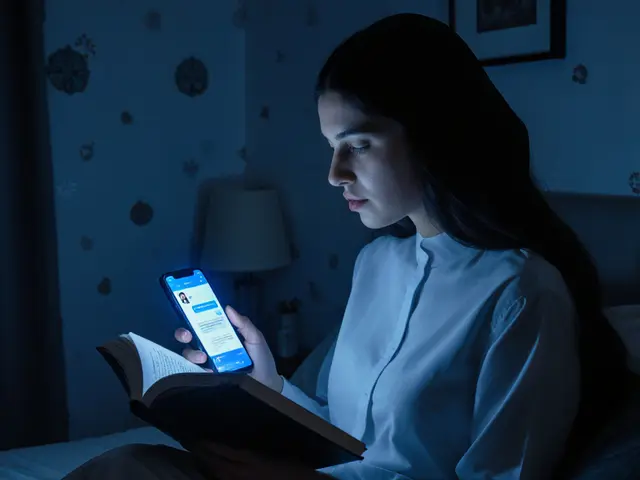
It’s not just about legal risk. Social fallout is real. A woman in her thirties told me she lost her job after a colleague found screenshots of her reading a book about sexual health on her phone. She wasn’t sharing the content-she was researching for her own well-being. But in Dubai, intent doesn’t matter. Perception does.
Why Is Sex So Taboo Here?
The roots go deeper than religion. Yes, Islamic values shape norms, but the stigma is amplified by decades of state-led image-building. Dubai markets itself globally as a safe, modern, luxury destination. Part of that brand means projecting moral purity. The government promotes family-friendly tourism, bans explicit content in media, and enforces strict dress codes in public spaces.
But behind the glossy skyline, real people live with confusion, shame, and isolation. A 2024 survey by the Dubai Health Authority found that 68% of Emiratis aged 18-30 had never received formal sex education. Not because they didn’t want it-because it was never offered. Schools avoid the topic. Parents don’t bring it up. So young people turn to the internet, where misinformation thrives.
The Hidden Cost of Silence
When you silence conversations about sex, you don’t eliminate the issues-you bury them. Rates of sexual dysfunction, untreated STIs, and marital dissatisfaction are rising in the UAE, but few seek help. A therapist in Dubai told me she sees couples who’ve been married for ten years but have never talked about intimacy. One partner assumed the other didn’t want sex. The other thought they were broken.
Women are hit hardest. A woman who asks about contraception might be labeled promiscuous. A man who admits to erectile dysfunction risks being seen as weak. There’s no middle ground. You’re either perfectly chaste or dangerously deviant.
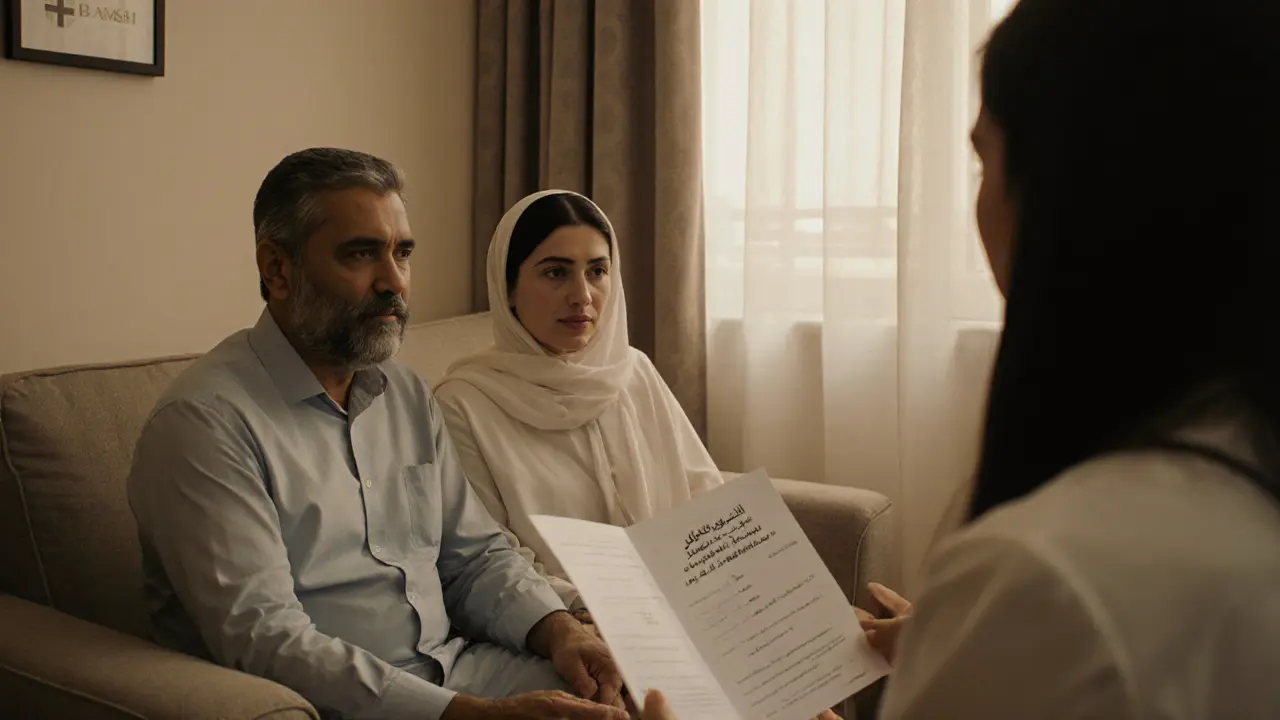
Even medical professionals avoid the topic. In public hospitals, gynecological exams are often rushed. Patients report being asked invasive questions without privacy, then told to “pray for healing.” Private clinics charge high fees, and many can’t afford them. So people suffer in silence.
Who’s Breaking the Silence?
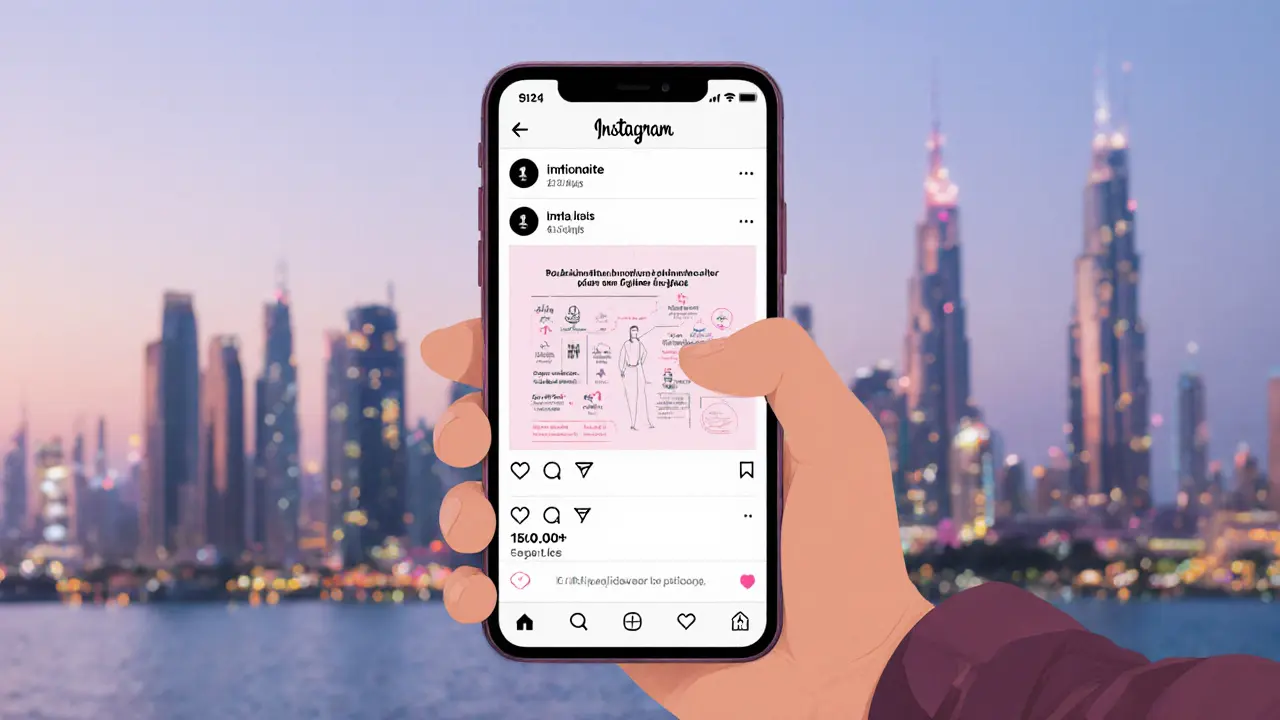
Change is slow, but it’s happening. A growing number of young Emiratis are using encrypted apps to share accurate information. One Instagram account, @DubaiSexEd, has over 120,000 followers-mostly women under 25. They post anonymous stories, infographics on consent, and links to free telehealth services. The account’s creator, a 24-year-old nurse, says her goal isn’t to challenge the law-it’s to save lives.
Some doctors are quietly pushing boundaries. A urologist in Al Barsha started offering free, confidential consultations for couples. He doesn’t advertise. He relies on word-of-mouth. His waiting list is six months long.
Even expats are starting to speak up. A Canadian woman living in Dubai launched a support group for women dealing with postpartum depression and sexual disinterest. They meet in private homes. No names. No photos. Just honesty.
The Gap Between Law and Reality
The law says sex outside marriage is illegal. But everyone knows it happens. Tourists, expats, locals-it’s not a secret. What’s illegal is talking about it. The real crime isn’t the act-it’s the openness.
There’s a disconnect between what the government enforces and what people actually experience. A 2025 study by the Gulf Research Center found that 41% of Emirati men and 37% of Emirati women had sex before marriage. Yet fewer than 5% would admit it to a stranger.
This gap creates a dangerous environment. People don’t know their rights. They don’t know where to get help. They don’t know if their feelings are normal. And because no one talks about it, they think they’re alone.
What Needs to Change
Breaking the stigma doesn’t mean throwing out cultural values. It means adding honesty to tradition. Here’s what’s possible:
- Schools should teach age-appropriate sex education-not as a moral lesson, but as health science.
- Hospitals need private, non-judgmental spaces for reproductive and sexual health questions.
- Media can feature normal conversations about relationships, not just romance or scandal.
- Community leaders can speak up without fear of punishment-because silence isn’t piety. It’s neglect.
Change won’t come from protests or petitions. It will come from quiet acts of courage: a mother answering her daughter’s question honestly, a doctor writing a pamphlet on safe sex, a friend saying, “I’ve been there too.”
What You Can Do
If you live in Dubai and you’re tired of the silence, you don’t need to start a revolution. Start small.
- Read a book on sexual health and keep it on your shelf-not hidden in a drawer.
- Ask your doctor a question you’ve been afraid to ask.
- Don’t laugh when someone mentions intimacy. Just listen.
- If you’re a parent, answer your child’s questions without shame.
One honest conversation can undo years of stigma. Not for everyone. Not right away. But for someone, it might be the first step out of isolation.
Why This Matters Beyond Dubai
Dubai’s silence isn’t unique. Many conservative societies suppress talk about sex. But Dubai’s global image makes its silence louder. The world sees a glittering city-and assumes it’s free. It’s not. The freedom exists for tourists, not residents.
When a society refuses to talk about sex, it doesn’t protect morality. It protects control. And control always comes at a cost: mental health, relationships, autonomy, dignity.
Breaking the silence isn’t about rebellion. It’s about humanity.
Is sex illegal in Dubai?
Sex outside of marriage is illegal under UAE law, regardless of whether the individuals are locals or tourists. Enforcement varies, but public displays of affection, cohabitation without marriage, or discussing sex openly can lead to legal consequences, including fines or deportation for expats.
Why don’t people talk about sex in Dubai?
Talk about sex is suppressed due to a mix of religious norms, strict public decency laws, and a state-driven image of moral purity. Fear of social judgment, professional repercussions, or legal trouble keeps most people silent-even when they’re struggling privately.
Is there any sex education in Dubai schools?
Formal sex education is not part of the public school curriculum. Topics like reproduction, consent, or contraception are rarely addressed. Some private international schools offer limited health classes, but they often avoid discussing sexual activity directly.
Can expats get help with sexual health in Dubai?
Yes, but access is uneven. Private clinics offer confidential services, but they’re expensive. Public hospitals may lack privacy and trained staff. Many expats rely on telehealth services from abroad or use encrypted apps to connect with anonymous counselors locally.
Are there any safe spaces to discuss sex in Dubai?
There are no public forums, but underground networks exist. Private support groups, encrypted social media accounts, and discreet therapy sessions offer safe spaces. These are not advertised, and participation requires trust. They’re growing, but still small.