Leaving the call girl industry in Dubai isn’t a single moment-it’s a slow unraveling. For women who’ve worked in the city’s underground escort scene, the decision to walk away doesn’t come with a fanfare or a farewell party. It comes with silence, fear, and the weight of a life built on secrecy.
They don’t leave because they want to-they leave because they have to
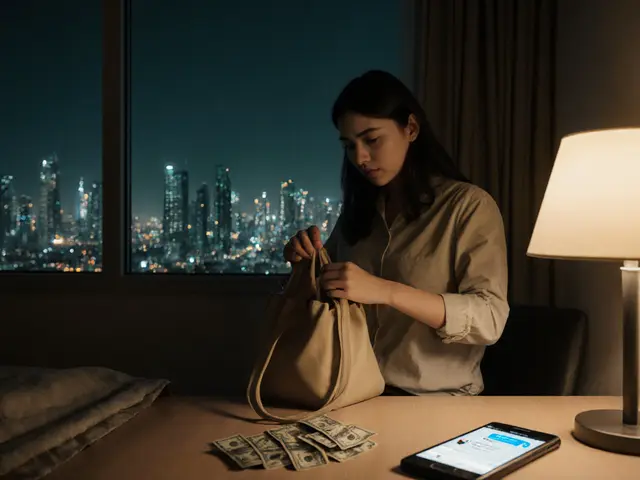
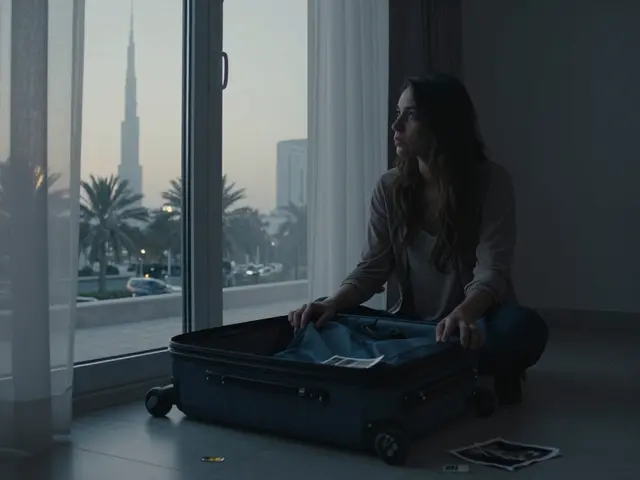
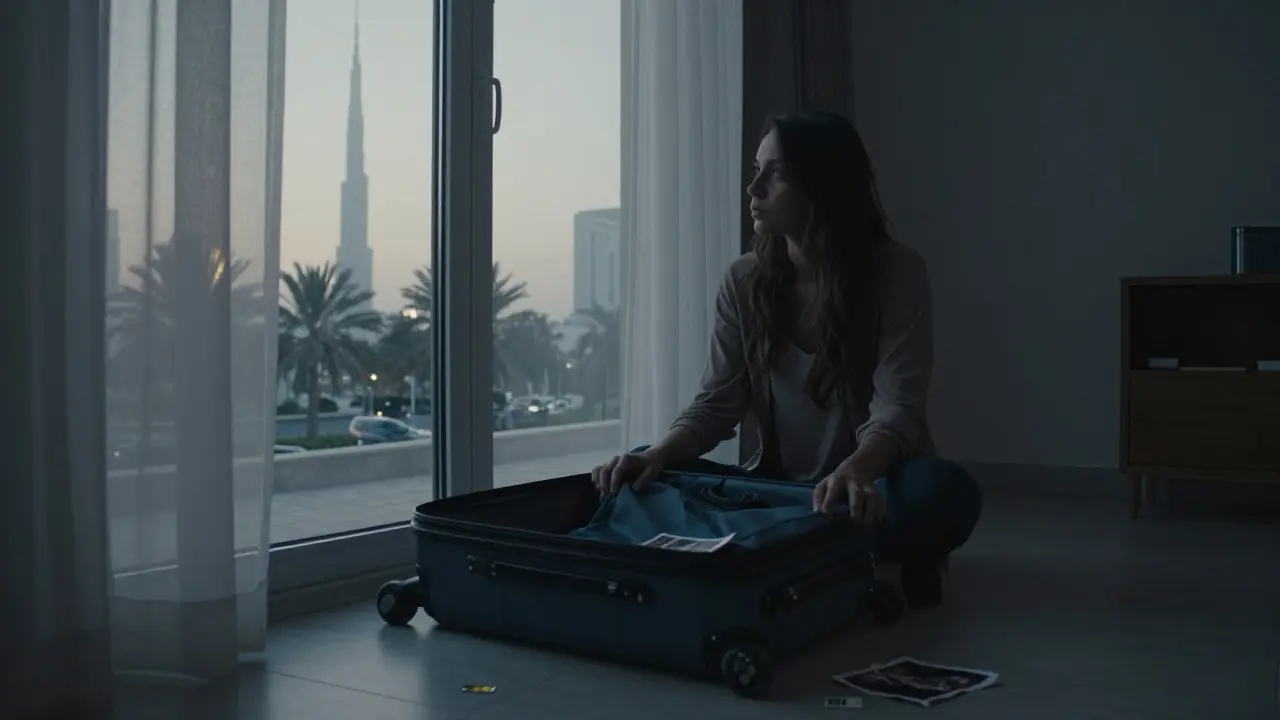
Most women who exit the industry in Dubai don’t do it because they found a better job or fell in love. They leave because they got scared. One woman, who asked to be called Laila, told me she stopped working after a client recorded her without consent and threatened to share the video with her family. She didn’t report it. In Dubai, reporting a crime like that means risking your visa, your job, your freedom. So she packed her bags, canceled her SIM card, and vanished. Another, Mariam, left after a health scare. She’d been seeing clients for three years without regular testing. When she finally went to a private clinic and found out she had chlamydia, she broke down. Not because of the diagnosis-but because she realized no one was checking on her. No employer, no safety net, no one asking if she was okay. The system doesn’t protect these women. It uses them. And when they’re done, it lets them disappear.The financial trap
Money keeps people in. It’s the first thing they tell you when you ask why they didn’t quit sooner. A 2023 survey by a Dubai-based NGO working with at-risk women found that 78% of those who left the industry had saved less than 5,000 AED (about $1,360 USD) over the entire time they worked. Most earned between 8,000 and 15,000 AED per month, but almost all of it went to rent, fees to agencies, bribes to avoid police attention, and payments to fix problems-like a lost phone, a broken car, or a client who refused to pay. One woman, Aisha, worked for two years and saved 18,000 AED. She used it to pay off a debt to a former manager who threatened to expose her to her parents if she didn’t pay back what she’d "borrowed." She didn’t borrow it. He took it. But she paid it anyway. When they leave, they don’t walk into a job fair. They walk into debt, shame, and uncertainty.The social death
In Dubai, reputation is everything. Families don’t just disown women who worked in the industry-they erase them. Nour, a 29-year-old who worked for 18 months before leaving, says her brother refused to speak to her for six months after he found out. Her parents didn’t call her for a year. When she finally saw them, her mother cried and said, "You were always so good. How did this happen?" Nour didn’t answer. She knew the truth: she took the job because her father lost his job, her mother was sick, and the rent was due. Social media makes it worse. Clients sometimes post about their "experiences" online. Women are tagged, identified, mocked. Even if they never used their real names, someone always knows. A former client might recognize a photo, a voice, a tattoo. And then the whispers start. Many women change their names, move cities, cut ties. Some leave the country entirely. One woman I spoke to moved to Thailand and now works in a hotel. She says she’s happier-but she still doesn’t answer calls from unknown numbers.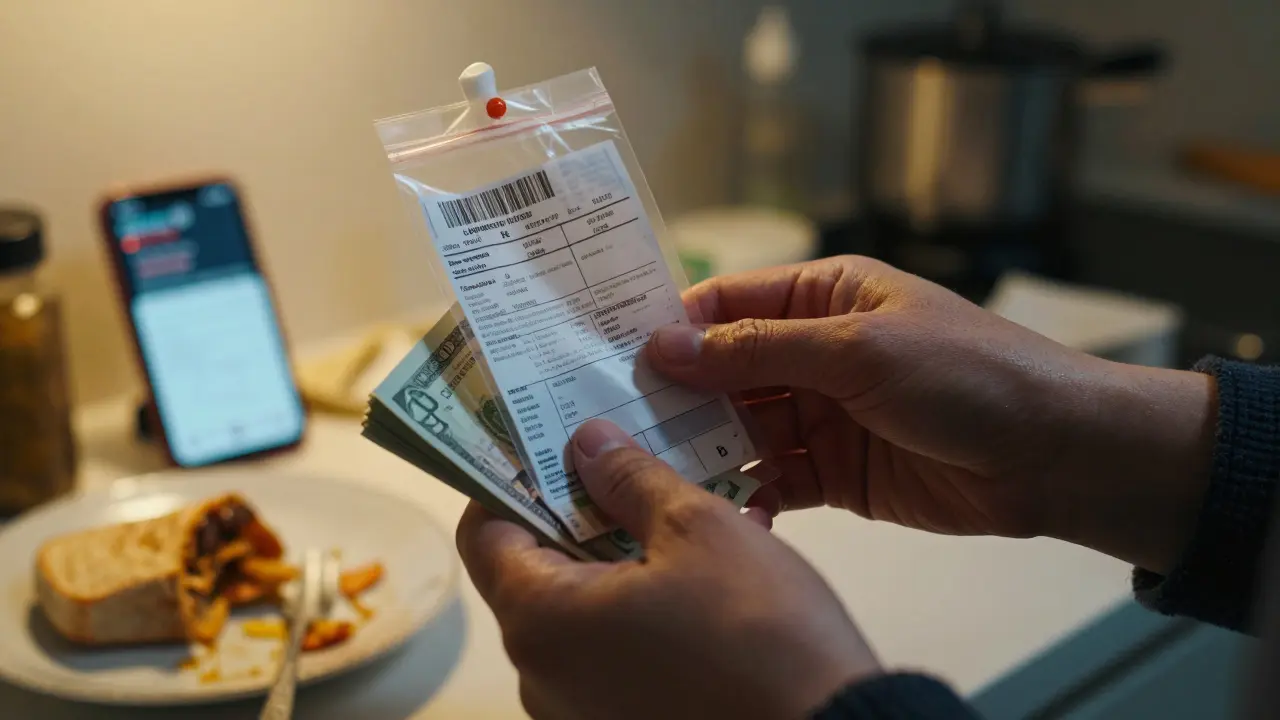
The legal minefield
Prostitution is illegal in Dubai. That’s not a rumor. It’s written into the law. But enforcement is selective. Police target the vulnerable, not the powerful. Women who work independently are at higher risk of arrest than those tied to agencies. Agencies often pay off officials. Women don’t have that protection. If you’re caught, you’re deported. No trial. No lawyer. Just a flight back home. Even after leaving, the threat lingers. One woman told me she was pulled over by police for a routine check two years after quitting. They asked for her ID, then asked if she’d ever worked as an escort. She denied it. They let her go. But she didn’t sleep for a week. The law doesn’t care if you’re trying to rebuild. It only cares if you’re still in the system.What happens after you leave?
There are no exit programs. No government help. No counseling funded by the state. A few NGOs, like the Dubai Women’s Support Network, offer emergency shelter and legal advice-but only to women who are willing to be identified. Most won’t risk it. Some women find work in retail, cleaning, or hospitality. Others start small businesses online-selling makeup, clothes, or handmade jewelry. One woman, Fatima, runs a TikTok account selling hijabs. She never mentions her past. She doesn’t need to. Her followers don’t care. They just like the designs. But the emotional scars don’t fade with a new job. Depression, anxiety, and PTSD are common. Many women don’t seek help because therapy is expensive, and in their communities, mental health is still seen as weakness. One woman, who now works as a translator, says she still wakes up in a cold sweat when she hears a knock on the door. "I used to know the sound of a client’s car," she told me. "Now I hear every car like it’s coming for me."
Why no one talks about this
Dubai’s economy thrives on silence. The city markets itself as a luxury destination, a place of glamour and order. The underground world of sex work doesn’t fit that image. Tourism boards don’t mention it. News outlets don’t report it. Even the women who’ve left don’t speak out. They’ve been trained to believe their story isn’t worth telling. Or worse-they believe they deserve to be forgotten. But the truth is, these women are part of Dubai too. They paid taxes. They rented apartments. They bought groceries. They raised children. They were invisible not because they didn’t matter-but because the system made sure no one saw them.What needs to change
There’s no quick fix. But real change starts with three things:- Decriminalization of sex work-not legalization, which still traps women in exploitative systems, but decriminalization. That means treating it as a labor issue, not a crime.
- Safe exit programs-funded by the government or international aid-that offer housing, counseling, job training, and legal support without forcing women to name names or prove their "worthiness."
- Public awareness-not sensational stories, but real voices. Women who’ve left should be able to tell their stories without fear.
They’re still here
The women who left? They’re in Dubai’s suburbs, in quiet apartments, in cafes far from the glitter of the Burj Khalifa. They’re learning to sleep through the night. They’re learning to trust again. They’re learning to say their own names out loud. They didn’t disappear. They were never meant to be seen. But now, some of them are starting to speak.Is it legal to work as a call girl in Dubai?
No, prostitution and sex work are illegal in Dubai under UAE federal law. Even if someone works independently or through an agency, they are breaking the law. Enforcement is uneven-some clients and agencies pay off officials, while independent workers face arrest, detention, and deportation if caught. There are no legal protections for sex workers in the system.
How much money do call girls in Dubai typically earn?
Earnings vary widely. Independent workers may make between 8,000 and 15,000 AED per month, while those tied to agencies often take home 40-60% less after fees. Many report spending most of their income on rent, transportation, bribes, medical costs, and paying off debts to managers. Savings are rare-most leave with less than 5,000 AED saved, even after years of work.
Can women who leave the industry get help from the government?
No government programs exist to help women exit sex work in Dubai. Some NGOs, like the Dubai Women’s Support Network, offer emergency shelter and legal aid-but only to those willing to identify themselves, which many fear due to deportation risks or family stigma. There is no counseling, job training, or housing assistance provided by state agencies.
Why don’t more women report abuse or exploitation?
Reporting abuse often means risking deportation, losing their visa, or being arrested themselves. Many women are undocumented or on tourist visas, making them vulnerable. Even if they have legal status, they fear public exposure, family shame, or retaliation from clients or managers. The system is designed to keep them silent.
Do women who leave ever return to the industry?
Yes. Financial pressure, lack of job opportunities, isolation, and trauma can push women back. Some return because they can’t find work that pays enough. Others return because they feel they have no other options. The lack of support systems makes re-entry easier than true exit.
What are the biggest challenges after leaving?
The biggest challenges are financial instability, social isolation, mental health struggles like depression and PTSD, fear of being discovered, and the absence of legal or emotional support. Many women change their names, move cities, or leave the country entirely to start over. Rebuilding trust-with others and themselves-is the hardest part.