Sex is everywhere in Dubai - in movies, in music, in private homes, in the quiet conversations between couples who’ve lived here for years. But you’ll never hear it spoken about openly. The silence isn’t just cultural - it’s enforced. And that silence is hurting people.
What Actually Happens When Sex Is Silenced
In Dubai, public discussion of sex is banned. Not just pornography - even talking about sexual health, consent, or intimacy in public forums can lead to legal trouble. The law doesn’t just target explicit content; it targets language. A couple sharing advice about birth control on a social media group got reported in 2023. Their posts were deleted. Their accounts suspended. No arrest, but no second chance either.
This isn’t about morality. It’s about control. When you silence conversations about sex, you don’t stop people from having it - you just make them do it in the dark. And in the dark, mistakes happen. Misunderstandings turn into trauma. Lack of education turns into unwanted pregnancies. Fear turns into shame.
There’s a reason Dubai’s teen pregnancy rates are rising faster than any other Gulf city. Not because people are reckless. Because they’re uninformed. And no one’s allowed to teach them.
The Hidden Cost of Silence
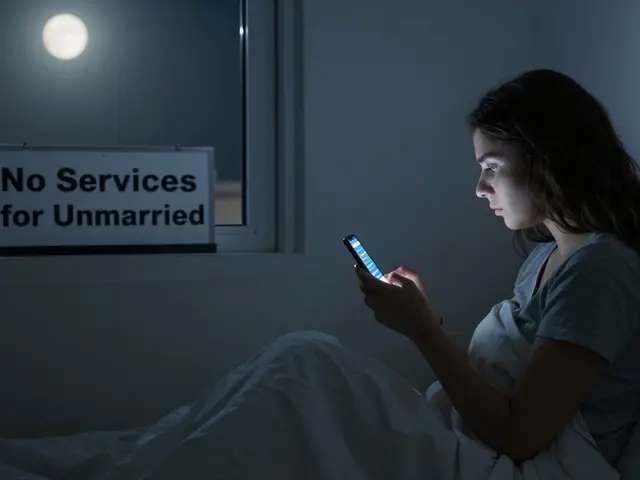
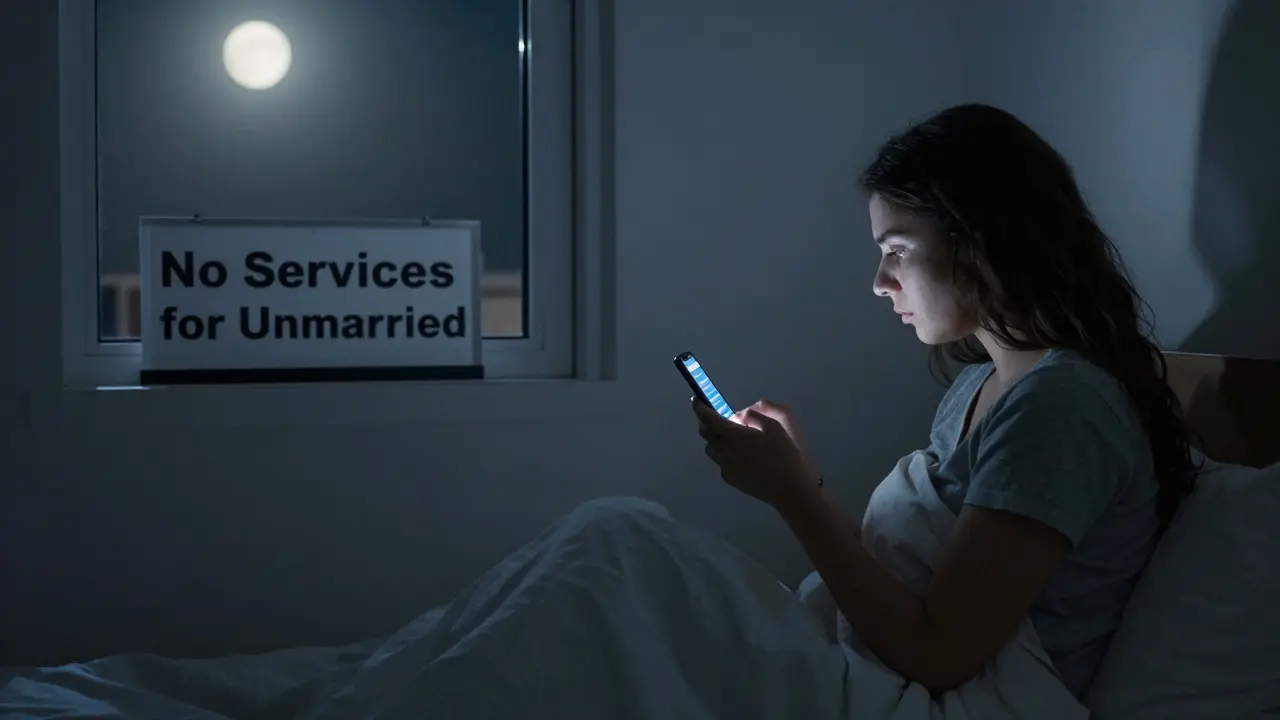
Imagine a young woman in Dubai who just started her first job. She’s 22. She’s in a relationship. She wants to use contraception. She goes to a clinic. The nurse asks her if she’s married. When she says no, the nurse refuses to give her pills. "It’s against our policy," she says. The woman leaves confused, embarrassed, and now afraid to ask again.
This isn’t an exception. It’s standard procedure. Medical professionals in Dubai are trained to assume sex only happens within marriage. Anything else is treated as a violation - not of law, but of social order. So women avoid clinics. Men avoid testing. STIs go undiagnosed. HIV rates are climbing quietly, and no one talks about it.
Even couples who are married face barriers. Counseling for sexual dysfunction? Rare. Sex therapists? Almost nonexistent. Most doctors won’t even bring up the topic unless the patient does - and even then, they often shut it down with a polite, "That’s private."
And what about LGBTQ+ people? They’re invisible in official discourse. No support groups. No safe spaces. No public health outreach. Just silence. That silence doesn’t protect them - it isolates them. And isolation leads to mental health crises.

How Other Cultures Handle It Differently
Compare this to Thailand. In Bangkok, sex education starts in middle school. Public health campaigns use humor, music, and local celebrities to talk about condoms, consent, and communication. The government doesn’t pretend people aren’t having sex - it helps them have it safely.
Or look at Japan. Tokyo has one of the highest rates of sexual activity among young adults in Asia. But they also have one of the lowest rates of teen pregnancy. Why? Because they talk about it. Schools teach it. Clinics offer it. Media normalizes it.
Dubai could do the same. It has the infrastructure. The hospitals. The doctors. The tech-savvy population. All it’s missing is the willingness to speak.
Why Change Is Possible - and Already Starting
Don’t mistake silence for compliance. Thousands of people in Dubai are already breaking the taboo - quietly.
There’s a WhatsApp group of 3,000 expat women sharing advice on birth control methods that actually work here. There’s a YouTube channel run by a Dubai-based doctor who talks about sexual health using cartoon avatars. It has 120,000 subscribers. No one’s shut it down - yet.
And then there’s the younger generation. Born into smartphones, raised on global content, they don’t believe sex should be a secret. They’re asking questions. They’re researching. They’re sharing resources through encrypted apps. They’re not waiting for permission.
In 2024, a university in Dubai quietly added a module on sexual health to its health sciences program. It wasn’t advertised. No press release. But students showed up. And they stayed. The professor told me: "They didn’t want to be told what to do. They wanted to know why.""

What Needs to Change
Change doesn’t mean opening brothels. It doesn’t mean legalizing pornography. It means allowing people to talk.
- Healthcare providers need training to talk about sex without judgment - regardless of marital status.
- Schools need comprehensive sex education that includes consent, pleasure, and safety - not just abstinence.
- Media needs space to normalize healthy relationships - not just portray them as taboo.
- Laws need to shift from punishing conversation to protecting people who seek information.
There’s a reason the UAE’s 2023 National Health Survey showed that 72% of young adults felt "unprepared" for sexual relationships. That’s not a moral failure. It’s a systemic failure. And it’s fixable.
What You Can Do
If you live in Dubai - or care about people who do - here’s how you can help:
- Stop whispering. If someone asks you about sex, answer honestly. You don’t have to be an expert. Just say, "I don’t know, but let’s find out together."
- Support organizations that offer discreet sexual health resources - even if they’re online.
- Don’t report someone for talking. Silence is the weapon. Break it.
- Use your voice. Write. Post. Share. Even anonymously. Someone out there is waiting to hear it.
Sex isn’t the problem. Shame is.
And shame has no place in a city that prides itself on progress.
Is sex illegal in Dubai?
Sex itself isn’t illegal - but only within marriage. Outside of marriage, any sexual activity is technically against the law under Article 356 of the UAE Penal Code. However, enforcement is inconsistent. The real issue isn’t prosecution - it’s the silence around sex that prevents people from accessing information, healthcare, and support.
Can you get birth control in Dubai without being married?
Legally, yes - but practically, it’s complicated. Pharmacies sell condoms without question. Oral contraceptives and IUDs require a prescription, and many doctors refuse to issue them to unmarried women. Some clinics will provide them if you lie about your marital status. Others won’t. This inconsistency forces people into risky decisions: skipping care, using unreliable methods, or avoiding clinics altogether.
Why don’t more people speak up about sex in Dubai?
Fear. Not just of legal consequences, but of social ruin. A single conversation about sex can lead to being labeled "immoral," losing a job, being cut off from family, or facing deportation for expats. Many choose silence over risk - even when they know silence is harming them.
Are there any safe spaces for sexual health education in Dubai?
There are no official public spaces, but underground networks exist. Online forums, encrypted messaging apps, and discreet clinics offer support. Organizations like "HealthHub Dubai" and "The Right to Know" provide anonymous counseling and resources. These aren’t advertised - they’re passed along by word of mouth. They’re the only lifelines many people have.
How does this affect mental health in Dubai?
Studies from Dubai-based mental health clinics show a direct link between sexual silence and anxiety, depression, and relationship breakdowns. People who can’t talk about sex often feel isolated, guilty, or ashamed. Young women report feeling "broken" for wanting pleasure. Men report feeling pressured to perform without ever learning how. This isn’t a cultural quirk - it’s a public health crisis.