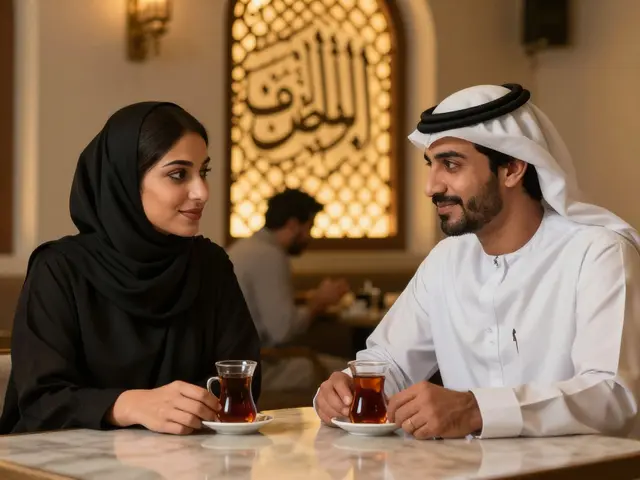
Dubai isn’t just a city of skyscrapers and luxury malls. It’s also a place where ancient traditions clash with global trends-especially when it comes to sex. For decades, Dubai maintained strict social codes rooted in Islamic law and Gulf Arab values. Public displays of affection, premarital sex, and even talking openly about sexuality were taboo. But over the last 15 years, something has shifted. Western media, tourism, expat communities, and social platforms have quietly reshaped how younger Emiratis and long-term residents think about intimacy, relationships, and personal freedom.
The Old Rules
Before the 2010s, Dubai’s approach to sex was clear: keep it private, keep it legal, and keep it within marriage. The UAE’s penal code criminalized extramarital sex, cohabitation by unmarried couples, and even public kissing. Enforcement varied-some tourists got warnings, others faced deportation or jail. Locals faced even harsher consequences, including family shame or legal action. Social pressure was just as strong as the law. Dating was rare. Conversations about sex were limited to marriage counseling or religious guidance.
That didn’t mean people didn’t have relationships. It just meant they hid them. Many Emirati couples waited until after marriage to be physically intimate. Others, especially expats, lived in parallel worlds-observing local rules in public, but acting differently behind closed doors.
The Western Wave
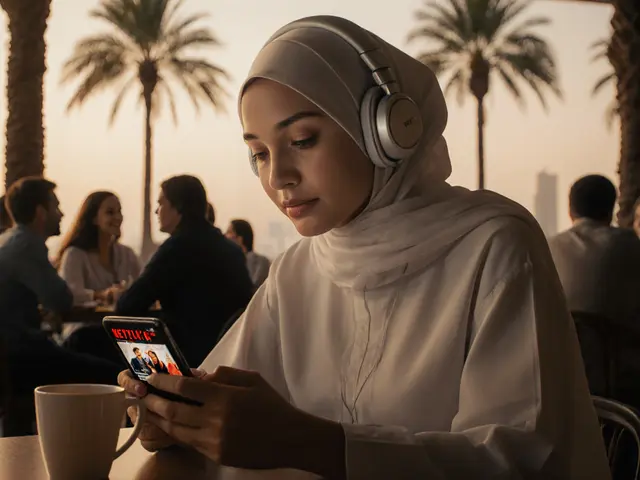
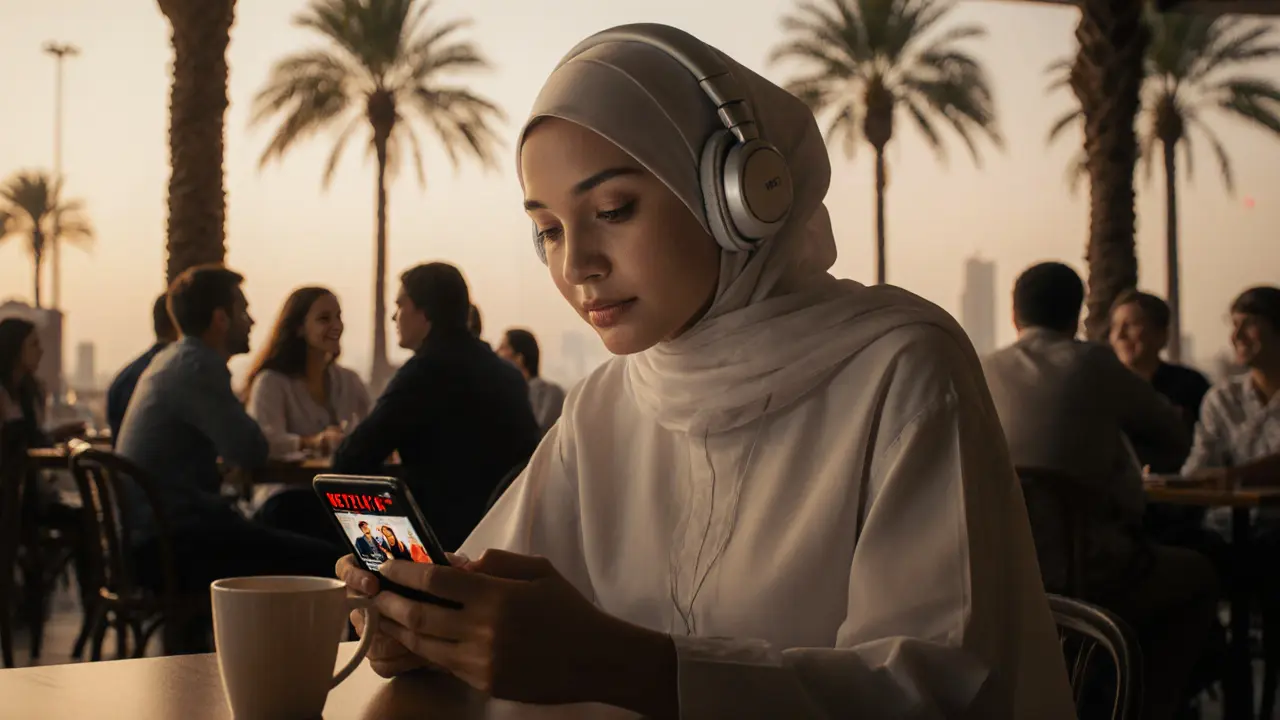
Western influence didn’t come through protests or political movements. It came through screens. Netflix. TikTok. Instagram. YouTube. Western TV shows like Sex and the City, Euphoria, and even romantic comedies showed a version of life where dating, casual relationships, and open discussions about desire were normal. For young Emiratis raised on local TV and strict school curriculums, these shows weren’t just entertainment-they were windows into a different way of living.
Expats made up nearly 90% of Dubai’s population by 2025. Many came from countries where sex education was part of school, where cohabitation was common, and where talking about sexual health wasn’t shameful. They brought those norms with them. Restaurants started hosting date nights. Dating apps like Tinder and Bumble saw a 300% surge in usage among locals between 2018 and 2024, according to internal data from regional tech firms. Some Emirati women began using pseudonyms to join online dating groups, discreetly exploring connections outside arranged marriage frameworks.
What Changed in Practice
The shift wasn’t about rebellion-it was about normalization. Young Emiratis started asking questions their parents never could answer. “Is it wrong to kiss someone before marriage?” “Can I live with my partner if we’re not married?” “Why is it okay for tourists to hold hands but not me?”
By 2023, Dubai’s Ministry of Justice quietly revised its enforcement guidelines. While the law still technically bans premarital sex, prosecutors began prioritizing cases involving coercion, public indecency, or exploitation. Many first-time offenses by locals or long-term residents were dismissed with counseling instead of jail. That didn’t mean the law changed-it meant the system started recognizing reality.
Sex education, once banned in public schools, began appearing in private international schools. Some Emirati parents even hired tutors to teach their teens about consent, contraception, and emotional boundaries-something they never learned growing up.

The Double-Edged Sword
This cultural shift isn’t clean. It’s messy, painful, and polarizing.
On one side, young people feel more empowered. Women report feeling less pressure to marry young just to be sexually active. Men talk more openly about mental health and sexual anxiety. Online forums for LGBTQ+ expats and queer Emiratis-though still underground-have grown in size and support. Sexual health clinics in Dubai now see a 45% increase in young adult patients since 2020, many seeking STI testing or birth control for the first time.
On the other side, families are fractured. Some parents disown children who date outside cultural norms. Others report their daughters being pressured into marriage after being caught in a relationship. Social media has amplified the tension: viral videos of Emirati couples being arrested for public affection draw outrage and support in equal measure.
And then there’s the exploitation. Western tourists sometimes treat Dubai as a playground for casual sex, assuming the rules don’t apply to them. That fuels backlash. Local men are labeled as “Westernized sellouts.” Women who date foreigners are called “gold diggers” or “loose.” The double standard is sharp: foreign men can date freely; Emirati women face stigma.
Who’s Really Changing?
It’s easy to blame Western culture. But the real change is coming from within. Emirati youth aren’t copying Hollywood-they’re adapting. They’re blending Islamic values with modern ideas about autonomy and dignity. Many still pray five times a day. Many still respect their families. But they also believe love shouldn’t be criminalized, and that their bodies aren’t public property.
Some religious scholars have started speaking out. In 2024, Sheikh Ahmed Al-Mansoori, a respected Dubai-based cleric, gave a sermon titled “Love Is Not Sin.” He didn’t endorse premarital sex, but he urged communities to stop shaming young people and instead guide them with compassion. That speech went viral in Arabic. Thousands of young people messaged him thanking him for speaking up.
What’s Next?
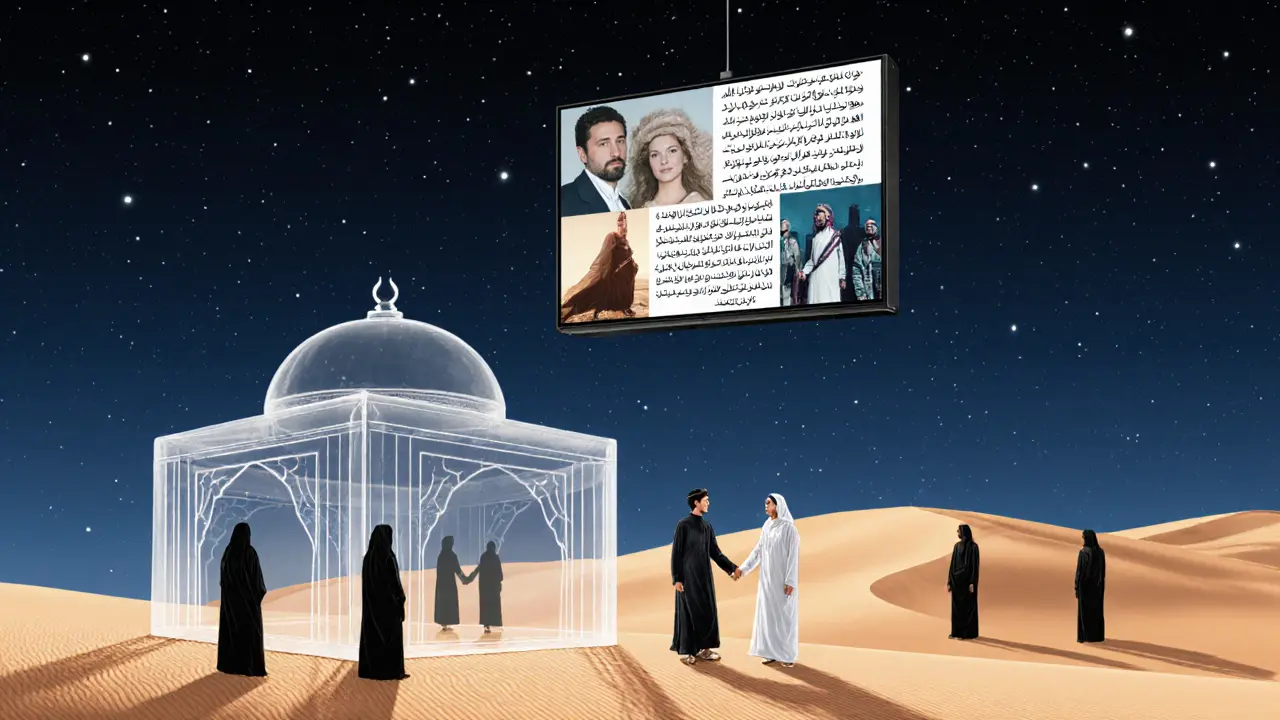
Dubai isn’t becoming Los Angeles. It won’t legalize same-sex marriage or turn into a hedonistic party city. But it’s becoming more complex. The government knows it can’t control what people watch on their phones. So it’s shifting tactics-from punishment to management.
More public health campaigns are launching, focused on safe sex and mental wellness. Private clinics now offer confidential counseling for couples struggling with cultural expectations. Some universities are piloting voluntary workshops on healthy relationships.
The real question isn’t whether Western culture is changing Dubai. It’s whether Dubai can find its own path between tradition and freedom. That path won’t be perfect. It’ll be messy. But it’s being written by young Emiratis-not by tourists or Netflix.
The Quiet Revolution
Change in Dubai doesn’t happen in protests. It happens in whispered conversations between sisters. In late-night DMs. In a mother finally asking her daughter, “Are you okay?” instead of “Who are you seeing?”
The influence of Western culture didn’t break Dubai’s values. It forced them to evolve. And that’s not a threat-it’s a sign of life.
Is sex legal in Dubai?
Sex is only legal within marriage under UAE law. Extramarital sex, cohabitation by unmarried couples, and public displays of affection can lead to legal consequences, including fines, deportation, or jail. However, enforcement has become more flexible since 2020, especially for long-term residents and first-time offenses. Prosecutors now often prioritize cases involving coercion, exploitation, or public disruption over consensual private behavior.
Are dating apps popular in Dubai?
Yes. Dating apps like Tinder, Bumble, and Hinge have seen explosive growth in Dubai since 2020. Usage among Emiratis increased by over 300% between 2018 and 2024. Many users, especially women, use pseudonyms or private profiles to avoid social stigma. While the apps are popular among expats, a growing number of locals are using them to explore relationships outside traditional arranged marriage systems.
Can tourists be arrested for kissing in public in Dubai?
Yes. Public displays of affection, including kissing or hugging, are considered indecent under UAE law and can lead to arrest, fines, or deportation-even for tourists. While some tourists get away with light touches or holding hands, a kiss or prolonged embrace can trigger police intervention. Local authorities often enforce these rules more strictly near religious sites, government buildings, and family-oriented areas.
Is sex education taught in Dubai schools?
No, not in public schools. The national curriculum still avoids explicit sex education, focusing instead on moral and religious values. However, many international private schools in Dubai-attended by both expats and Emiratis-include comprehensive lessons on consent, contraception, and healthy relationships. Some Emirati families now hire private tutors to fill this gap, especially as their children grow older and face real-world pressures.
Are LGBTQ+ relationships accepted in Dubai?
No. Same-sex relationships are illegal in the UAE and can lead to imprisonment or deportation. Public expression of LGBTQ+ identity is extremely risky. However, underground communities exist, especially among expats and some young Emiratis. Online groups and private gatherings provide support, but members use extreme caution. There are no legal protections, and no public Pride events. The government does not recognize or support LGBTQ+ rights.
Why are Western influences affecting Dubai more than other Gulf cities?
Dubai has always been more open to global influence than other Gulf cities. It’s a major tourism and business hub with a population that’s nearly 90% expatriate. It hosts global events, international media, and Western brands. Unlike Saudi Arabia or Kuwait, Dubai never fully closed its doors to foreign culture. This exposure, combined with high internet penetration and young demographics, made it the most receptive to Western ideas about relationships and sexuality.
Is there a generational divide on sex in Dubai?
Absolutely. People over 40 generally uphold traditional views shaped by religion and tribal norms. They see Western influence as a threat to family values. Younger Emiratis, especially those born after 1995, are more likely to support personal freedom, consent, and emotional connection over rigid rules. Many still respect their families but believe love and intimacy shouldn’t be criminalized. This divide is causing tension in homes, workplaces, and even mosques.