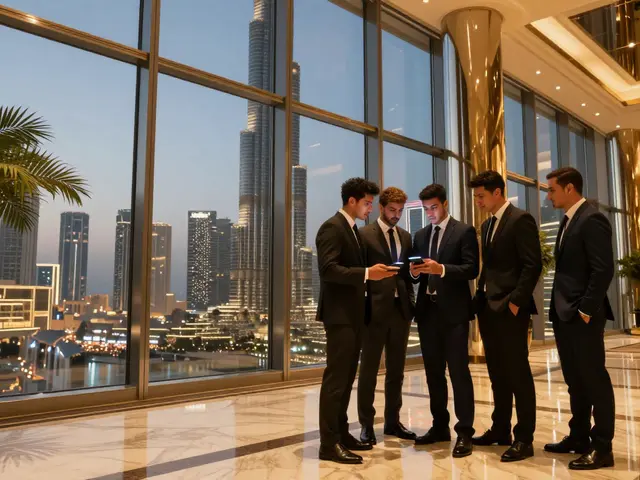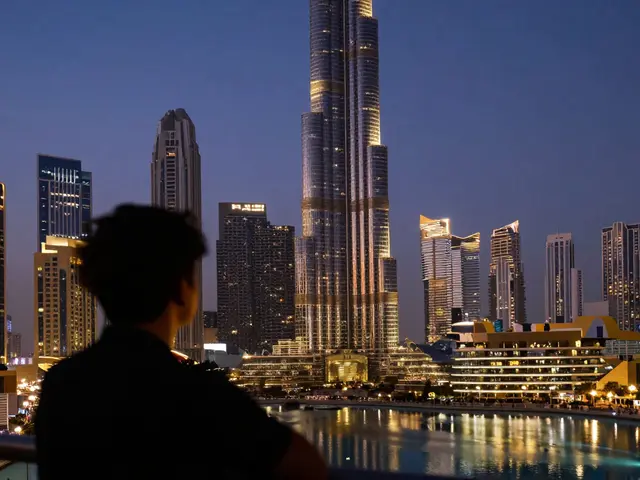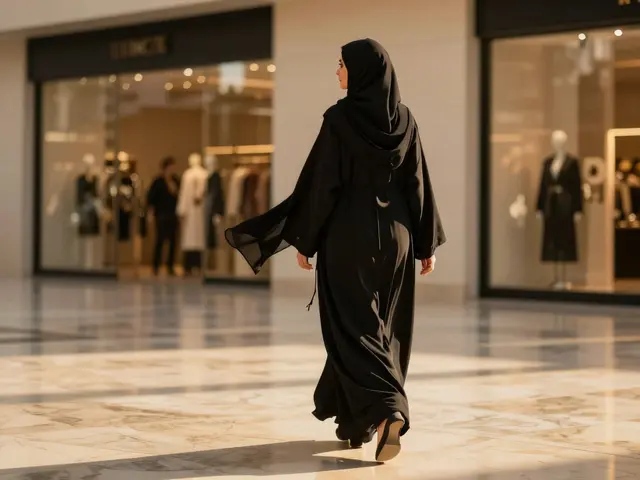
When people think of Dubai, a global hub for luxury and modern living, they often imagine endless possibilities. The city shines with gold and glass, drawing visitors from every corner of the globe. There is a rumor floating around online about certain services becoming more common here. Specifically, searches for "Dubai massage" often lead travelers down a rabbit hole of conflicting information. It feels like a contradiction. On one hand, you have a city known for strict regulations and conservative values. On the other, there is this persistent myth about hidden availability of adult-oriented services. Why does this search term trend so frequently, and what is actually happening on the ground?
The core reason for this surge in search interest isn't necessarily about availability. It is about perception. Dubai markets itself as a playground for the ultra-wealthy. When tourists arrive, they expect exclusivity. They want experiences that feel private and tailored. The wellness industry has exploded here in recent years. High-end hotels now offer comprehensive relaxation packages. Some travelers, unfortunately, confuse this premium attention with access to illicit services. The desire for something "extra" drives the curiosity. It is a mix of boredom, adventure-seeking, and a misunderstanding of local boundaries.
The Rise of Luxury Wellness Culture
You have to look at the legitimate side first to understand the confusion. The Spa Industry, a booming sector focused on health and relaxation in the UAE has grown massively since 2020. Post-pandemic, travelers crave recovery. Five-star resorts in places like Palm Jumeirah have invested millions in facilities. These aren't just rooms with oil rubs; they are full medical-grade relaxation centers. They employ certified therapists. The ambiance is top-tier. Sometimes, the discretion provided by these venues is mistaken for permissiveness regarding other services. Clients receive undivided attention, which fuels speculation.
This infrastructure creates an environment where privacy is paramount. Hotels go to great lengths to ensure guests feel secure. This level of service sometimes gets misinterpreted by those looking for gray-area activities. They see the secrecy and assume it protects behavior outside the norm. It does not. The same security that protects your private relaxation time also monitors for violations. The staff are trained to spot irregularities. If a guest requests something that crosses the line, the response is swift.
Legal Boundaries and Consequences
Let's be clear about the rules. Under United Arab Emirates law, solicitation and public indecency carry heavy penalties. There is no legal grey area for prostitution. While some travelers believe they can navigate the system using money, they are wrong. The UAE Penal Code, the legal framework governing criminal acts treats these offenses seriously. Fines reach into the thousands of dirhams. Deportation is almost guaranteed. More concerning is the possibility of imprisonment. This isn't a theoretical risk; cases are recorded regularly involving foreign nationals who misunderstood local norms.
Why do tourists ignore these signs? Often, they rely on outdated advice. Internet forums often recycle stories from ten or fifteen years ago. Enforcement strategies change. Back in the day, certain areas were less monitored. Today, surveillance technology covers the city extensively. License plate recognition and digital tracking mean anonymity is hard to come by. The belief that you can operate under the radar is a dangerous miscalculation. The authorities prioritize the country's reputation, and cracking down on illicit services is part of that strategy.

Tourist Psychology and Search Behavior
There is a psychological component to why people search for these terms. It stems from the thrill-seeking nature of travel. When people are away from home, their inhibitions often lower. They view the destination as a place where normal rules don't apply. Dubai looks futuristic enough to seem detached from traditional moral codes. This creates a cognitive dissonance. Visitors know the country is conservative religiously, but the nightlife scenes in clubs like White Rabbit suggest a different vibe. They try to reconcile the clubbing freedom with bedroom fantasies. This mismatch drives the traffic to search engines.
Furthermore, the terminology gets mixed up. Terms like "happy endings" are often used in global tourism chats, regardless of legality. In Dubai, any massage is professional. If a therapist offers anything beyond a standard Swedish or deep tissue treatment, it is a violation of health department regulations. The government licenses spas strictly. Inspections happen often. A complaint can shut down a business permanently. No licensed establishment wants to lose its revenue stream over one incident. So, the real "service" doesn't exist in the way tourists imagine.
Risks for the Uninformed Traveler
If a traveler pursues these rumors, they open themselves to significant danger beyond just fines. Scammers target tourists who are searching for discreet meetings. These are not genuine professionals. They are setups designed to exploit vulnerability. Blackmail becomes a tool when things go wrong. Since the act itself is illegal, victims are often afraid to call the police. Criminals use this fear to extort money repeatedly. The power dynamic shifts immediately. What starts as a curiosity ends with financial ruin. It is a classic trap found in many major cities, but particularly acute in places where the law is rigid.
| Feature | Licensed Spa | Unregulated Service |
|---|---|---|
| Legal Status | Fully Legal | Criminal Offense |
| Health Standards | Mandatory Checks | No Verification |
| Security Risk | Low | Very High |
| Pricing | Transparent | Negotiated/Risky |
The table above illustrates the stark difference. It is vital to understand that safety isn't just about physical harm. It's about legal standing. Staying within the bounds of licensed venues guarantees protection. Venturing outside that perimeter removes all safety nets. Tourists who prioritize cost over safety often end up paying the highest price eventually.
The Future of Tourism Regulation
As we move through 2026, the regulatory environment continues to tighten. Data collection capabilities improve yearly. Governments monitor visa usage patterns closely. If a visitor enters a pattern consistent with soliciting illegal services, flags get raised. This data integration helps prevent issues before they happen. It is not just about catching people; it is about deterrence. The message to the world is clear: enjoy the luxury, respect the laws. Any deviation brings severe consequences. Tour boards actively promote ethical travel to maintain the country's standing as a premier international business and leisure destination.
Hotels also play a massive role in self-regulation. They conduct background checks on contractors. They train front-desk staff to identify suspicious inquiries. The goal is to protect both the brand and the guest. By filtering out requests for illicit activities early, they reduce liability. This proactive stance contributes to the overall sense of order in the city. Guests appreciate the peace of mind that comes with knowing a venue follows the law.
Alternative Experiences for Relaxation
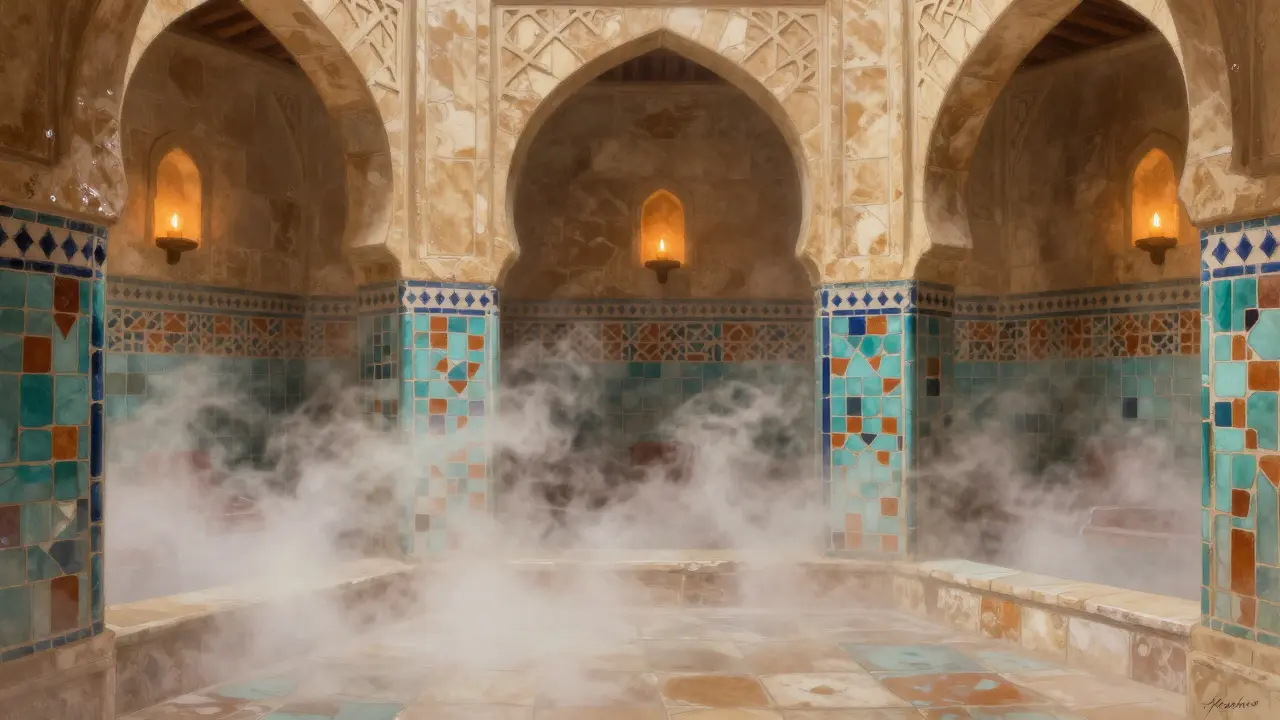
For those looking for genuine relaxation, there are plenty of legal options. Traditional Arabic Hammam experiences are deeply rooted in culture. They offer cleansing rituals without crossing lines. Many expatriates prefer this authentic approach. You get history, community, and total stress relief. It fulfills the desire for indulgence without the baggage of risk. The experience is memorable and shareable. Families and couples visit these spaces openly. It adds to the richness of the trip. You walk away feeling restored, not anxious about potential raids.
Wellness tourism is shifting globally toward holistic health. Mental clarity is as valued as physical rest. Therapies include hydro-massage and cryotherapy. These services are documented and insured. If anything goes wrong, you have recourse. In unlicensed settings, you have nothing. Investing in proven health benefits ensures long-term value. Your vacation memories should be positive ones, free from legal headaches.
Is it legal to receive adult massages in Dubai?
No. Soliciting or engaging in sexual services, including implied "sex massages," is illegal under UAE law. Only licensed therapeutic massages are permitted in registered spas and hotels.
What happens if a tourist gets caught soliciting?
Consequences typically involve immediate arrest, hefty fines, potential jail time, and mandatory deportation. A criminal record may be issued affecting future travel.
Are hotel spas safe for tourists?
Yes, licensed hotel spas follow strict health regulations. They provide certified therapies. Always verify the licensing if booking outside major chains.
Why do search results show adult services despite laws?
Search results often reflect user queries and scams targeting vulnerable tourists. The internet does not always reflect local legal realities.
Can I bring personal therapists with me?
Unlicensed individuals performing medical or therapeutic acts can face charges for practicing without a license. Stick to established venues.
The conversation around these topics is likely to evolve. As technology tracks behavior, privacy changes shape. Tourists must adapt. Knowing the rules is part of the preparation. Enjoy the city on its own terms. The rewards are plentiful enough without risking freedom. Safety first ensures the trip remains a highlight rather than a nightmare.